McKell Building
Service
Environmental Design
Scope
Masterplanning
Signage strategy
User journeys
Signage & wayfinding design
Placemaking
Tender & construction documentation
Construction documentation
Implementation and defect reporting

The challenge
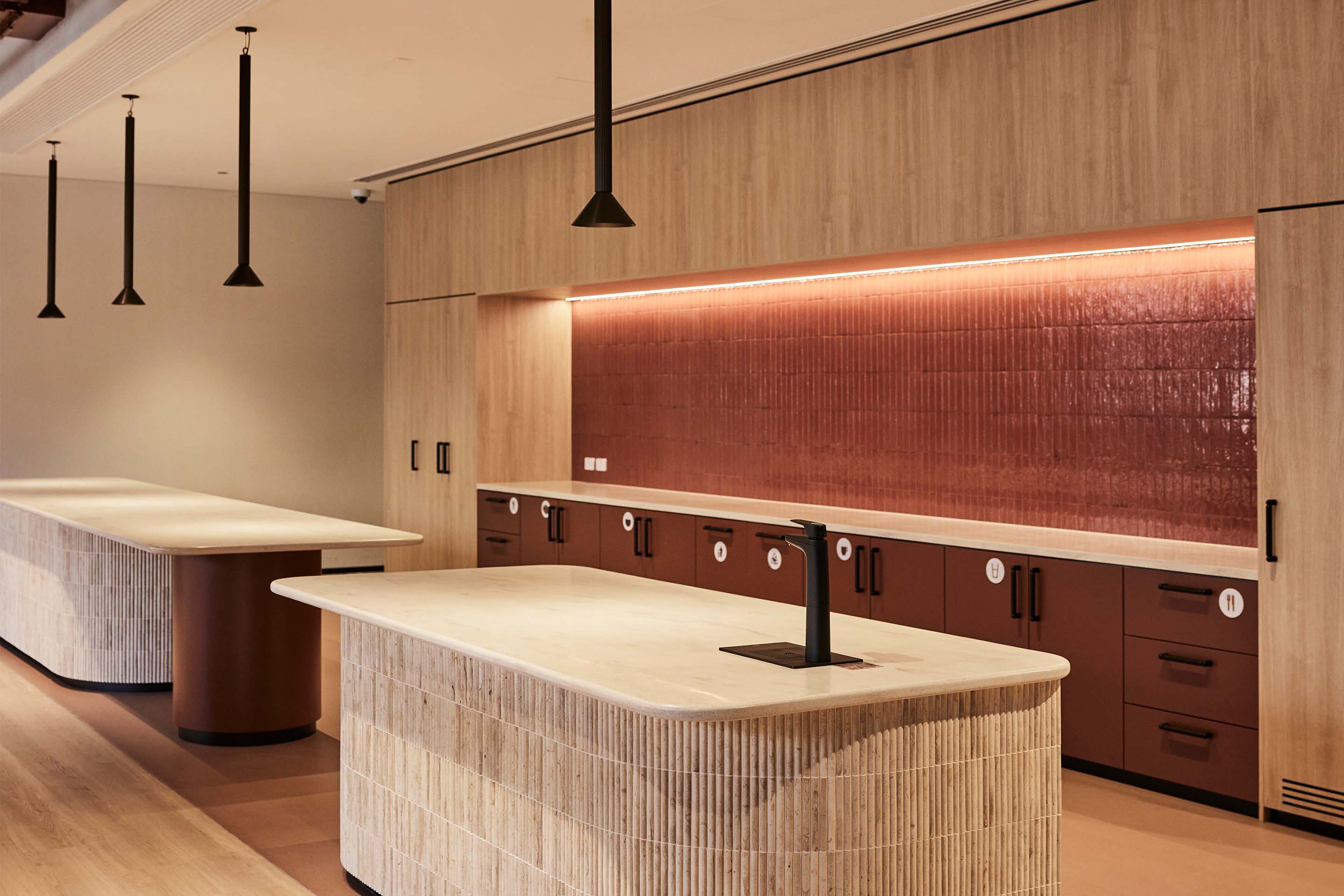
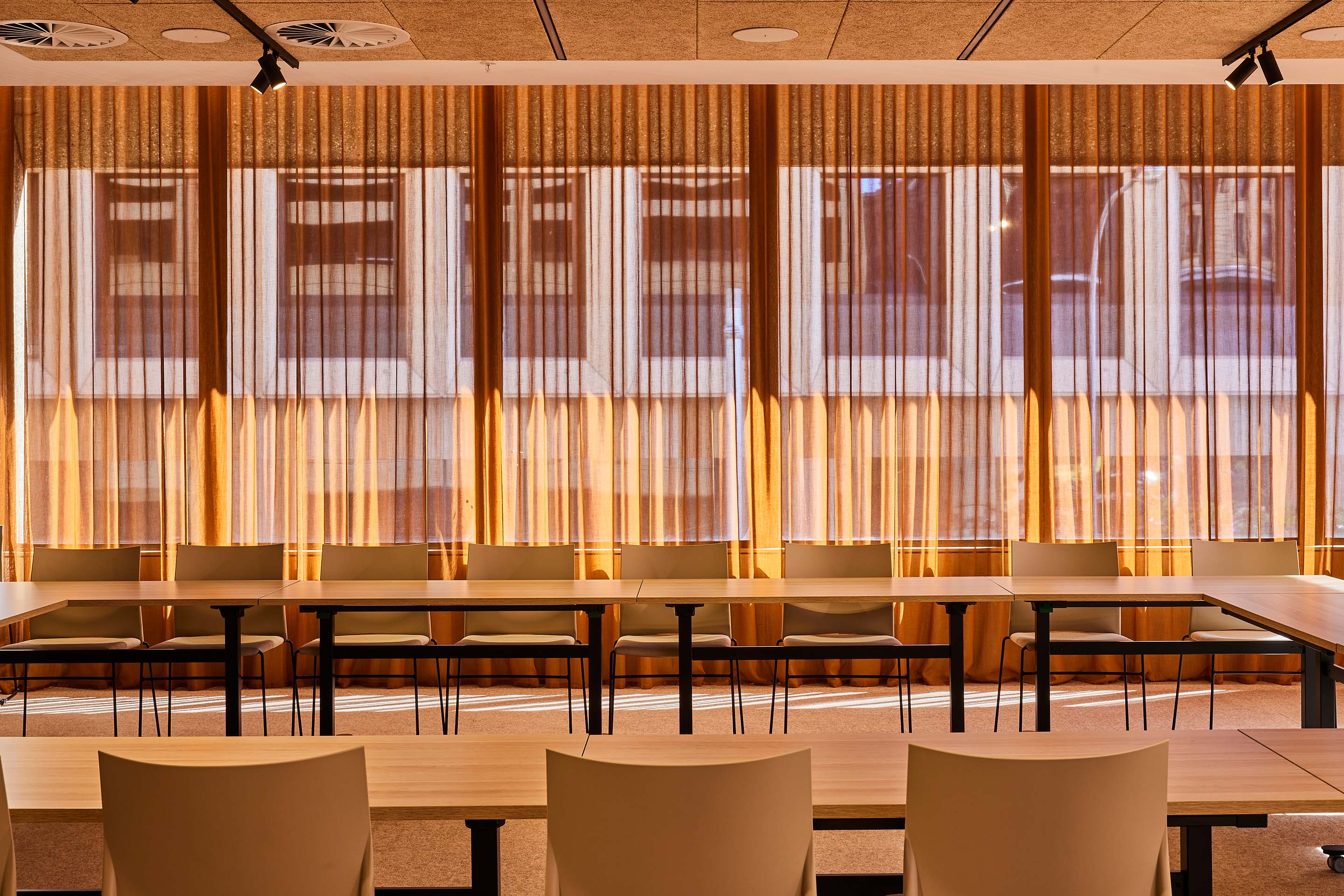
The transformation of Level 4 of the McKell Building called for more than a typical workplace upgrade. The ambition was to reimagine an underutilised, characterful brutalist interior into a flexible, event-ready environment for the Department of Customer Service.
This meant navigating a complex balance. Retaining the integrity and weight of the original architecture, while introducing clarity, usability and warmth. At the same time, the space needed to support multiple modes of use, from day-to-day workplace functions through to events, without relying on traditional office planning.
For us, the challenge centred on how environmental design could bring legibility and cohesion to a rich and layered interior, guiding people intuitively through a space that was deliberately non-linear and adaptable.


The solution
We approached the project through a comprehensive environmental design strategy, beginning with masterplanning and user journey mapping to understand how people would move through and occupy the space.
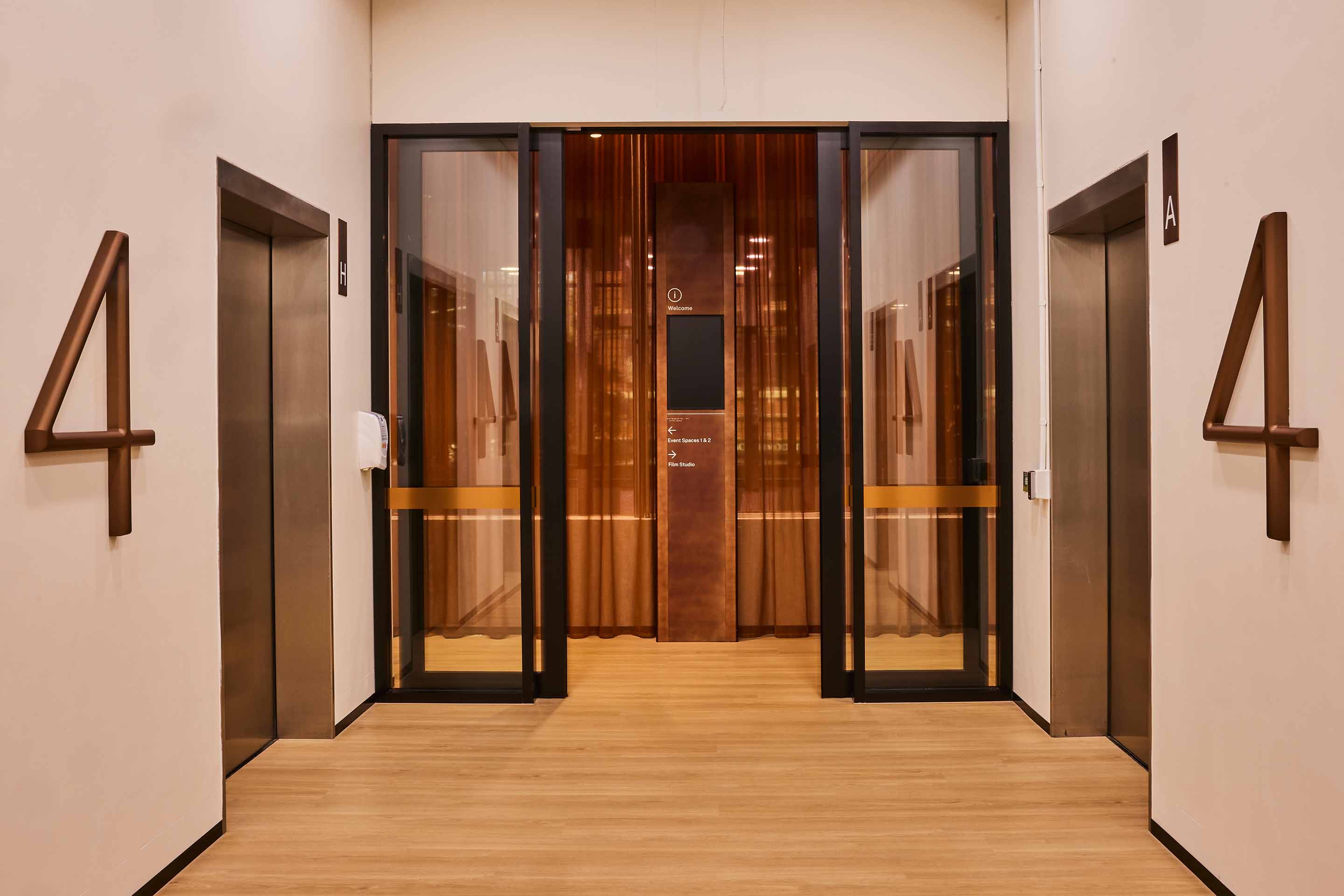
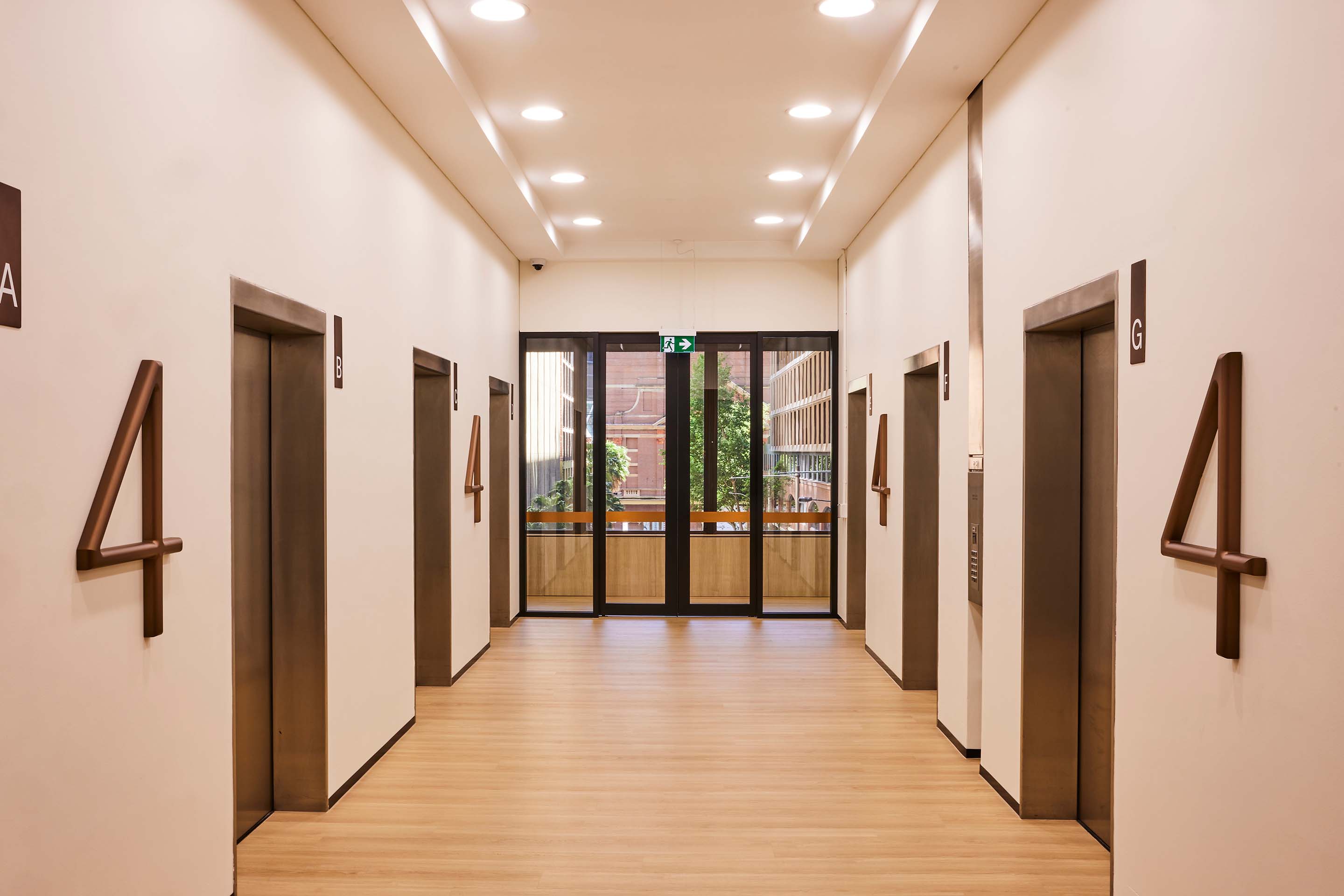
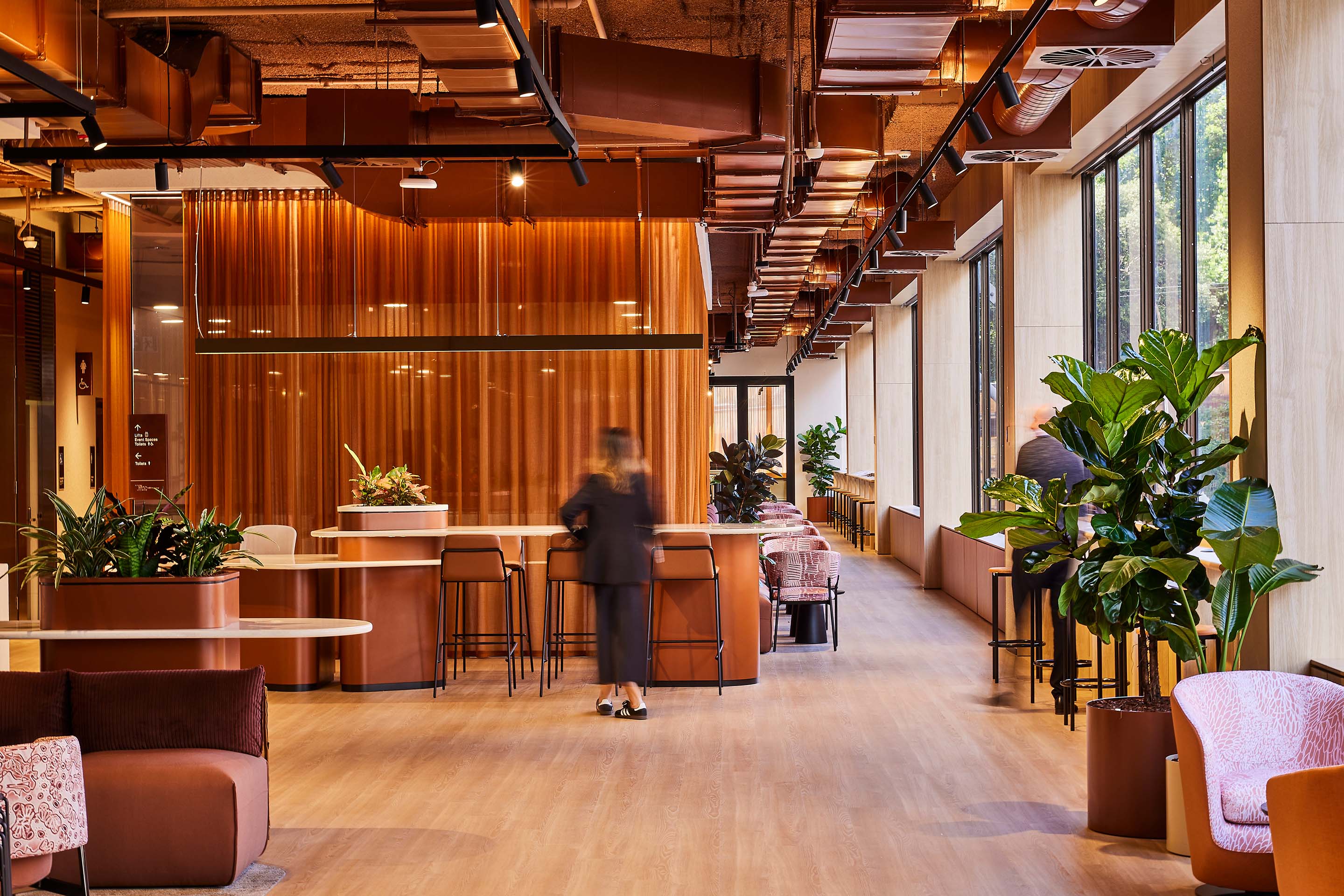
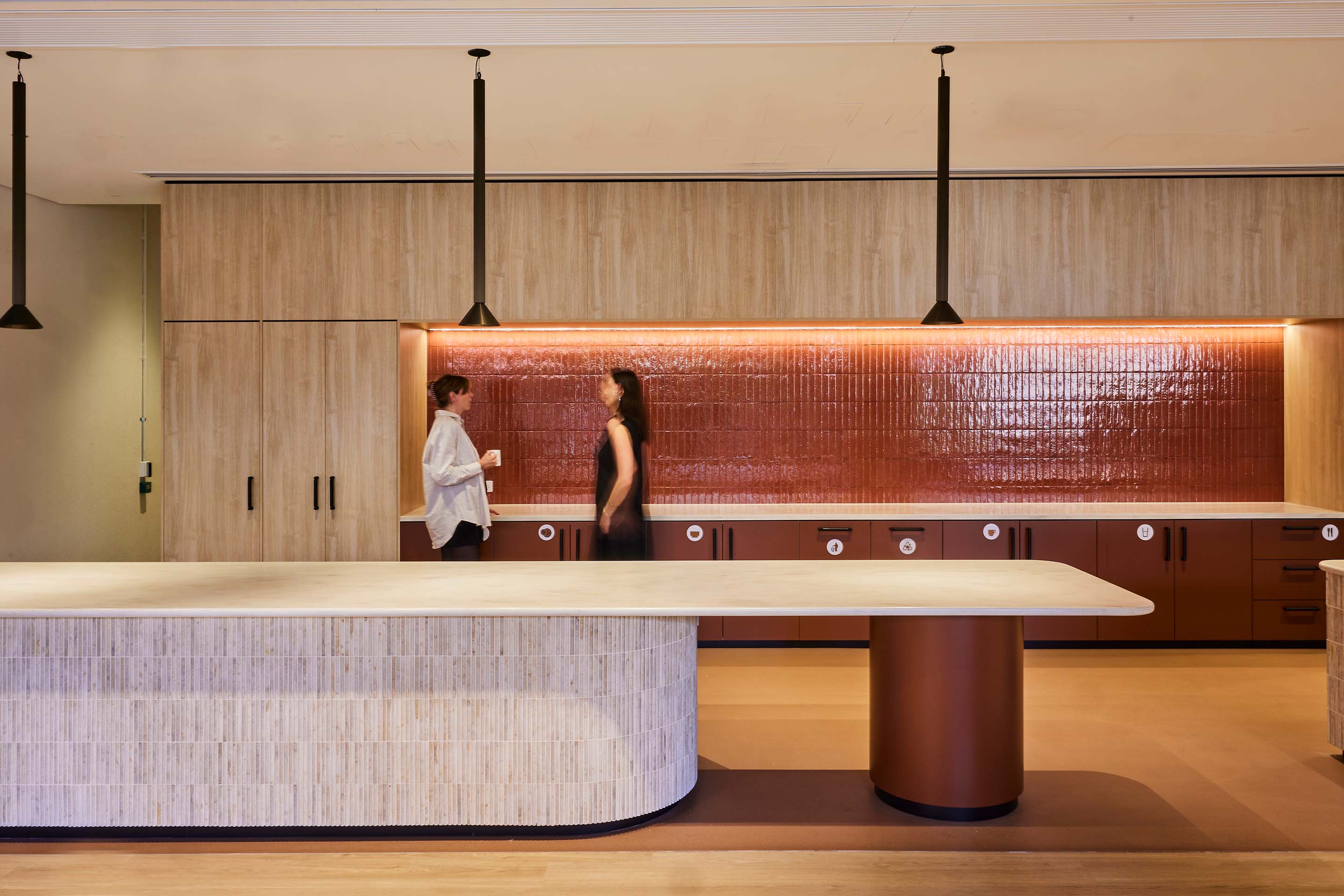
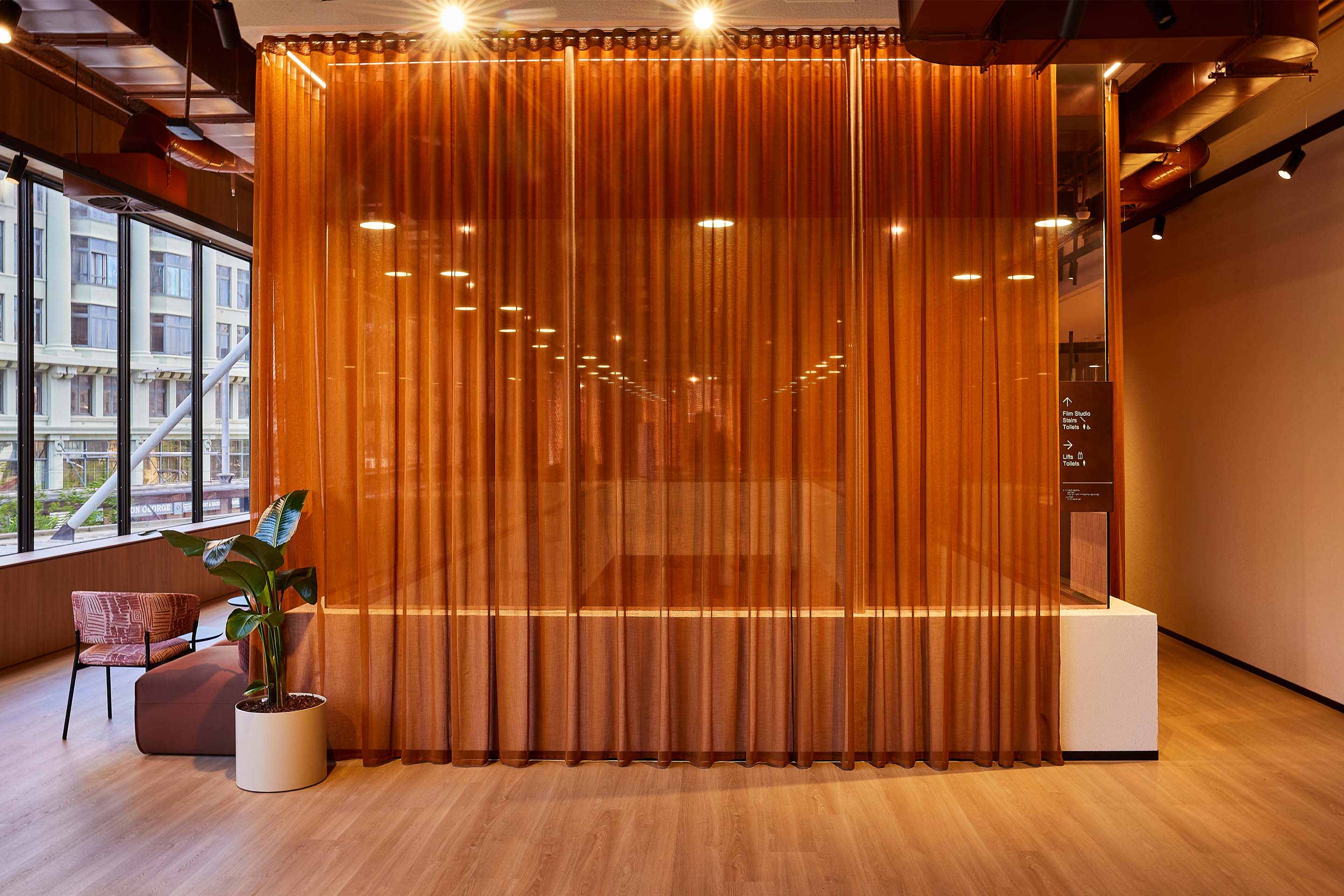
From this foundation, we developed a signage and wayfinding system that works in harmony with the architectural language. Rather than competing with the material richness of precast concrete, textured brick and aged copper, the signage draws directly from it.
A restrained palette, refined detailing and integrated forms allow each element to feel embedded within the environment. Directional signage is clear and highly legible, yet intentionally understated, ensuring the space remains the hero.
Placemaking moments were carefully considered throughout, using signage as a tool not just for navigation, but for defining zones, supporting flexible use and reinforcing the identity of the space.
Our role extended through tender and construction documentation, implementation and defect reporting, ensuring the design intent was carried through to delivery with consistency and precision.
The outcome
The result is a cohesive and highly functional environment where architecture and signage operate as one.
The wayfinding system provides clarity within a deliberately fluid layout, allowing the space to shift seamlessly between workplace and event modes. Users can navigate intuitively, without the need for overt or intrusive signage.
Materially, the integration of signage into the architectural palette reinforces the project’s core idea, respecting the building’s brutalist origins while supporting its contemporary reimagining.
Ultimately, the project demonstrates how thoughtful environmental design can elevate complex, multi-use spaces, creating environments that are both expressive and easy to use.
Similar
projects
Contact
To get in touch...