

Finding our lane
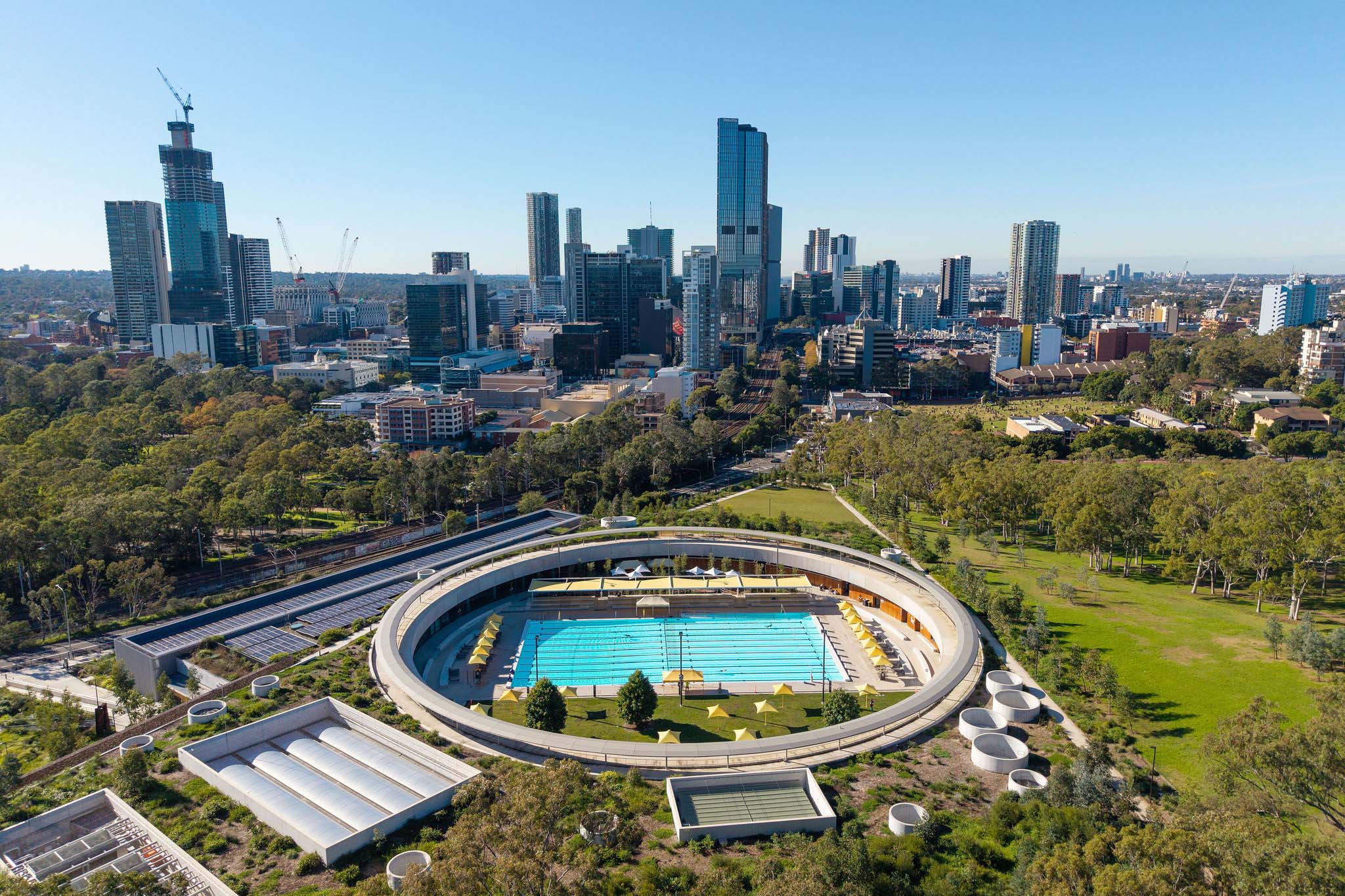
Across Australia, aquatic, leisure and wellness environments are evolving into some of the most important pieces of community infrastructure being built today. They are no longer simply pools, gyms or sports facilities. They are places where communities gather, where families spend weekends, where children learn confidence, where people prioritise health and wellbeing, and where people reconnect with movement, recreation and each other.
These environments often become part of people’s everyday lives. Morning fitness routines, weekend sport, swimming lessons, rehabilitation programs, social connection and moments of personal wellbeing all happen within the same shared spaces. As a result, the best aquatic and leisure environments are not only functional, they feel welcoming, intuitive and deeply connected to the communities around them.
As these facilities continue to grow in scale and complexity, the role of branding, signage and wayfinding has become increasingly important. Modern leisure and wellness facilities bring together multiple experiences within a single destination, often balancing sport, fitness, aquatic programs, education, hospitality, wellness and community use all at once. The challenge is not simply making these places work operationally, but ensuring they feel effortless and enjoyable to move through.
At Extrablack, this is a sector we understand deeply. Over many years, we have worked across a broad range of aquatic, leisure, wellness and recreation projects, helping shape the way people experience these environments through branding, signage and wayfinding design. You could say, Extrablack has found its lane.
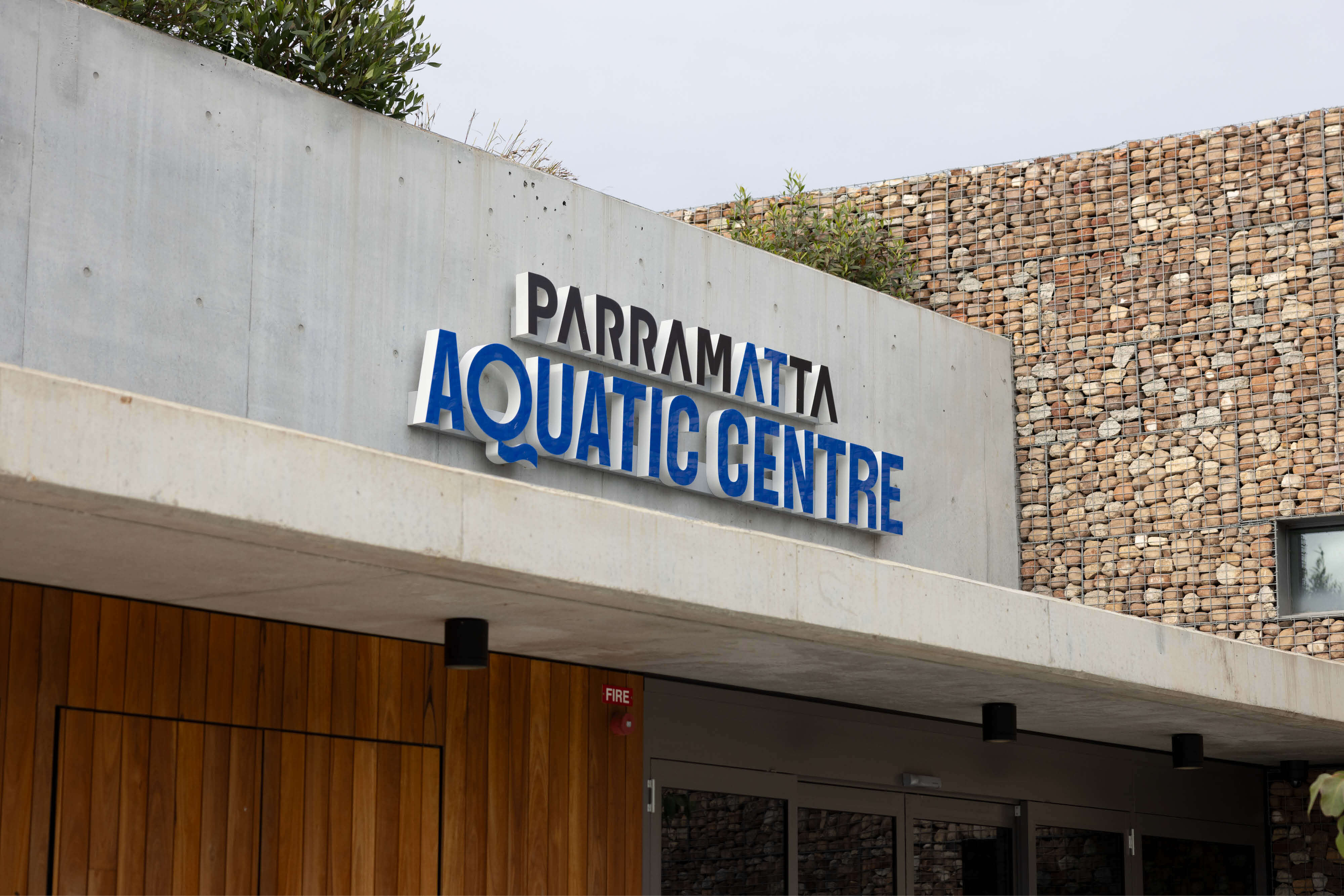
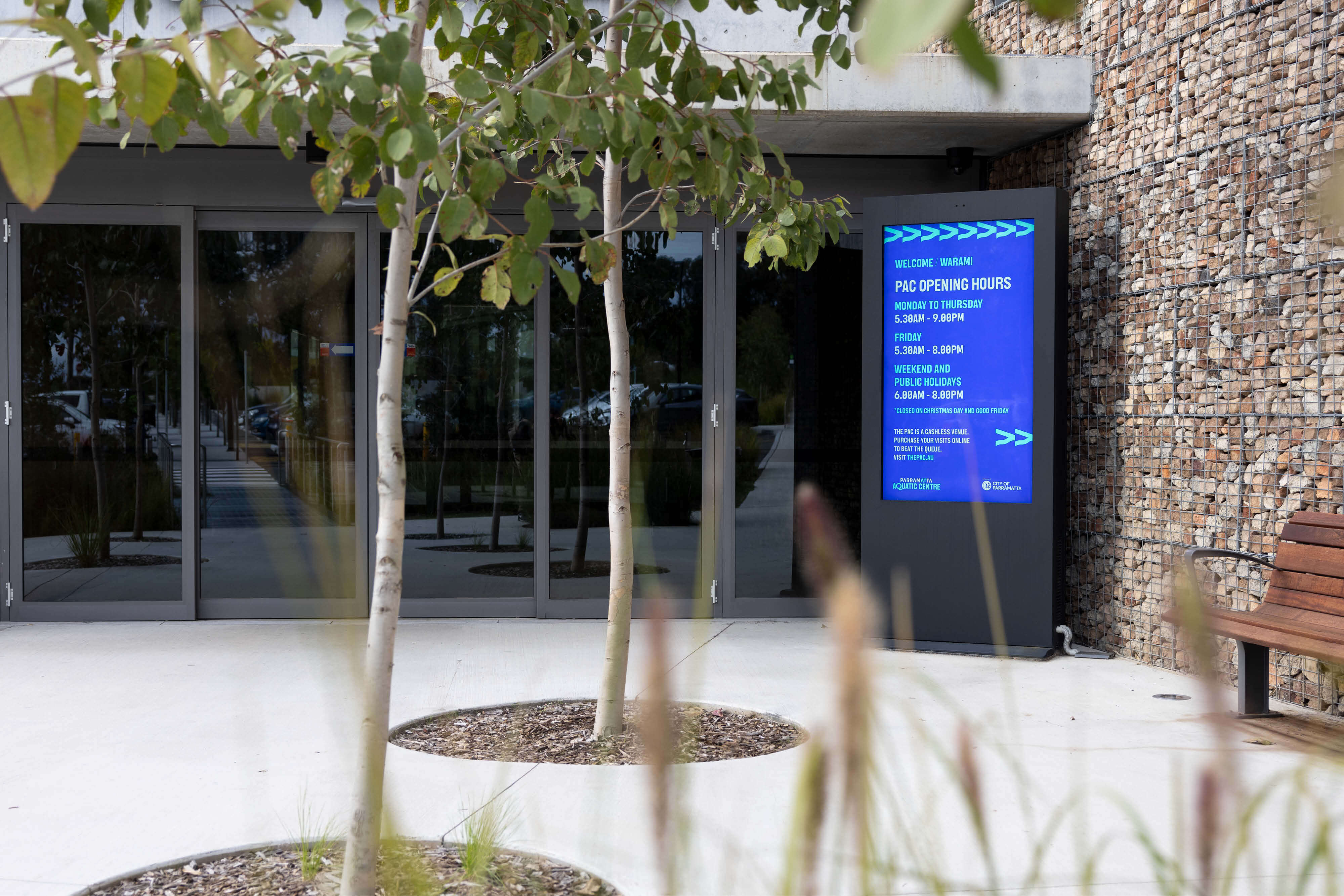
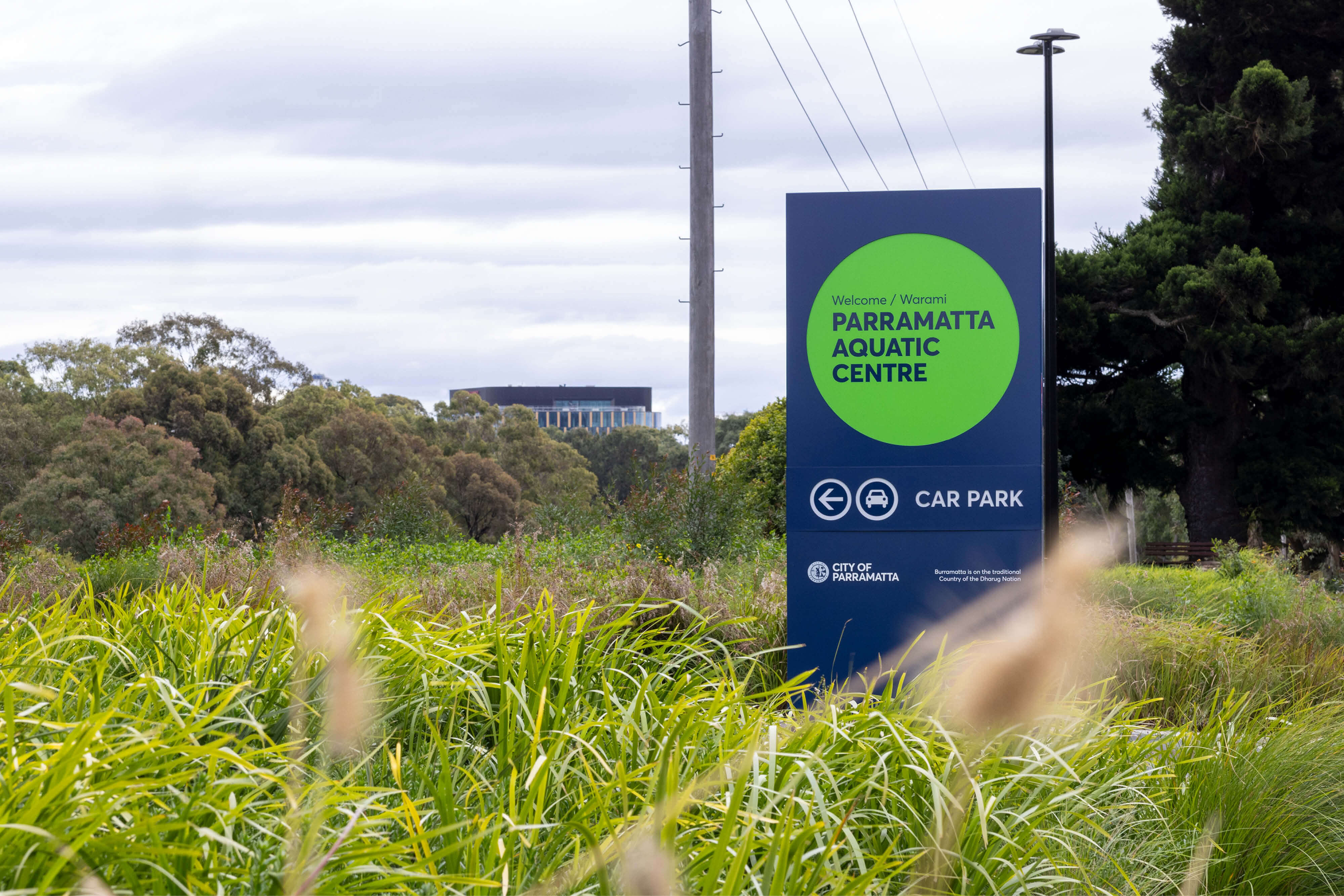
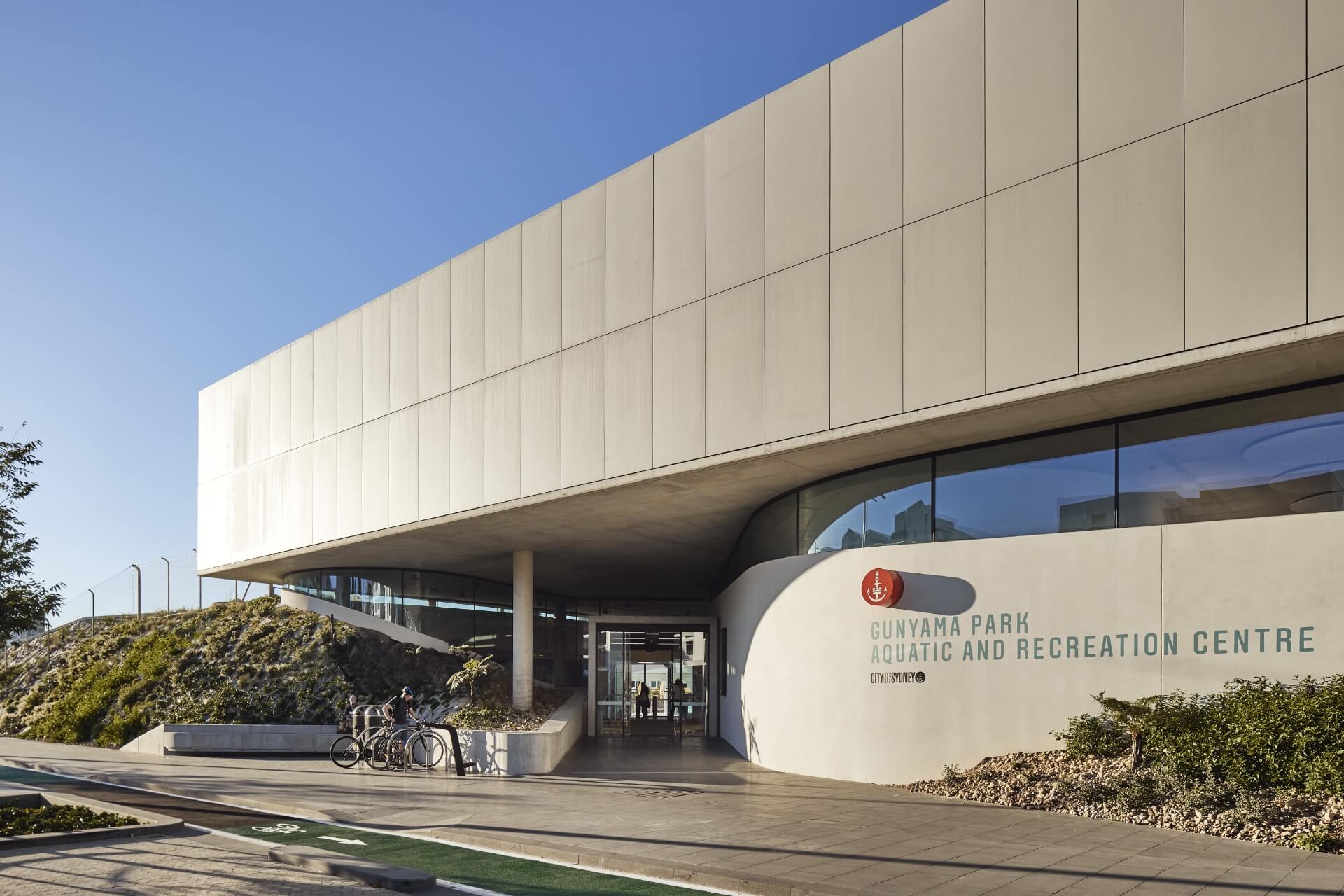
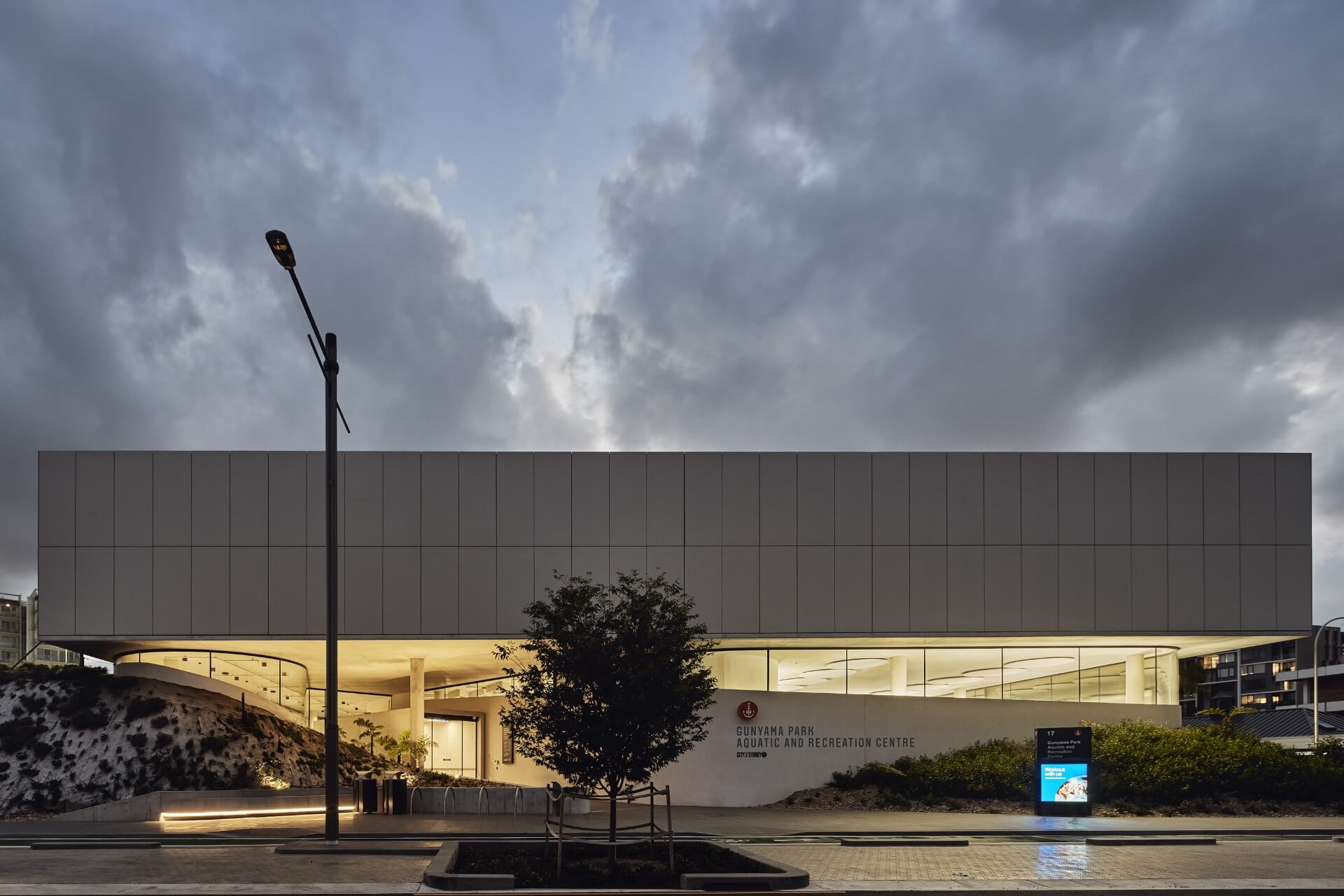
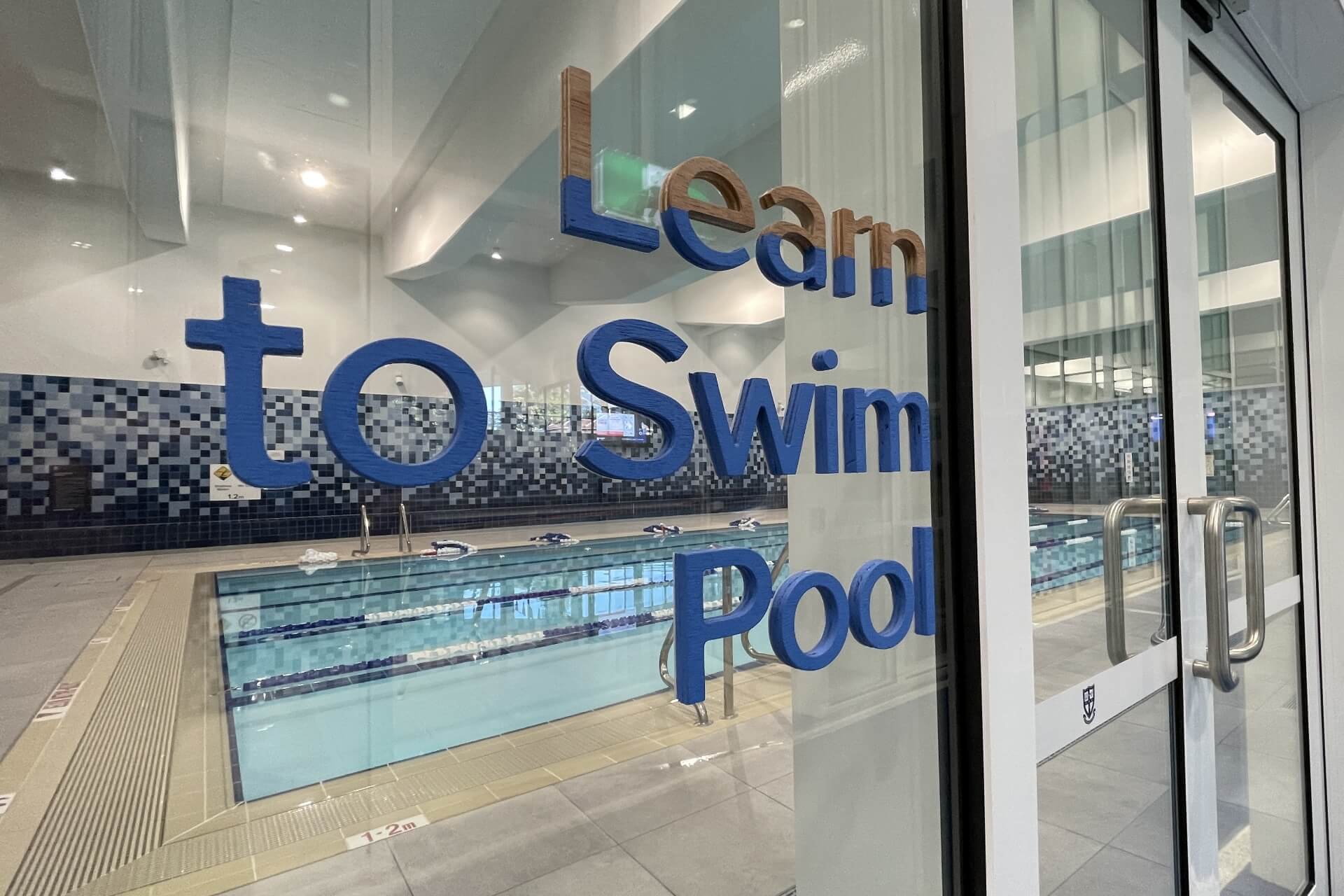
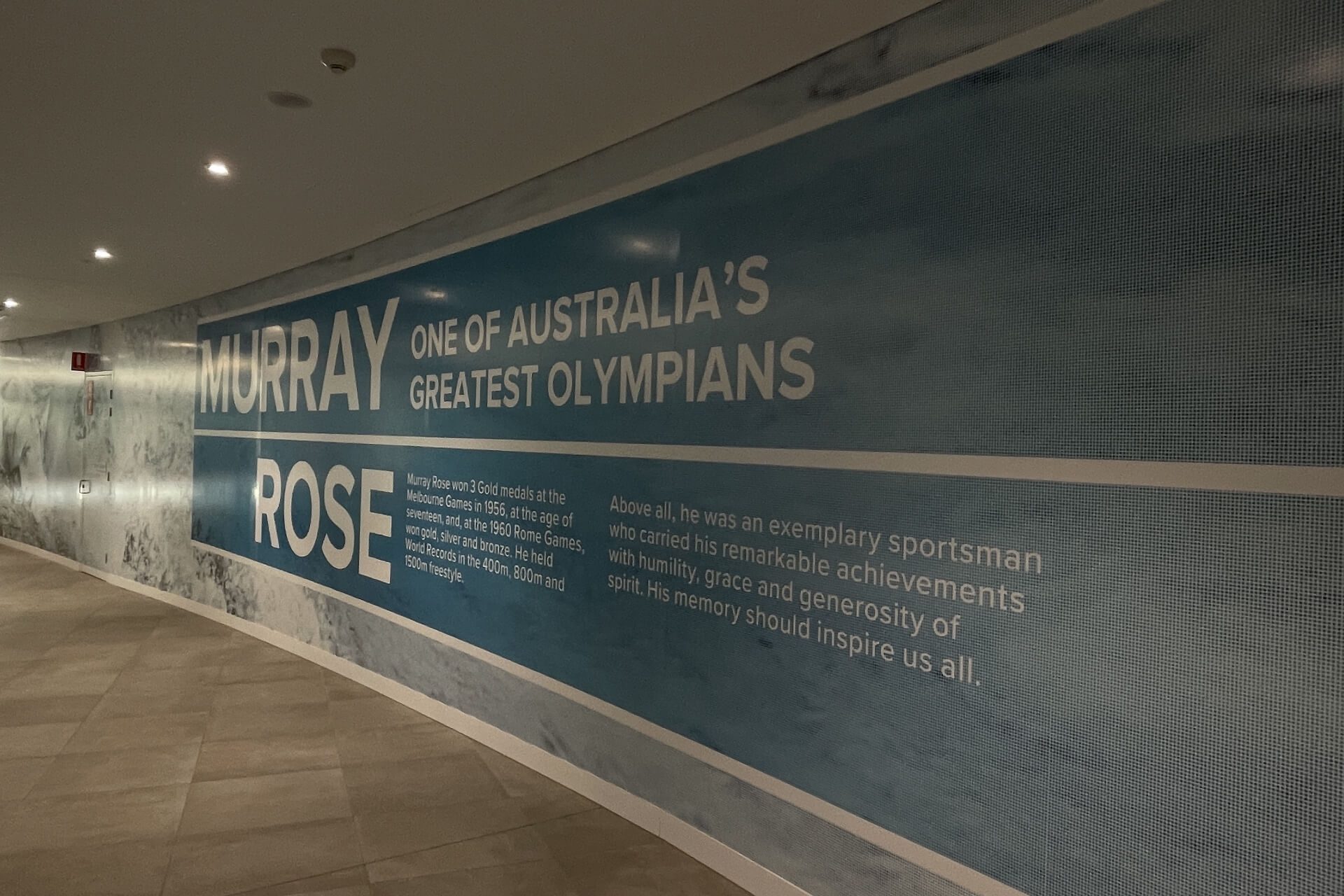
Our experience spans large civic aquatic centres, school wellbeing facilities, community recreation environments and integrated sports precincts. Projects such as Gunyama Park Aquatic and Recreation Centre, Parramatta Aquatic Centre, Cranbrook School, the Roseville College Sport & Wellbeing Centre, Murray Rose Aquatic & Fitness Centre and Anne Johnstone Wellbeing and Sports Centre have all contributed to a growing understanding of how people interact with these increasingly layered environments.
We are also currently delivering projects including the branding and signage for the redevelopment of Botany Aquatic Centre and the Hyland Road Sports Centre, while also having contributed to the Orange Sports Precinct during earlier project stages.
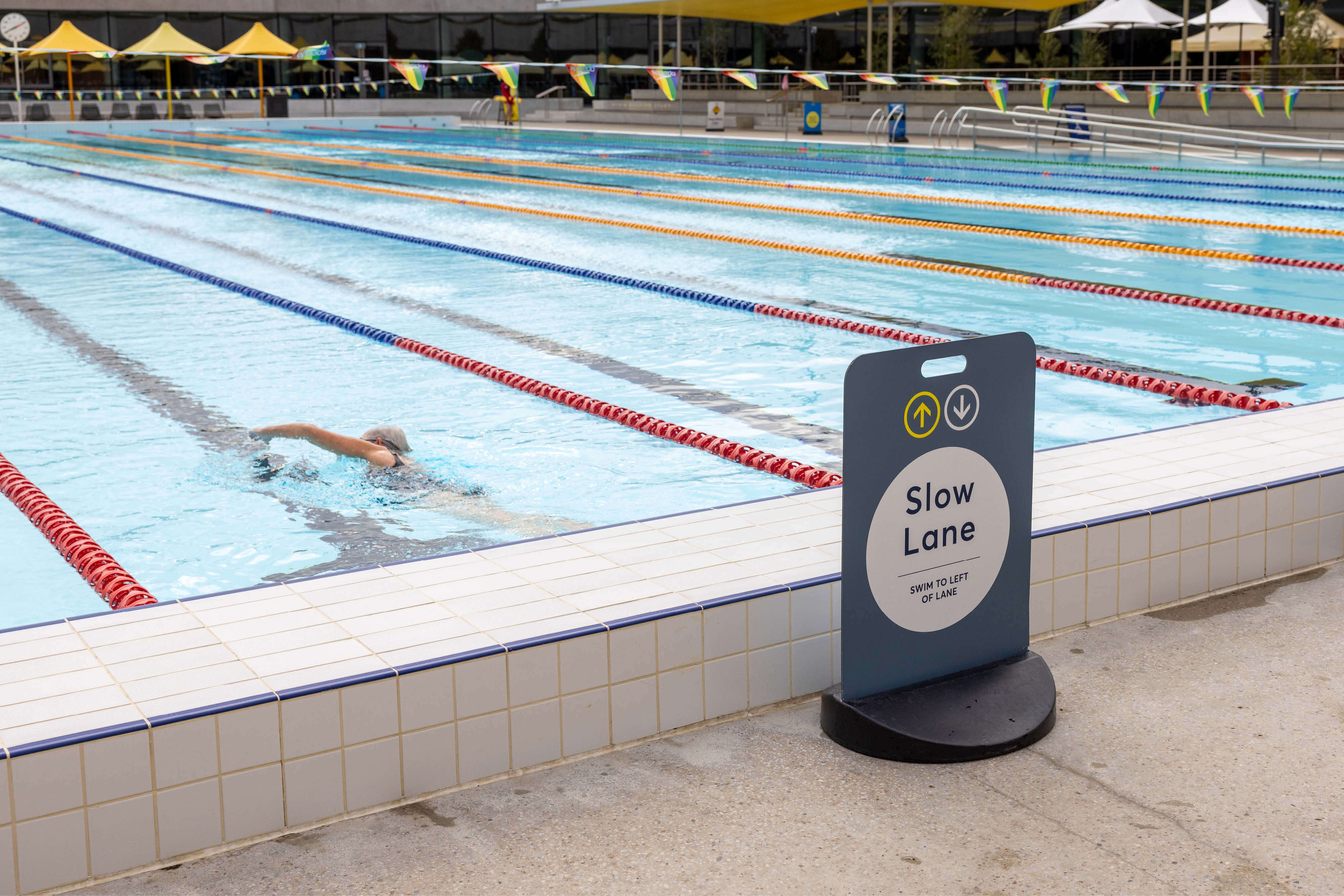
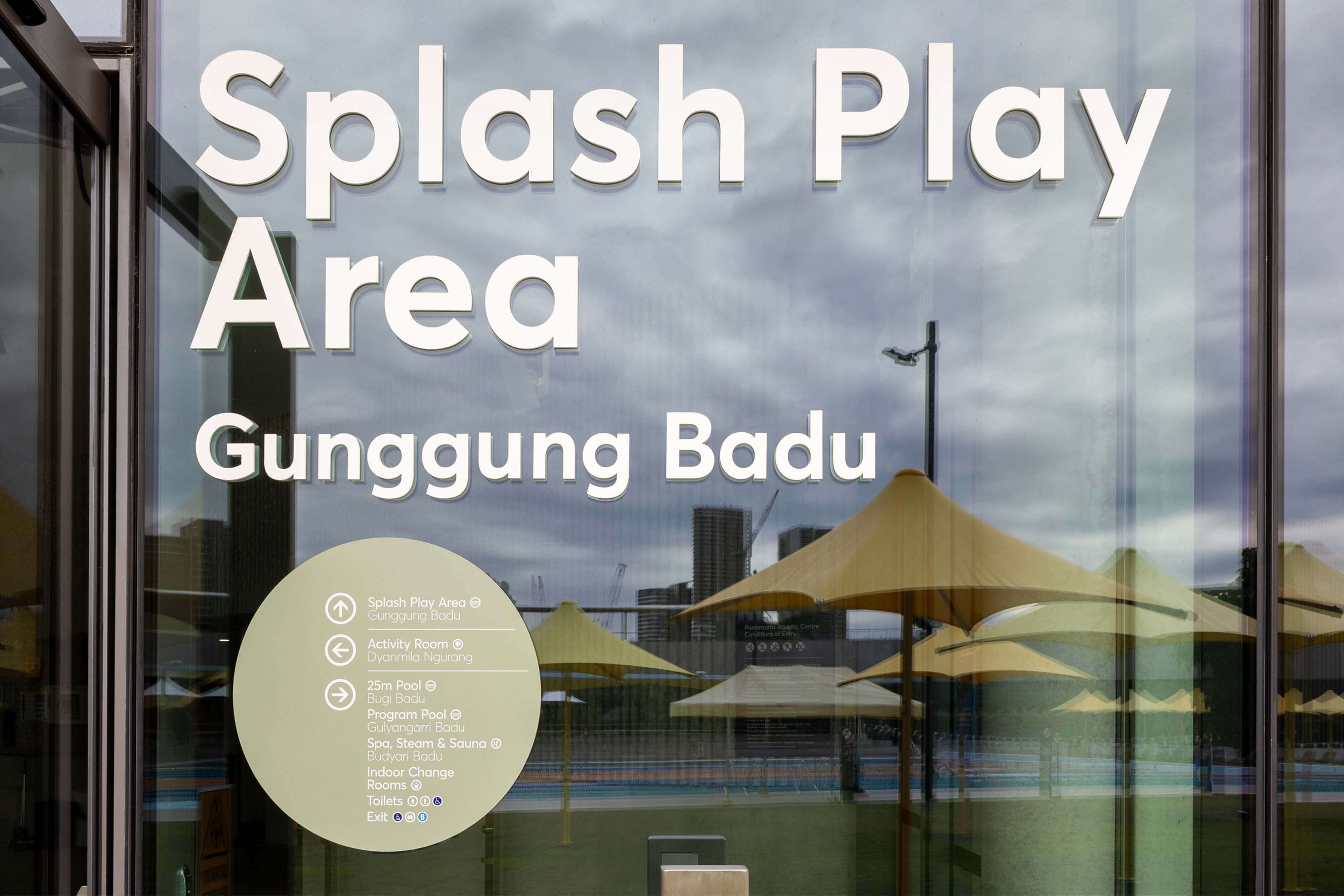
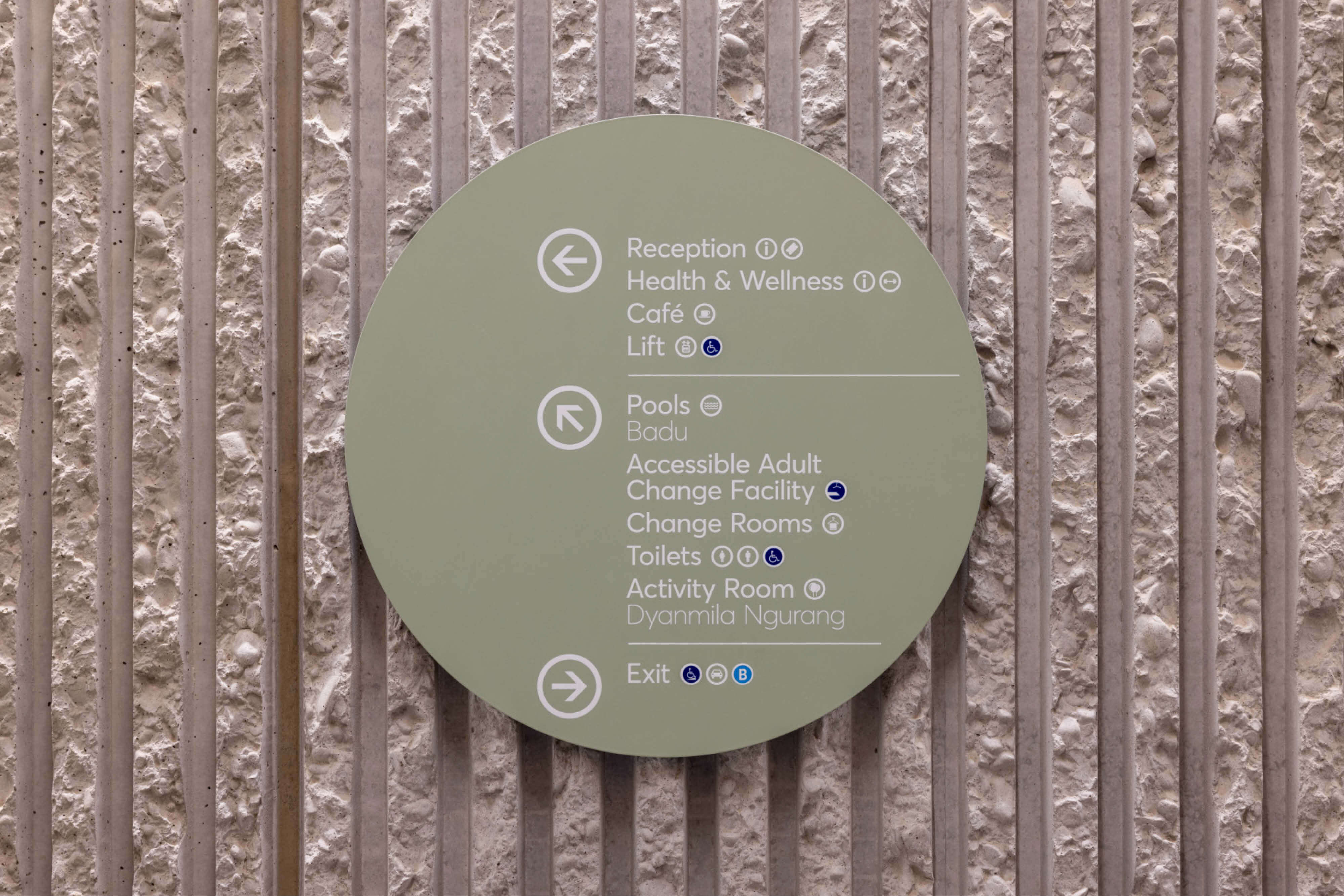
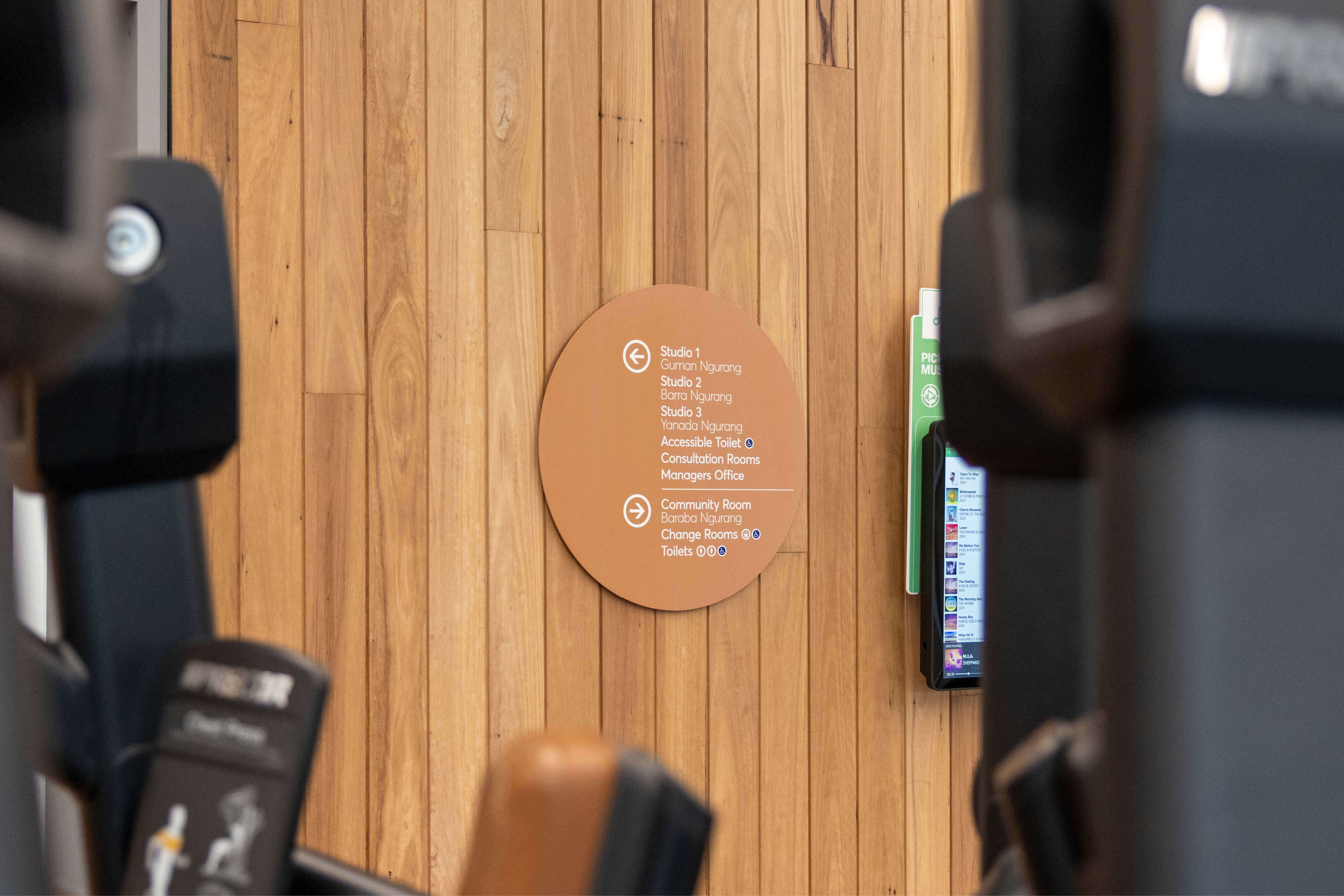
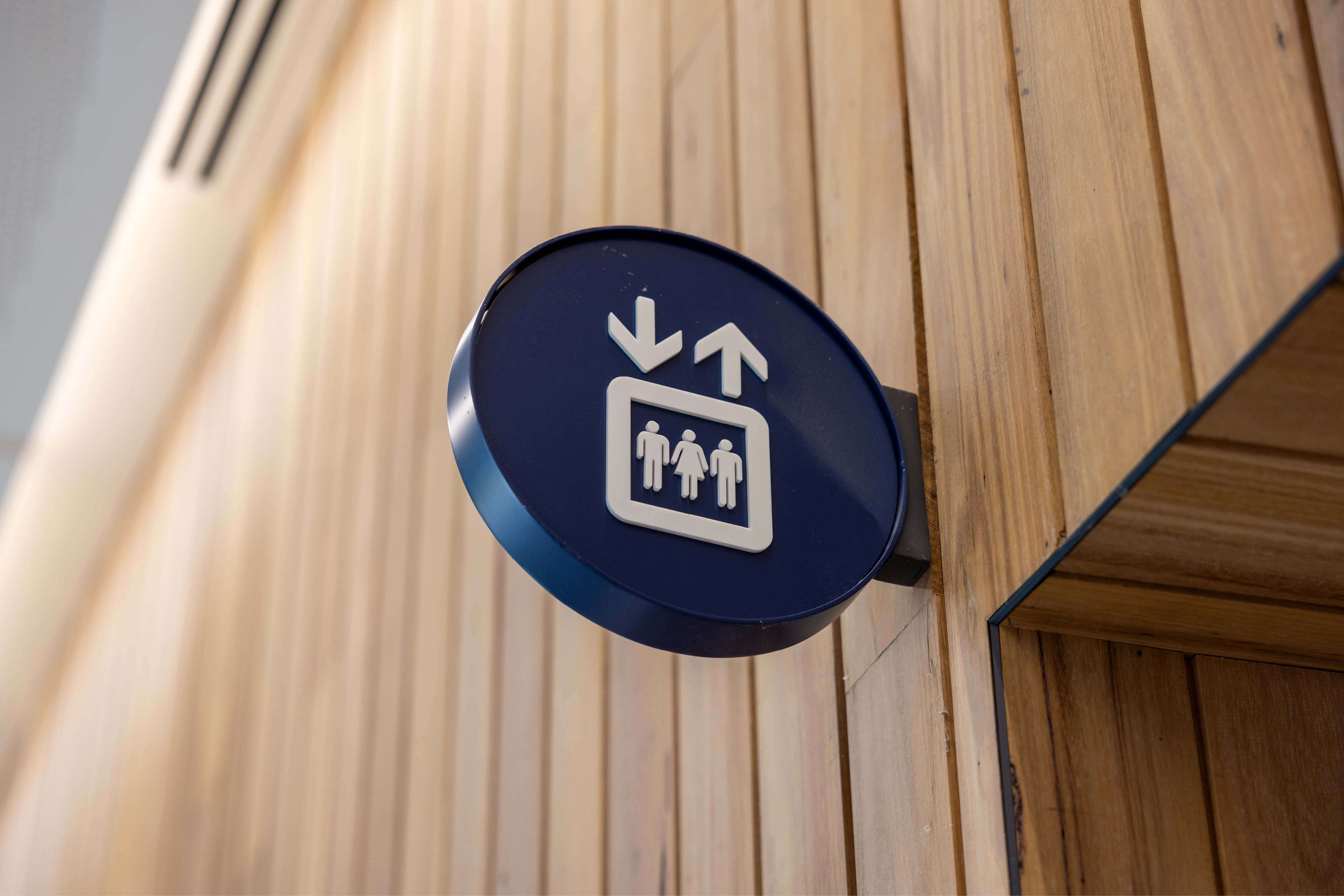
Why Leisure and Aquatic Environments Require a Different Approach
Aquatic and leisure facilities are uniquely complex environments. Unlike many public buildings that serve a singular purpose, these spaces often support a wide variety of users simultaneously. Families arriving for swimming lessons, athletes training for competition, students attending sport programs, visitors heading to wellness facilities, spectators navigating large venues and staff managing daily operations all move through the same environment in very different ways.
That complexity creates an important responsibility for branding and wayfinding design.
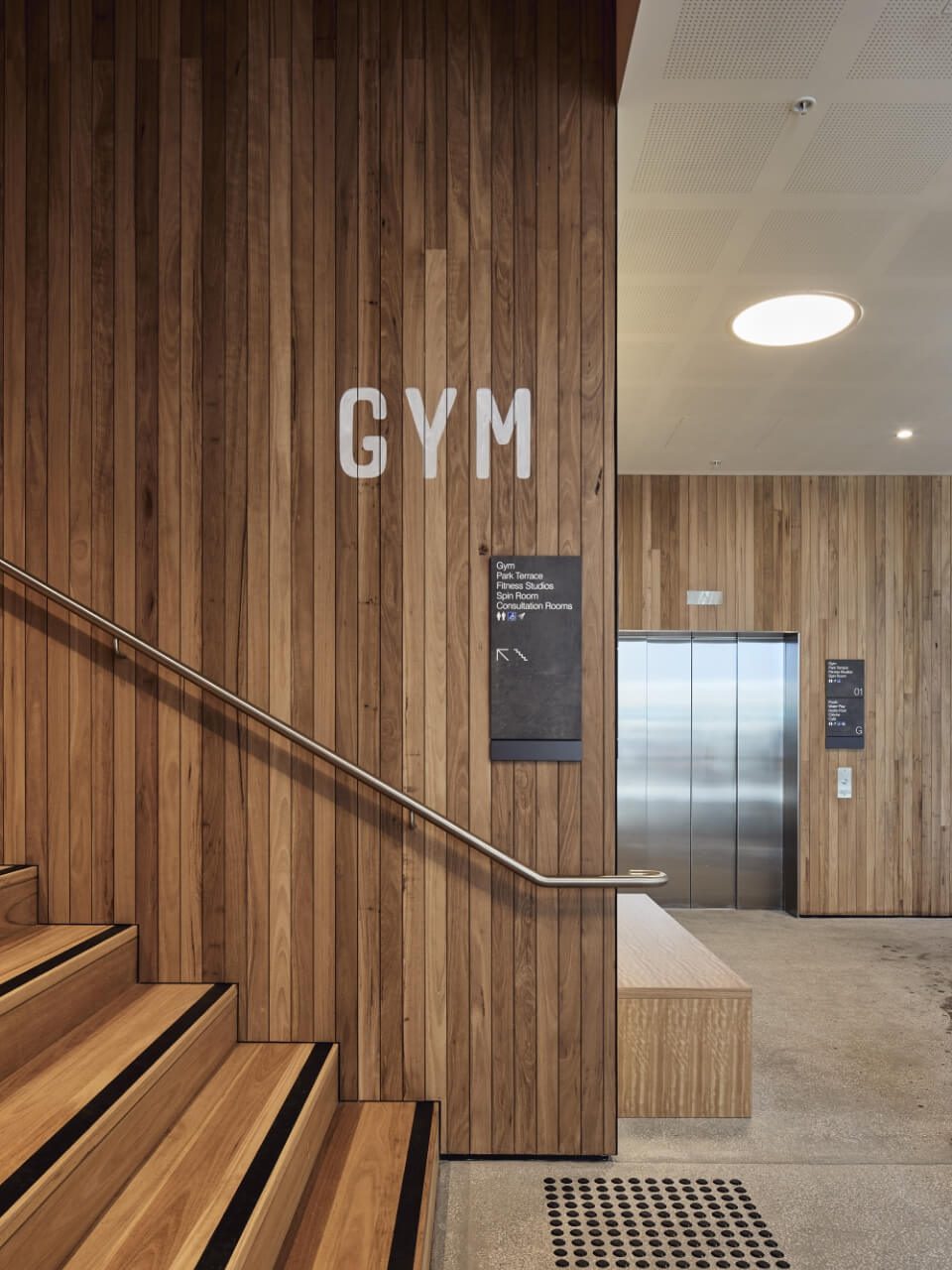
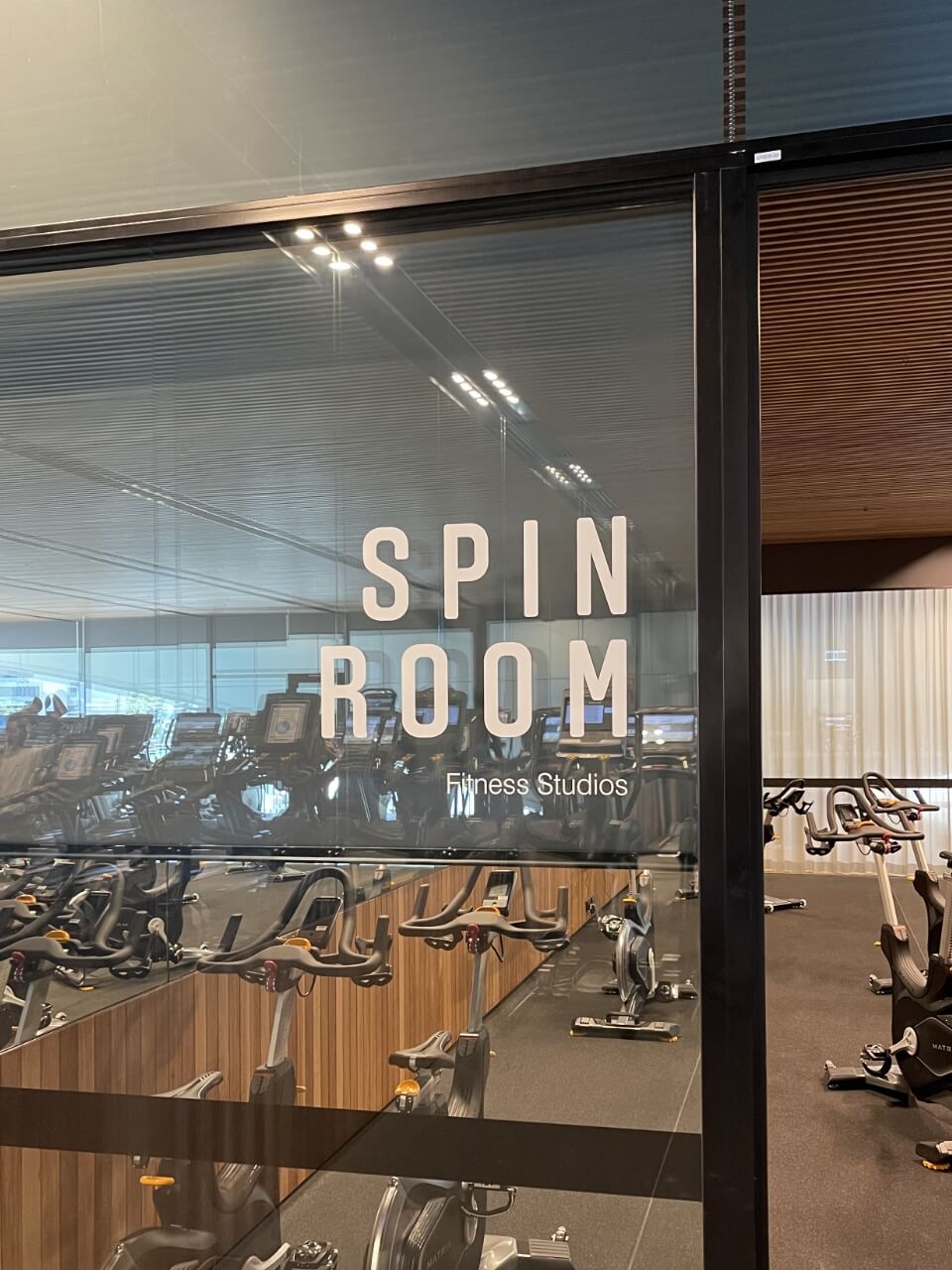
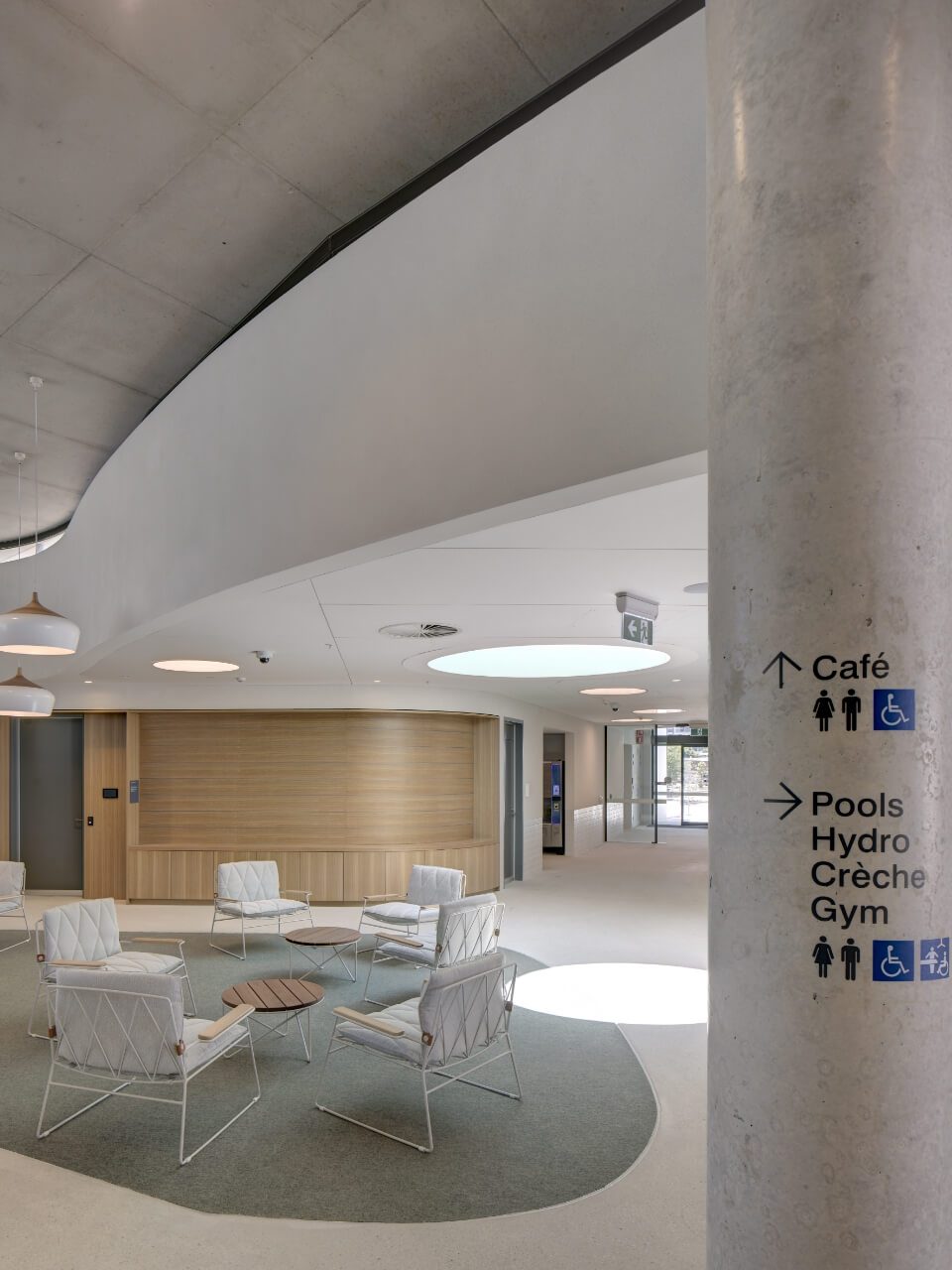
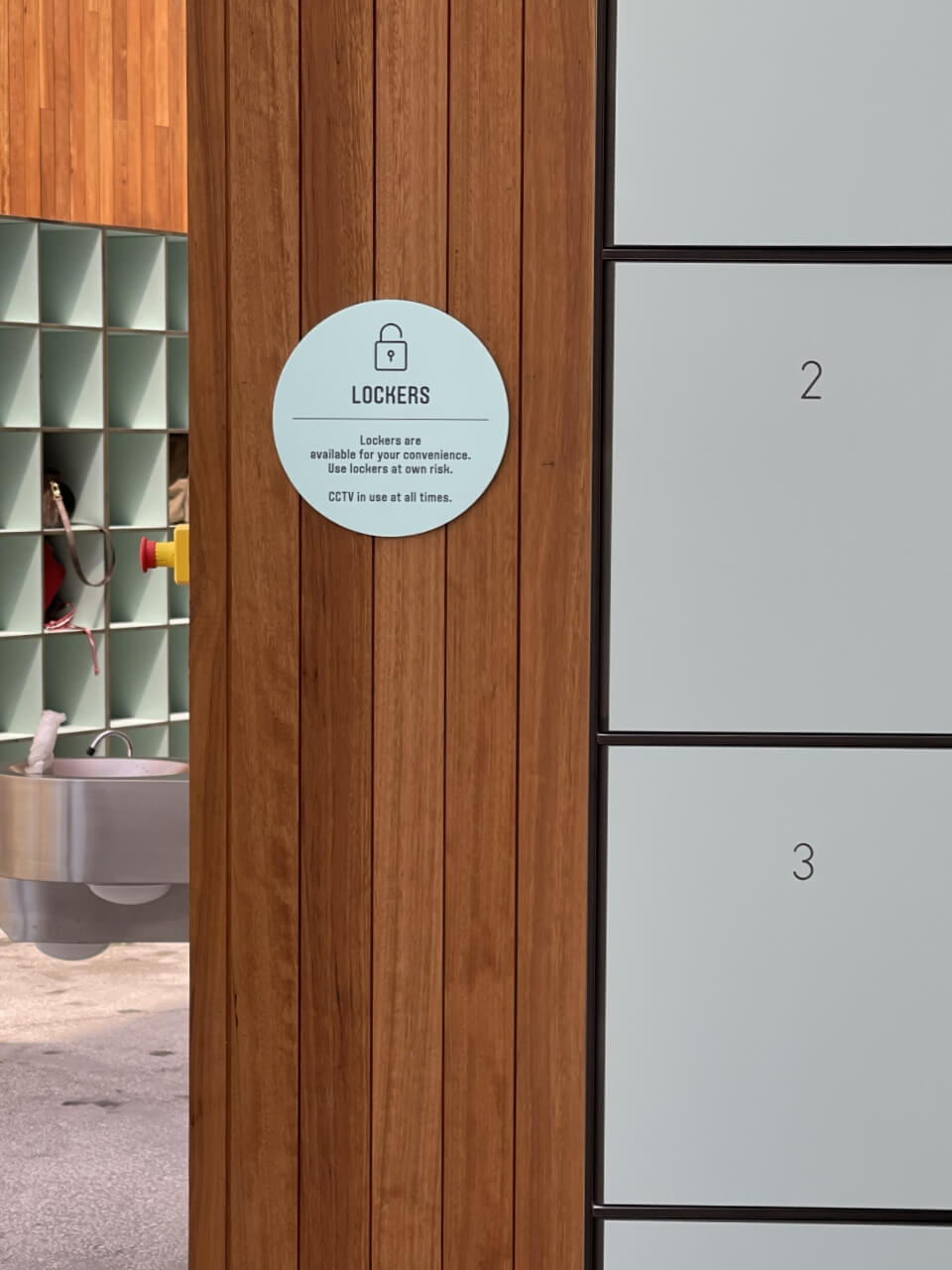
At Extrablack, our approach always begins with understanding how people experience a place. Before thinking about signs or graphics, we look closely at movement patterns, arrival sequences, decision-making points and user behaviour. We consider how people enter a building, where confusion might occur and how the environment itself can support confidence and ease of navigation.
The goal is never to over-sign a space. In fact, the best wayfinding often feels almost invisible. It quietly supports movement and understanding without overwhelming the architecture or the visitor experience.
This becomes particularly important within aquatic and leisure environments where people are often carrying equipment, supervising children, transitioning between wet and dry zones or navigating large facilities for the first time. Clear, intuitive communication can dramatically improve how comfortable and enjoyable a place feels to use.
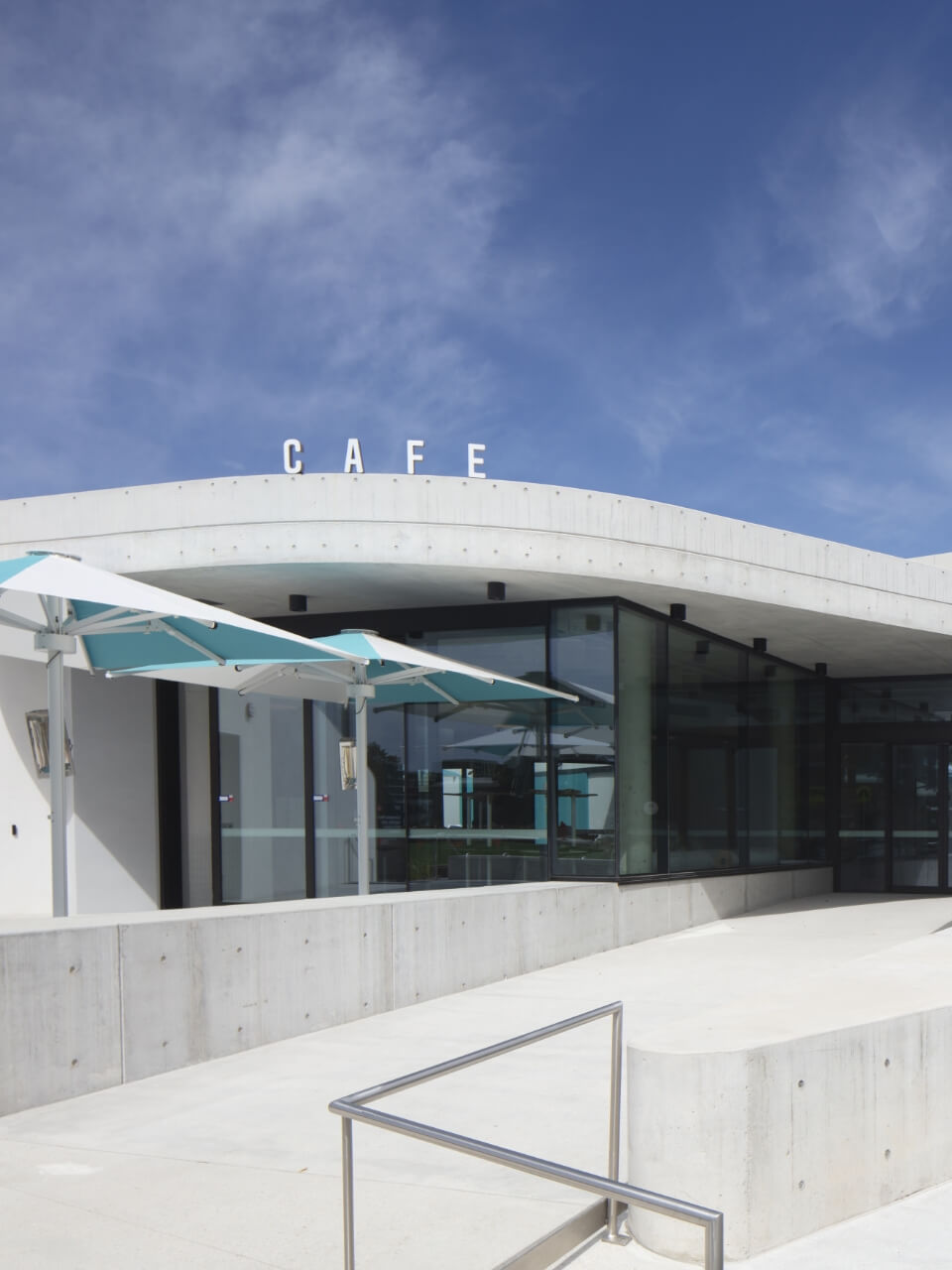
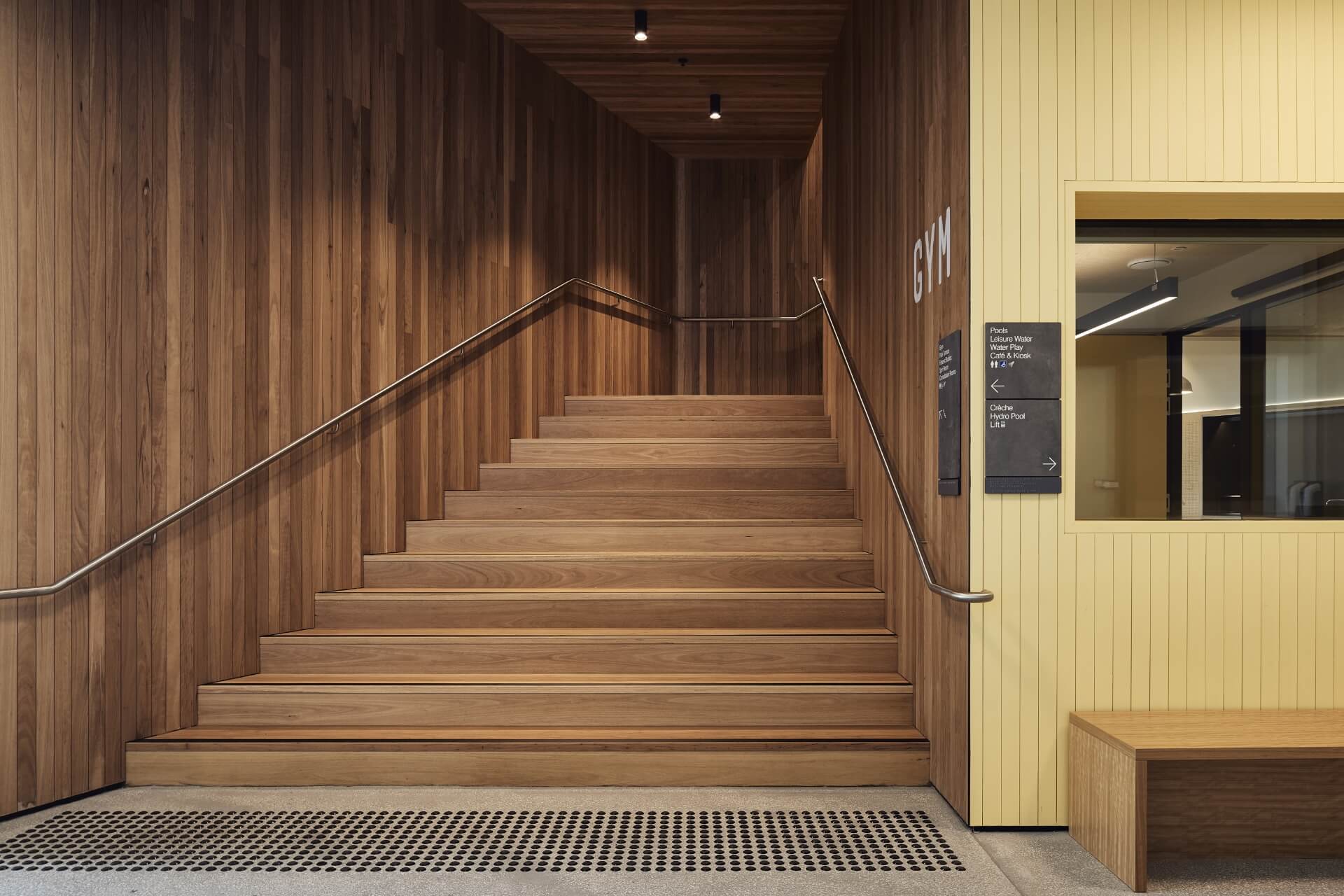


The Growing Importance of Wellness and Community Identity
One of the most interesting shifts across the sector is the increasing overlap between recreation, wellness and community identity.
Modern leisure environments are no longer viewed purely through a functional lens. They are increasingly designed as civic destinations that contribute to the social and cultural life of a community. They are places where people spend meaningful time, build routines and create long-term emotional connections.
This changes the role branding plays within these projects.
Branding for aquatic, leisure and wellness environments needs to do more than simply identify a building. It needs to establish character, communicate values and create a sense of place. It should help people feel welcomed before they even enter the space.
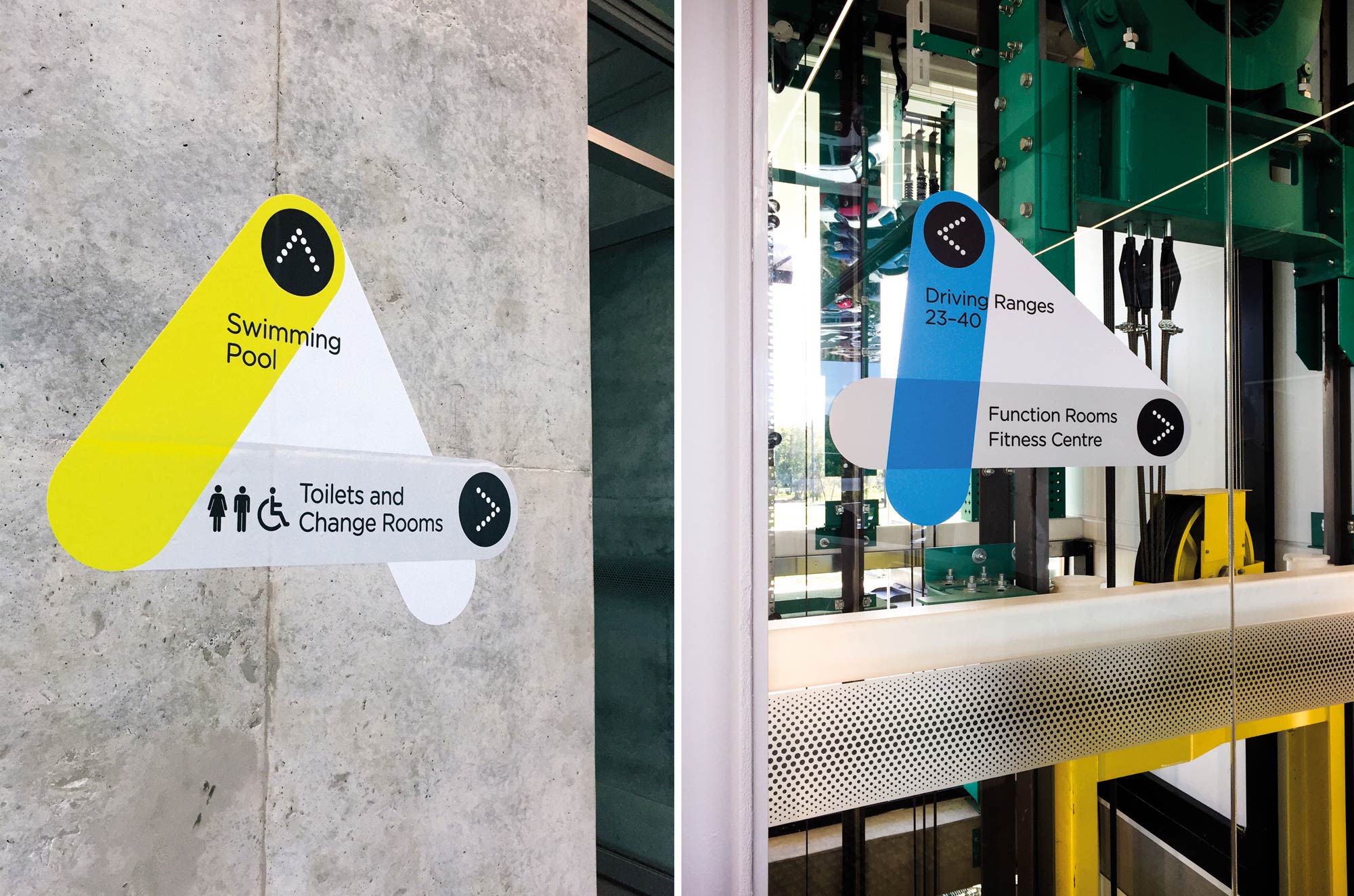
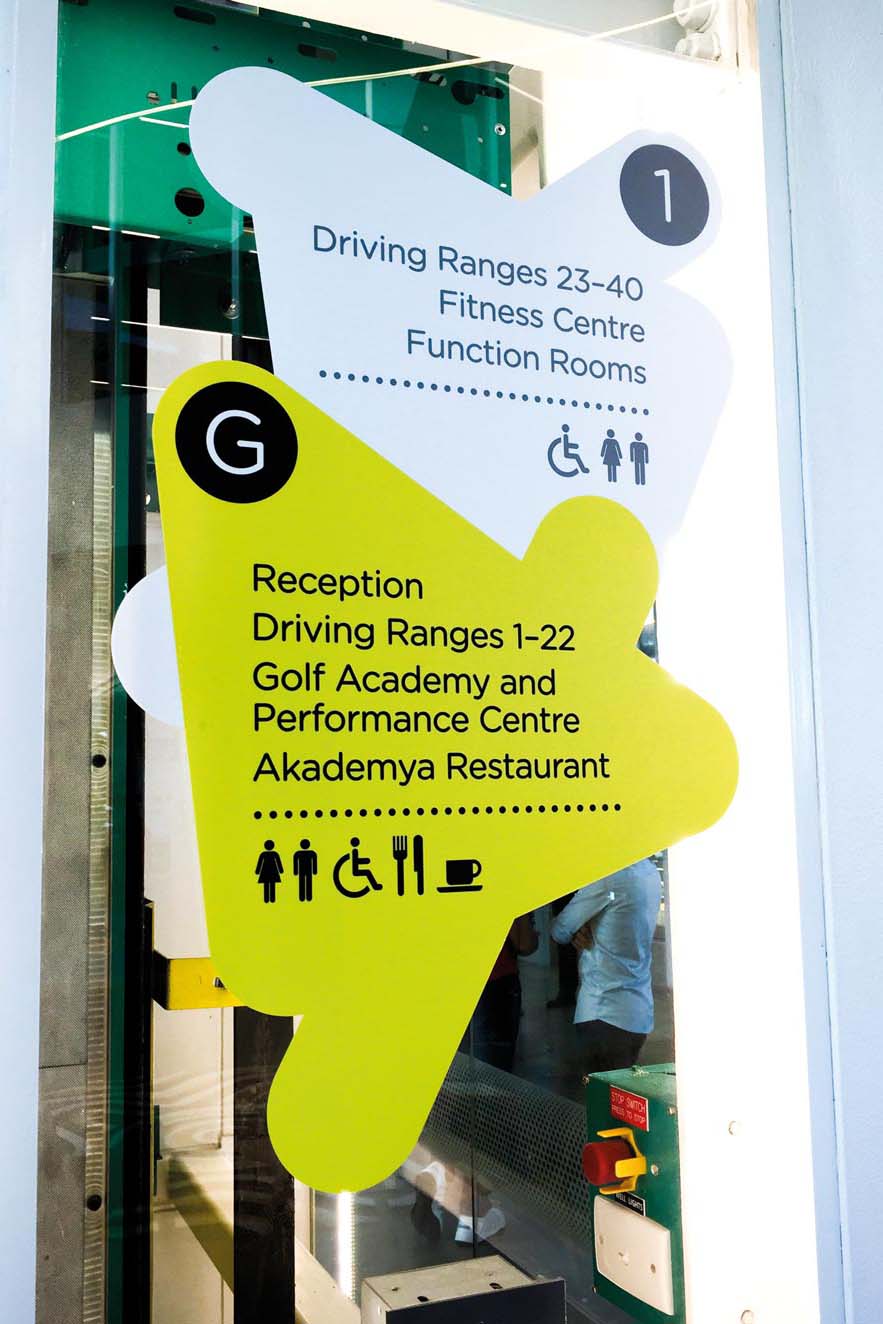
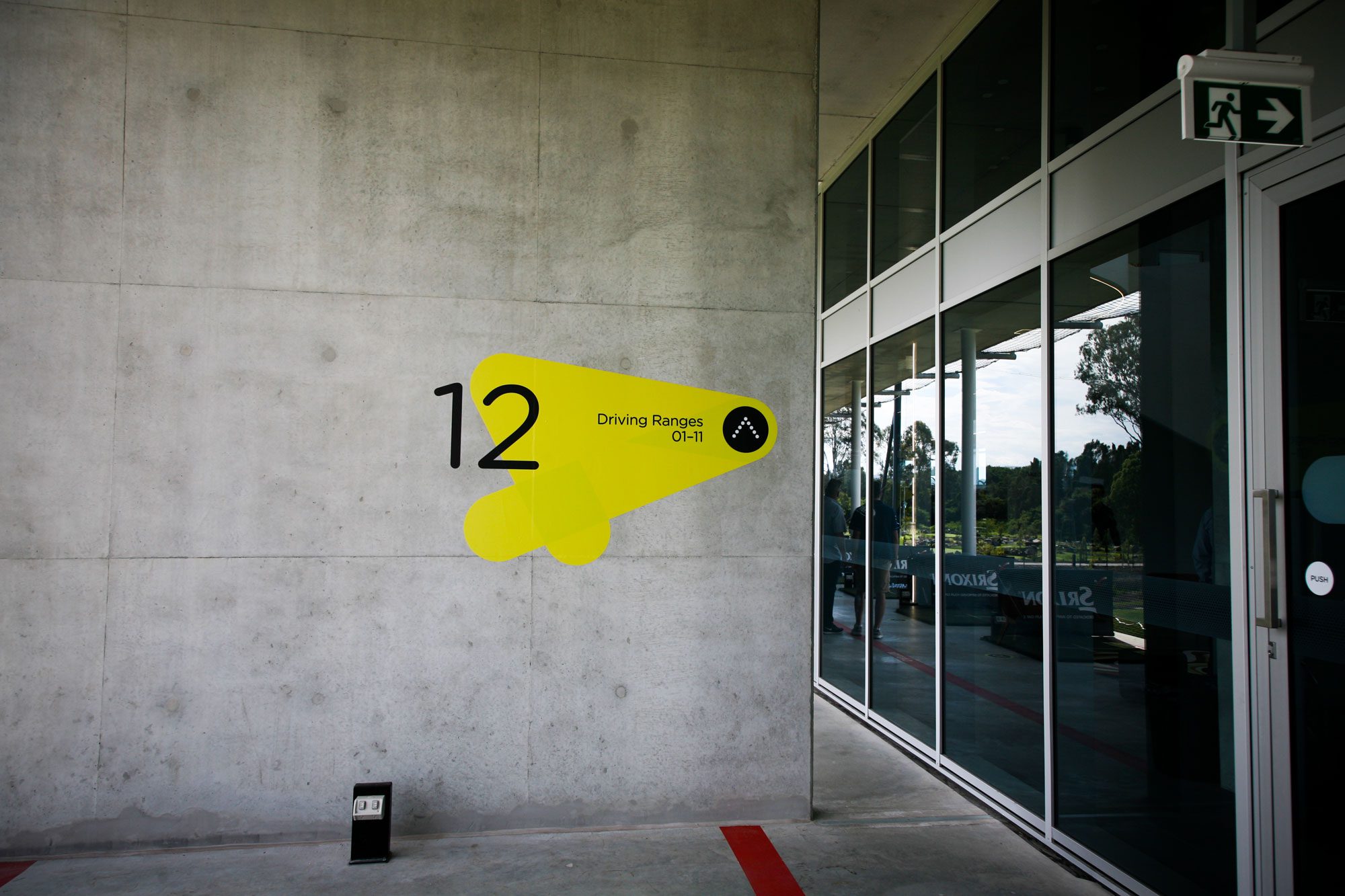
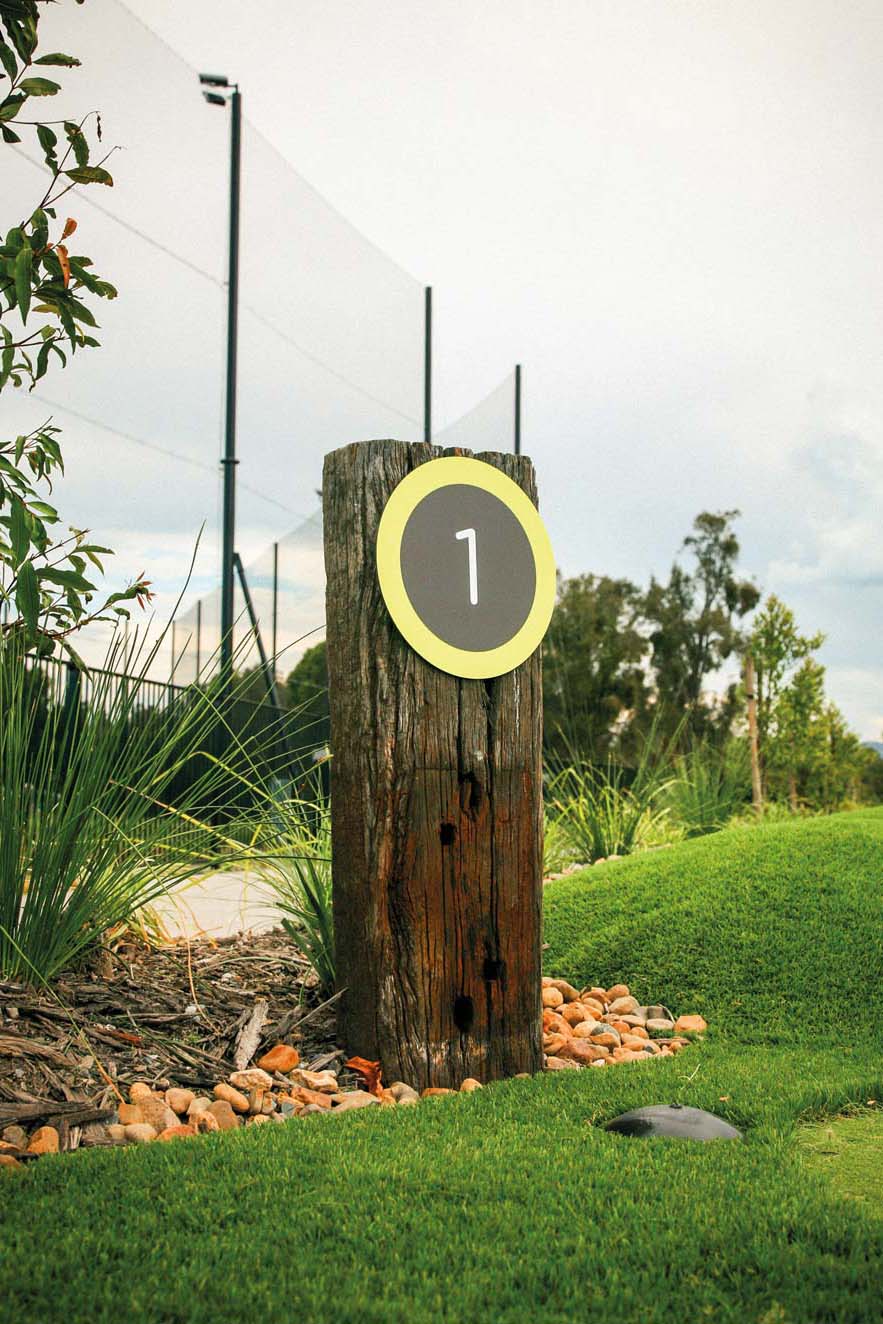
This idea became central to our work at KDV Sport, where branding, signage and placemaking were deliberately integrated to create a more connected and memorable visitor experience. Rather than treating wayfinding as purely functional, the signage system became an extension of the precinct’s identity itself, helping establish a vibrant, future-focused environment that reflected the scale, ambition and energy of the destination.
At Extrablack, we see the strongest outcomes occurring when branding, architecture and wayfinding are considered together from the beginning. When these elements are integrated, the entire visitor experience becomes more cohesive, intuitive and memorable.
This is particularly relevant within wellbeing-focused environments where atmosphere and emotional experience are just as important as operational performance. The way a space communicates visually can influence whether it feels calm, energetic, premium, community-focused or family-friendly.
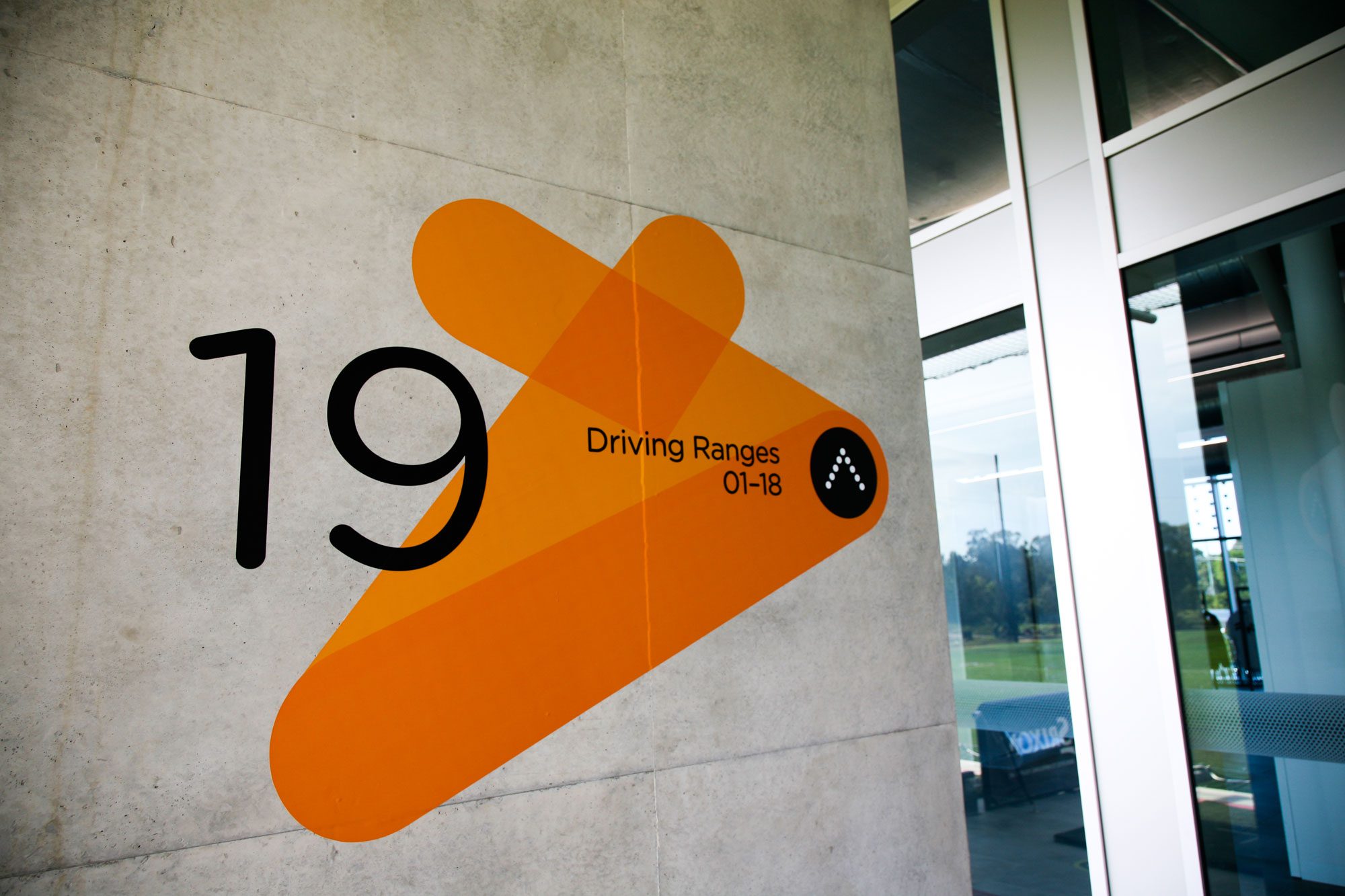
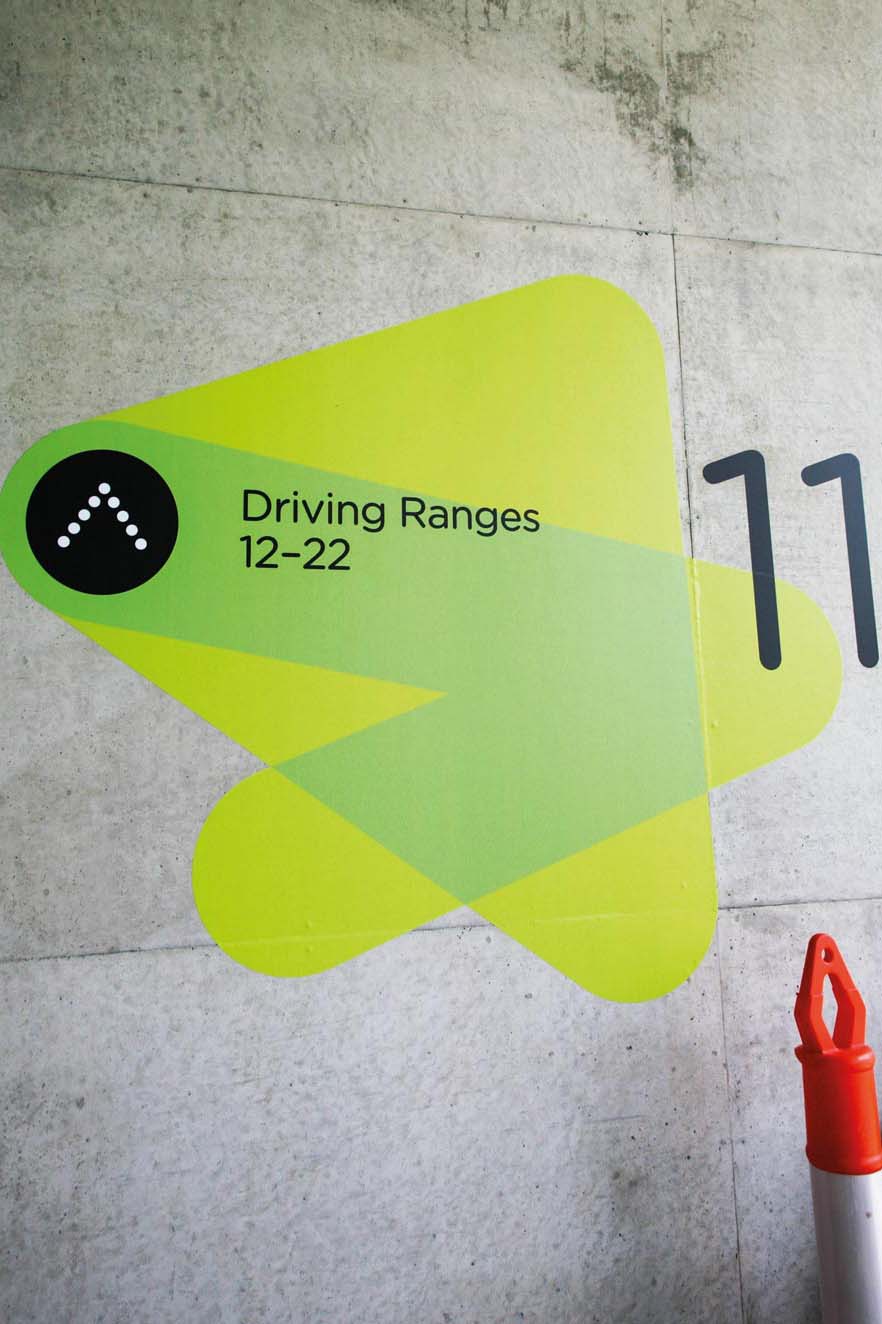
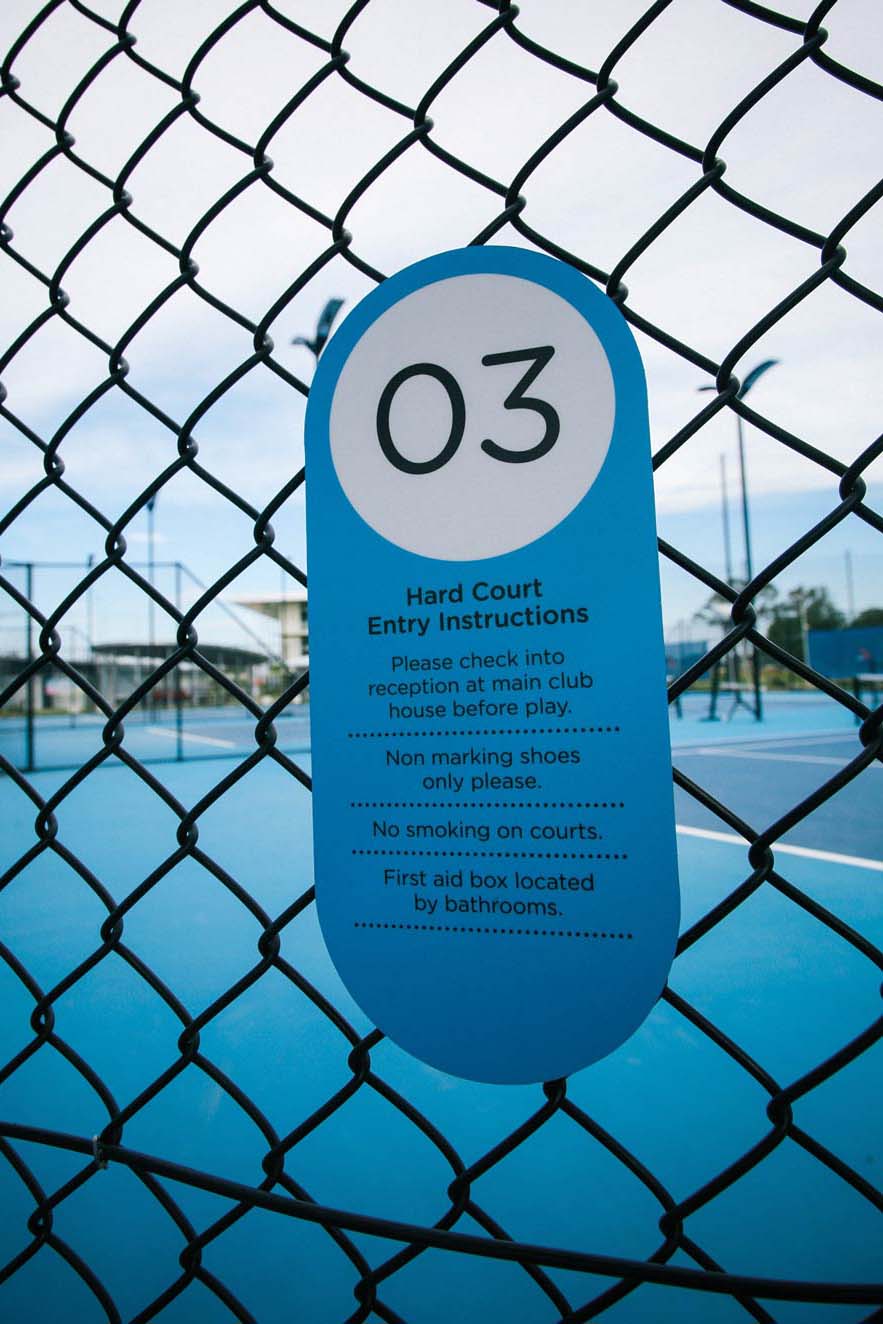
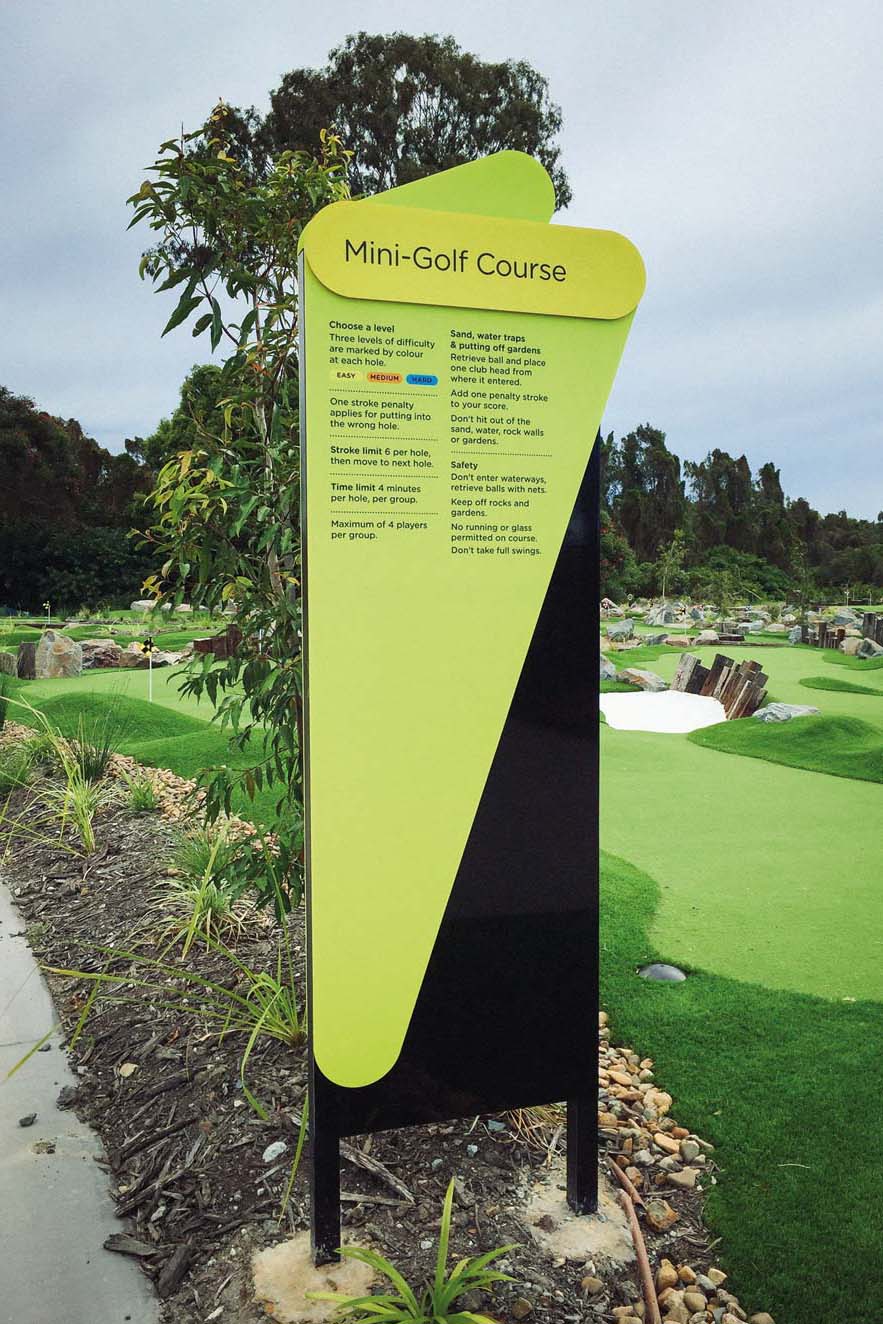
Designing Around Human Behaviour
One of the reasons we continue to enjoy working in this sector is because these environments are fundamentally human-centred.
Unlike purely commercial spaces, leisure and wellness facilities are deeply connected to people’s routines, aspirations and quality of life. They are places where children learn confidence, communities gather, people prioritise health and wellbeing and individuals reconnect with movement and recreation.
That means design decisions have a very real impact on how people feel within a space.
Our work across aquatic centres, sports facilities and wellness environments has reinforced the importance of designing around real human behaviour rather than purely operational diagrams. We think carefully about accessibility, intuitive circulation, sightlines, information hierarchy and moments where stress or uncertainty can be reduced through better communication design.
This people-first approach also supports inclusivity. Leisure and recreation environments are used by people of all ages, abilities and backgrounds. Effective wayfinding systems need to support accessibility naturally and seamlessly within the overall experience.
A Sector Continuing to Evolve
The aquatic, leisure and wellness sector continues to evolve rapidly across Australia. Facilities are becoming more sophisticated, more integrated and more community-focused than ever before. Increasingly, projects combine recreation, health, education, hospitality and wellness into singular destinations designed to support broader lifestyles and community outcomes.
At the same time, public expectations around user experience continue to rise. Visitors expect environments that feel easy to navigate, visually cohesive and thoughtfully designed. They want spaces that balance functionality with warmth, clarity with personality and civic scale with human experience.
This creates a significant opportunity for branding, signage and wayfinding to play a much larger role in shaping how these environments function and feel.
For Extrablack, this sector represents a natural intersection of many things we care deeply about. Strategy, architecture, communication, behaviour and public experience all come together within these projects in a uniquely rewarding way.
Most importantly, they are projects that have a tangible impact on everyday life.

Finding Our Lane
Over time, certain sectors naturally align with the way a studio thinks and works. For us, aquatic, leisure and wellness environments have become one of those sectors.
Through projects ranging from major aquatic centres and sports precincts through to school wellbeing facilities and community leisure destinations, we have developed genuine expertise in understanding the operational, experiential and emotional considerations that shape successful environments.
More than anything, we have learned that the best leisure and wellness projects are not defined by signage alone. They are defined by how clearly, comfortably and confidently people can experience a place.
That is ultimately what great branding and wayfinding should achieve. Not visual noise or overstatement, but clarity, confidence and connection.
And within the world of aquatic, leisure and wellness environments, that is where we know we can add real value through design.
Articles
Contact
To get in touch...