

Geocon's Gateway
Braddon leading how Canberra’s inner north evolves.
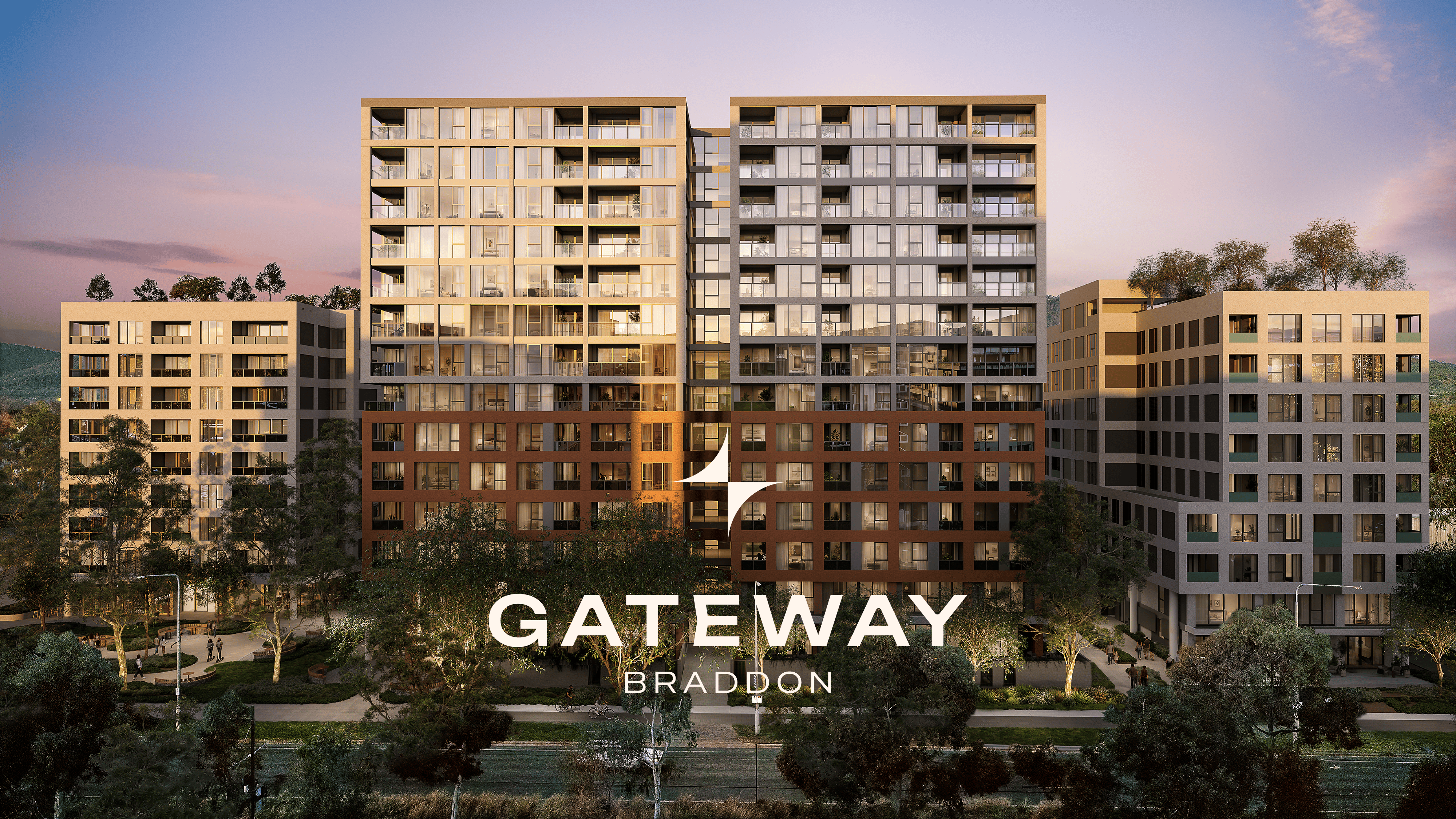
Braddon, the next chapter
Canberra’s inner north continues to be the model for how the city will grow. The latest planning reforms confirm a direction we have been working towards for more than a decade.
A city designed to be looked at
Canberra was planned as a national capital first and a place to live second. A monumental core of avenues, vistas and institutions sits at its heart, surrounded by suburbs of house and land. What the city has rarely had is the layer in between: an inner ring of medium and high density where people live close to work, transport and each other.
That layer is now arriving. And the place showing Canberra how to do it is Braddon.
Braddon, Canberra’s proving ground
Braddon was gazetted in 1928 as the light industrial area for the new city centre. It became the home of the city’s car traders, then, over the past two decades, turned into an entertainment and residential precinct. Today more than 50 restaurants, bars and cafés surround its streets.
That transformation showed that Canberrans will choose inner-city living. The next question is harder. How does that energy scale from a few streets into a connected city?
What a decade in Canberra has taught us
Our relationship with Canberra and with Geocon goes back more than ten years. Over that time, our Managing Director, Stuart Keith, has been involved in a number of the city’s urban projects and has watched the inner north change from the inside.
Some of the most valuable lessons came through conversations with David Sutherland, Director of Planning and Design at Fender Katsalidis, whose precinct work includes NewActon and 4 National Circuit, and who has advised the ACT Government on urban planning.
What we took from those conversations has shaped how we approach every Canberra project. A precinct succeeds when it is understood as a whole, not as a collection of buildings. The ground plane matters as much as the skyline. And in a city defined by its monuments, identity has to work at a human scale, connecting each building to the street, the suburb and the city beyond.
Positioning Gateway as the next step
Those lessons sat at the centre of the property marketing campaign we created for Gateway in Braddon.
We positioned Gateway as an urban village rather than another apartment tower. It brings four architecturally distinct buildings together as one connected precinct, at the point where four inner-city suburbs meet and at the ceremonial entry to the National Capital, with light rail at the door.
The campaign presents Gateway as part of Braddon’s evolution, not separate from it: a place where the character of the inner north meets the scale and connection the next phase of the city needs.
The announcement confirms the direction
At the Property Council’s Housing Summit on 17 November, the ACT Government announced it would bring forward a plan amendment to upzone Lyneham, Downer and Watson, and a draft amendment to upzone the remainder of the city gateway corridor from Dickson to Civic.
The Planning Minister described transit-oriented development as the reform that will do most to shape the city’s growth over the next 50 years. He also noted that 56 per cent of Canberra’s residential land within 800 metres of rapid transit remains highly restricted.
For us, this confirms the strategy behind Gateway. The government is planning for exactly the kind of connected, medium to high density living the campaign set out to position.
The challenge ahead
Unlocking land is the first step. The harder step is making sure what gets built adds up to a place.
Our experience suggests the risk is a corridor of standalone buildings, each designed and marketed on its own terms. Canberra would gain homes without gaining the urban life that makes density worth choosing. Braddon worked because its density came with character. The corridor needs the same.
We recommend that every project along the Dickson to Civic corridor is planned and expressed as part of a neighbourhood, not as a standalone building.
In practice, that means starting with the location and what it already means to the city. It means designing the ground level and shared spaces as carefully as the residences above. And it means positioning each project as a contribution to the precinct around it, so buyers understand the neighbourhood they are joining, not just the apartment they are buying.
The value created
For developers, a clear place identity gives buyers confidence and a reason to choose beyond price.
For government, reform delivers the urban life it was designed to enable.
Articles

04.06.2026
The Brand Behind the Project
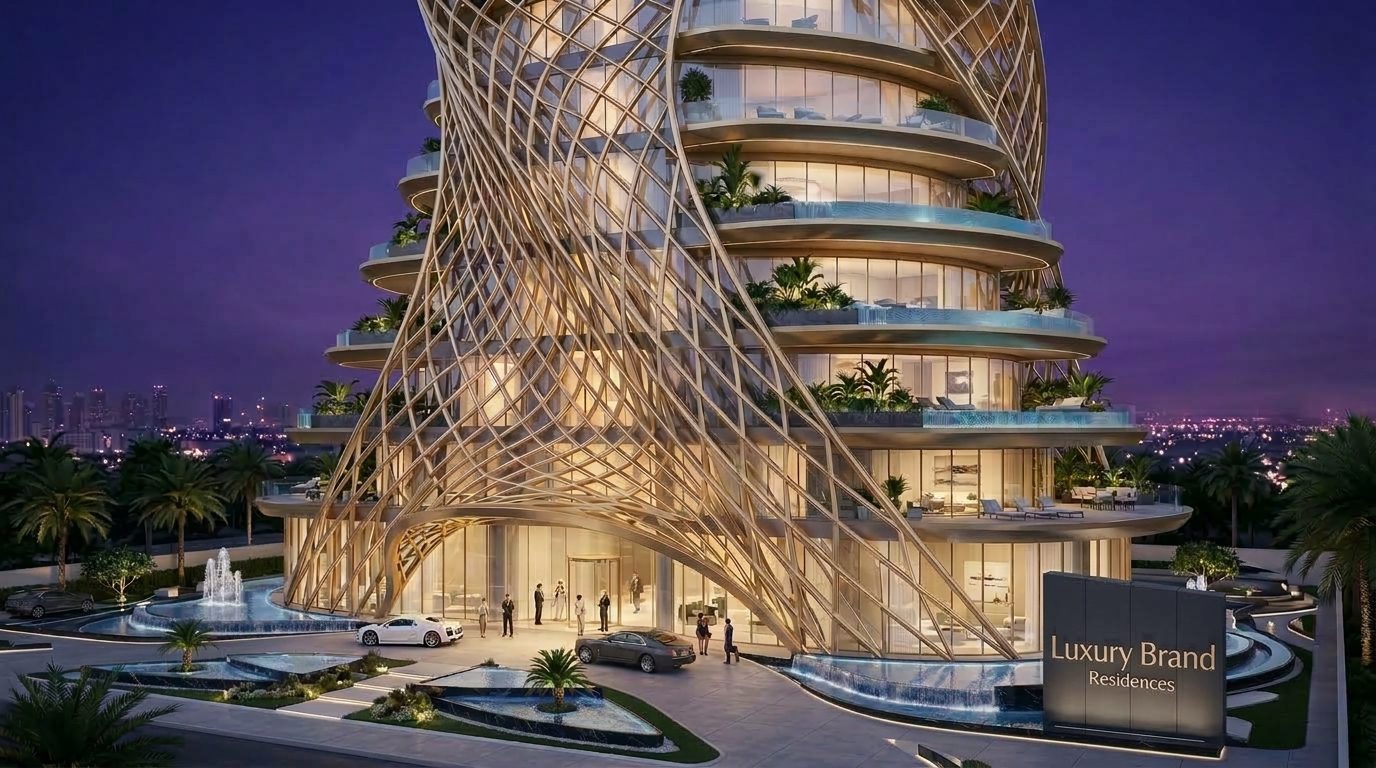
In Sydney and South East Queensland's property market, the brand behind the project is one of the most powerful commercial assets a development business can build. Extrablack explores why developer branding drives trust, pricing power, and long-term competitive advantage across every buyer profile.
Contact
To get in touch...