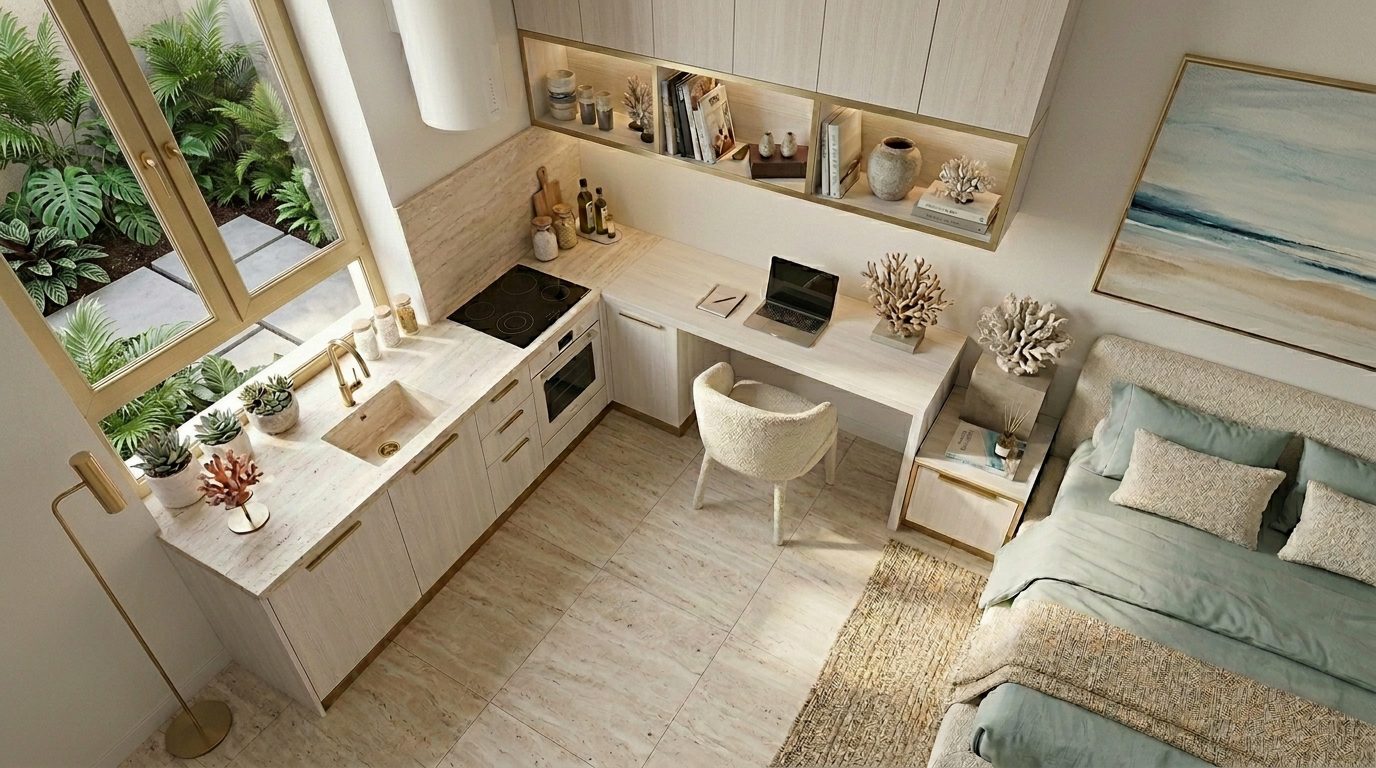
When Design Meets the Way People Live

Designing for Senior Living: How Extrablack is Shaping the Next Generation of Aged Care Environments

Australia’s over-75 population is projected to nearly double to 3.7 million by 2040, yet the sector already falls critically short of the 67,000 new units needed by 2030. Waitlists are growing, residential aged care is under pressure, and demand for home care has more than tripled. For designers, developers and operators, this is reshaping how senior living environments need to be conceived, designed and built and Extrablack is playing an important role.

A Sector Redefining Itself

Australia’s senior living sector is going through a genuine shift. The way people think about these environments has changed, and the expectations coming with it are worth paying attention to. What was once seen primarily through the lens of care is now shaped just as much by lifestyle, independence, wellbeing and dignity. Residents aren’t simply relocating. They’re right-sizing into communities designed to support a richer, more connected way of living.

Our Growing Portfolio

It’s a shift we’ve become deeply immersed in at Extrablack through a growing portfolio of senior living and aged care projects, including multiple sites with, Levande Cardinal Freeman, Levande Castle Hill, Levande Oatlands, Uniting Waverley, Uniting Gordon, Uniting Charlestown and Uniting Westmead. Our experience reflects something we believe strongly: the direction the industry is heading aligns closely with the way we already think about design, people-first, how they feel, sense of well-being and pride.

Where Our Expertise Transfers

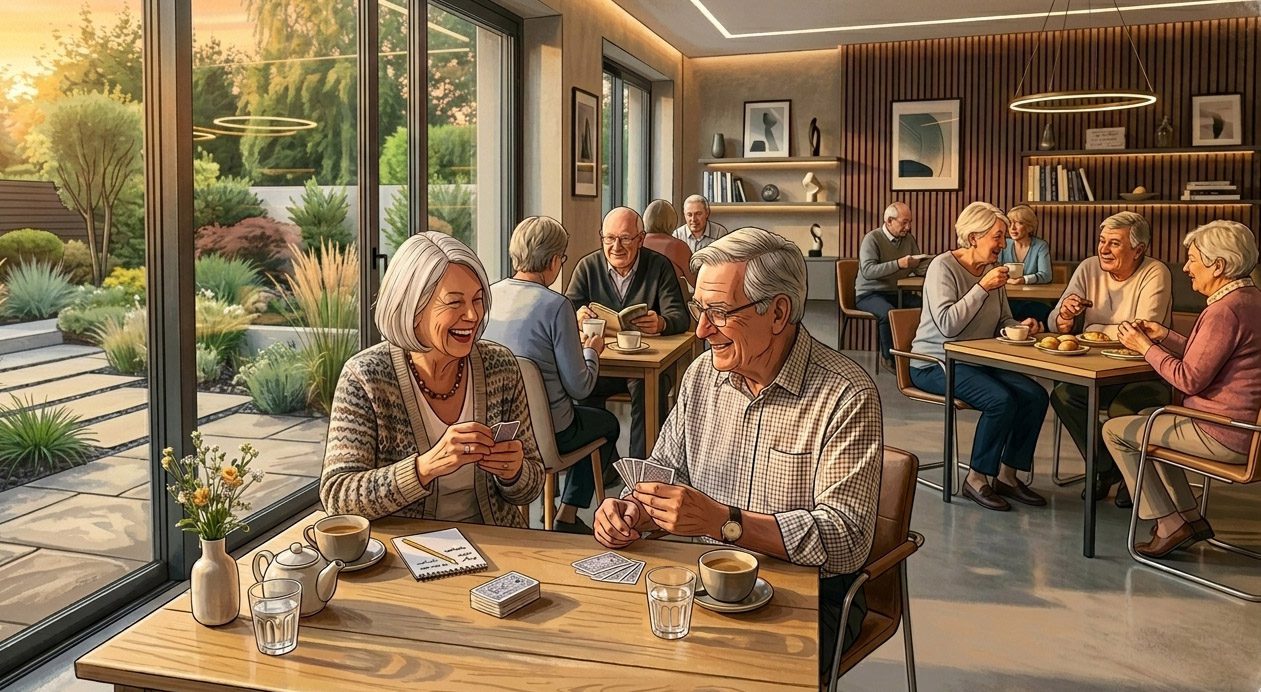
A lot of senior living environments today are drawing influence from hospitality, wellness and leisure. Shared dining spaces feel more like boutique hotels. Wellness facilities and communal amenities have moved from an afterthought to the centre of the experience. Landscaped gardens, lounges and social spaces are being designed to encourage connection, movement and independence, not simply to support care outcomes.

This is where our experience across hospitality, workplace, leisure and education becomes genuinely transferable.

Designing for Duty of Care

Designing environments that require clear organisation, intuitive movement and strong duty of care has given us a real understanding of how people navigate complex spaces. Educational environments in particular demand carefully considered user journeys, layered communication and spaces that support a wide range of cognitive needs. Those same principles carry enormous value within senior living settings.

Signage That Supports, Not Directs

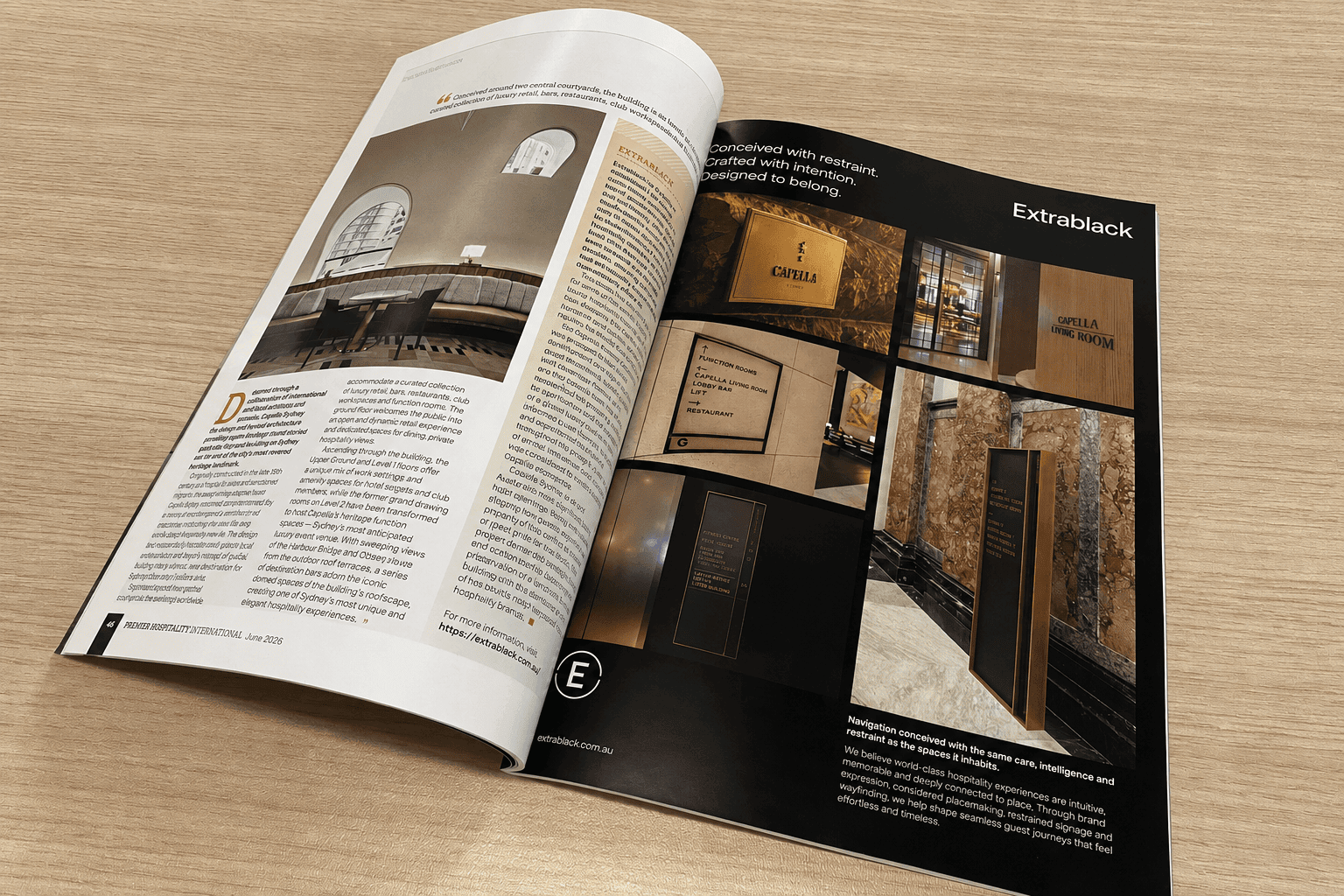
Signage and wayfinding in these environments are rarely just about directions. It becomes part of how people feel, creating a sense of belonging and peace of mind through reassurance.

For an ageing population, navigation often relies on more than text alone. Memory cues, recognisable landmarks, colour differentiation and familiar visual references can help residents build confidence and independence within a space. For neurodiverse users or visitors unfamiliar with the environment, information needs to be carefully sequenced and delivered in a way that feels calm, clear and intuitive.

Architecture itself often presents challenges too. Buildings evolve. Extensions are added. Circulation paths become complicated. In those situations, signage plays an important role in simplifying journeys and reducing cognitive load, without visually overwhelming the environment in the process.

We see successful wayfinding as something that quietly supports people rather than directing them overtly. The best environments are the ones that feel instinctively easy to move through.
Designing for Living Well

As the senior living sector continues to redefine itself, we see real opportunity to help shape environments that balance operational clarity with warmth, independence and genuine quality of life. Spaces that don’t simply support ageing. Spaces that support living well.

Contact

To get in touch...