

Shaping Hospitality Experiences
Hospitality is built on experience. Long before a meal is served or a hotel room is entered, people begin forming impressions through the spaces around them. The arrival sequence, the atmosphere, the ease of movement, the visual identity and the subtle cues that guide people through a venue all contribute to how a place is remembered.
Today, the most successful hospitality environments are no longer simply places people visit. They are places people experience, share and emotionally connect with. Hospitality has evolved beyond transactional moments into immersive environments that support connection, discovery, wellbeing and cultural engagement.
At Extrablack, we believe the best hospitality experiences are the ones where every element feels considered and connected. Branding, signage and wayfinding are not simply functional layers added at the end of a project. They are integral parts of the guest experience that help shape how people feel within a space.
Over the years, Extrablack has developed extensive experience across the hospitality sector, working on projects ranging from boutique food and beverage venues through to luxury hotels, destination dining experiences and large-scale hospitality groups. This breadth of experience has allowed us to understand the different operational, emotional and spatial needs that exist across hospitality environments, while refining an approach that balances clarity, atmosphere and brand expression.
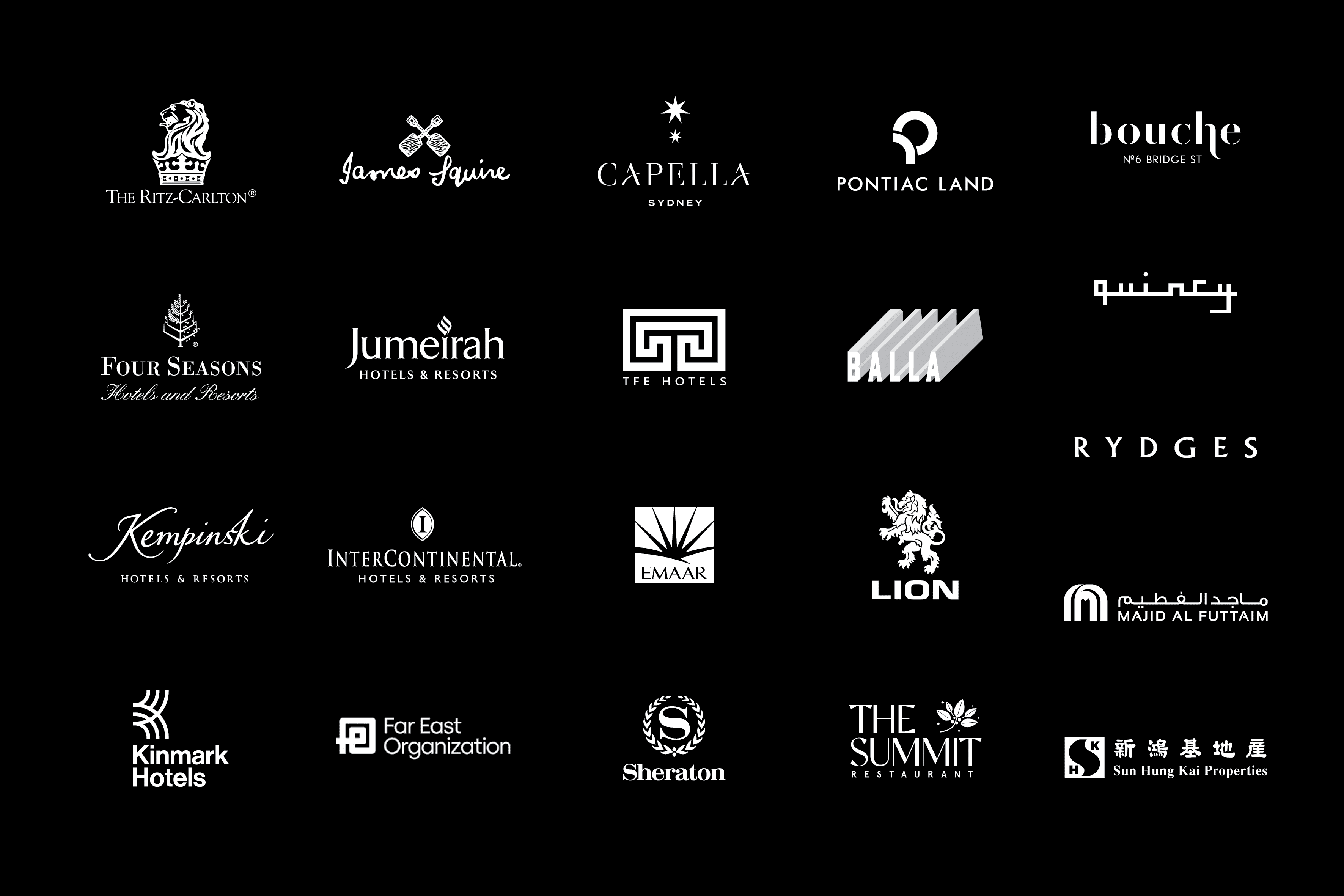
Our hospitality portfolio includes projects such as Capella Sydney, The Ritz-Carlton Hong Kong, Kempinski Hotel, Four Seasons Hotel, Osteria Balla, Bouche on Bridge, Kinmark Hotels and James Squire. Each project brought a unique challenge and audience, yet all shared a common goal: creating environments that feel intuitive, memorable and deeply connected to the overall guest experience.
Designing Hospitality Experiences Beyond Aesthetics
Hospitality design is often associated with interiors, finishes and visual atmosphere, but the guest experience extends far beyond aesthetics alone. Some of the most important design decisions within hospitality are the ones people barely notice.
A guest arriving at a luxury hotel should feel calm and welcomed rather than overwhelmed or uncertain. A restaurant should feel easy to navigate without relying on excessive signage. A hospitality precinct should guide visitors naturally through the environment without creating visual clutter. These moments of clarity contribute significantly to how people experience a space.
Increasingly, hospitality design is also being shaped by wellbeing. Calm, intuitive environments that reduce friction and create a sense of ease have become an essential part of the guest experience. People are drawn to spaces that feel effortless to move through and emotionally comfortable to inhabit.
This is where thoughtful signage, wayfinding and brand integration become essential. At Extrablack, we approach hospitality projects by first understanding how people move through and interact with a venue. We consider the operational flows, guest expectations, architecture and emotional tone of the environment before developing a design response.
Rather than overpowering a space, our goal is to create solutions that feel seamless and integrated. The best hospitality signage is often the signage guests hardly notice because it simply works.
This philosophy becomes especially important within luxury hospitality environments, where restraint and refinement shape the guest experience as much as the architecture itself.
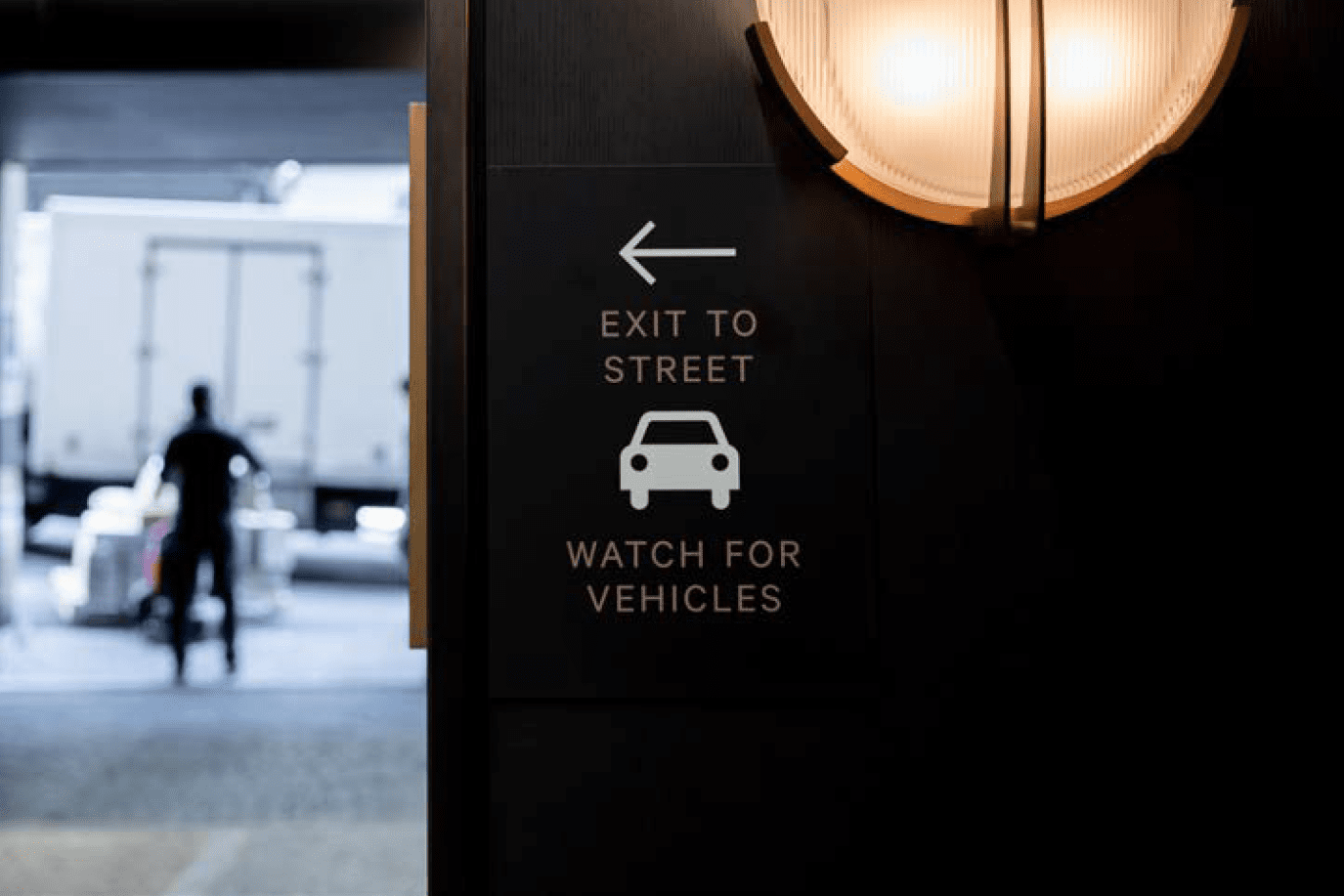
Luxury Hospitality and the Art of Restraint
One of the defining characteristics of luxury hospitality design is restraint. Premium environments rarely rely on loud visual communication or excessive branding. Instead, they create confidence through clarity, consistency and subtle detail.
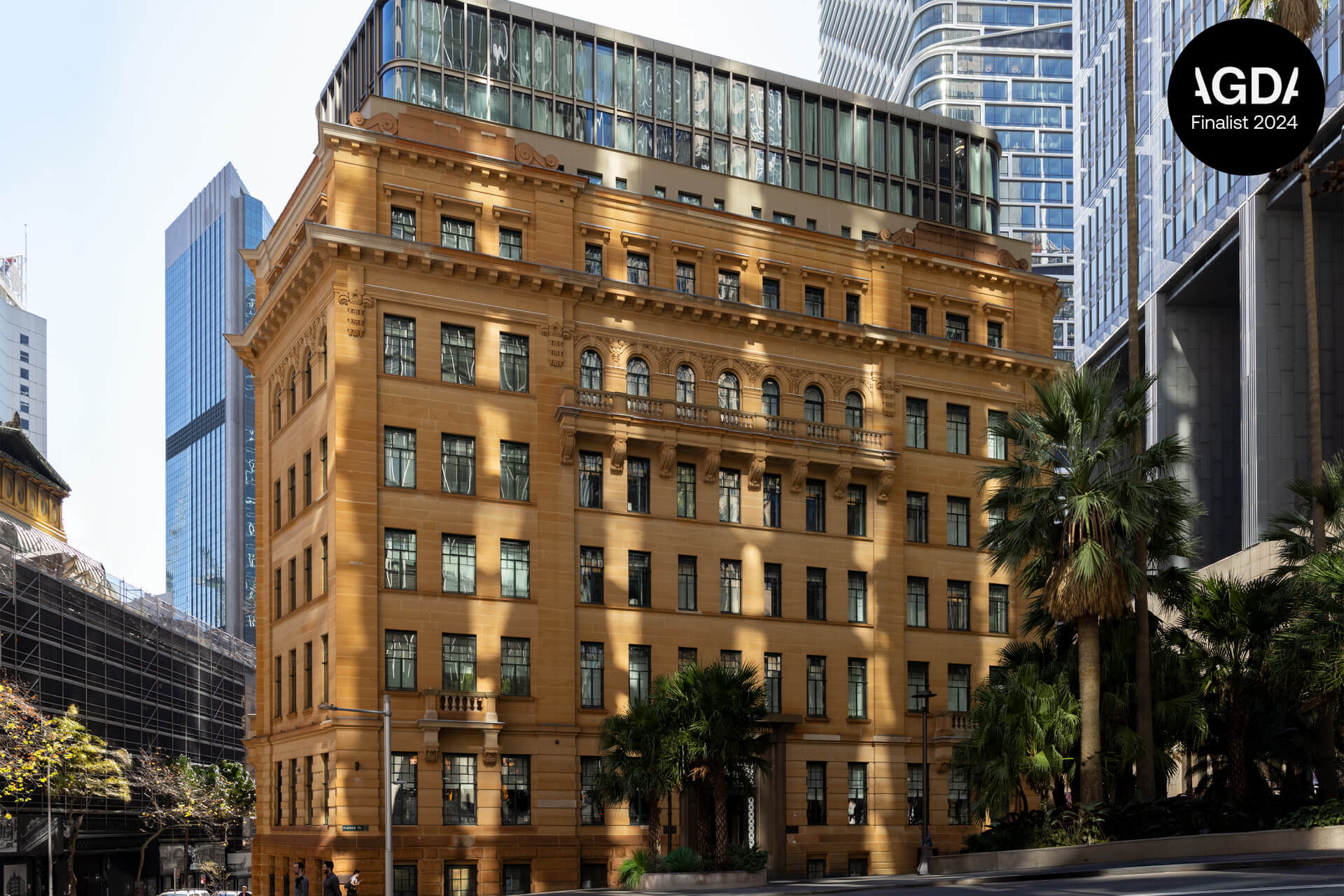
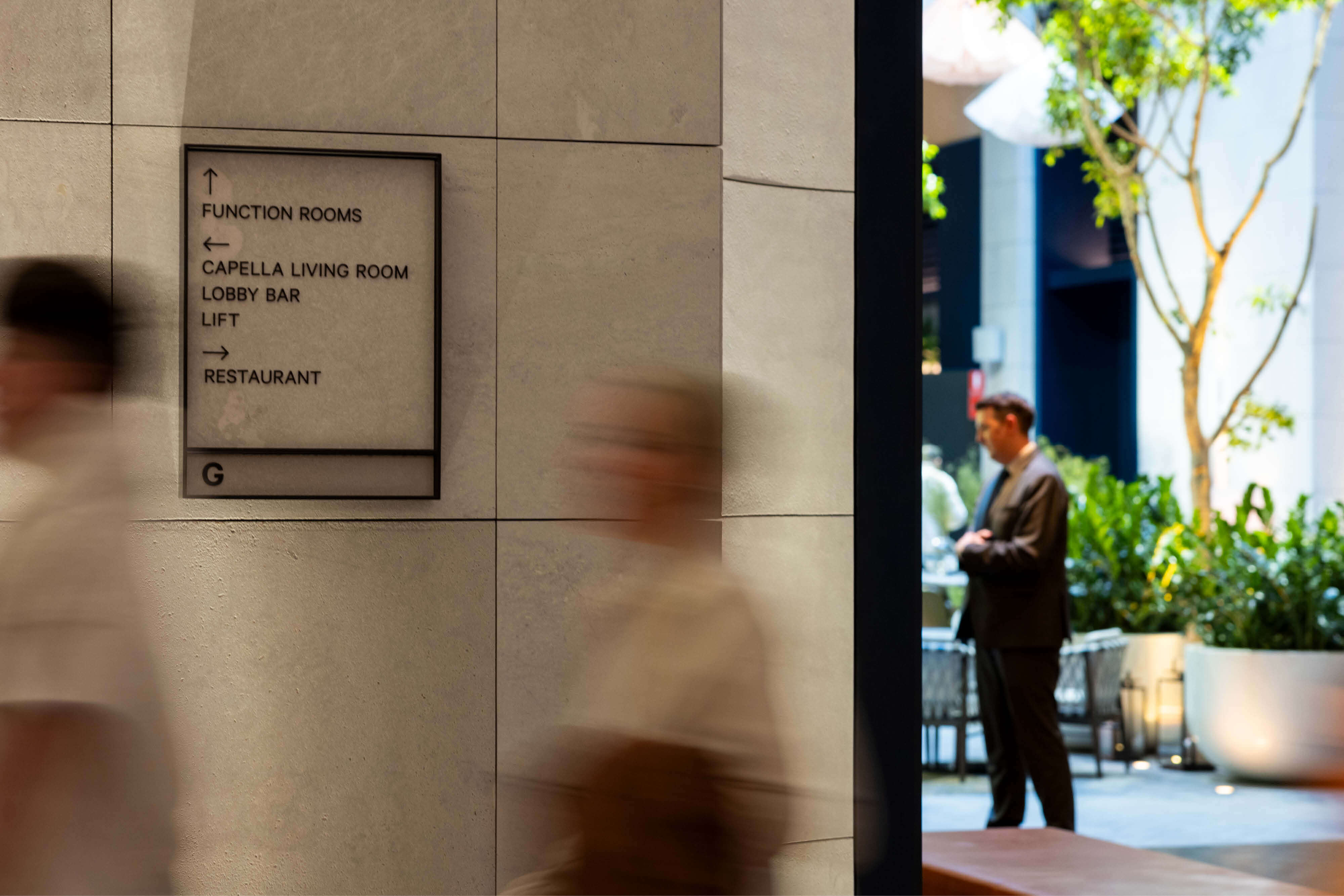
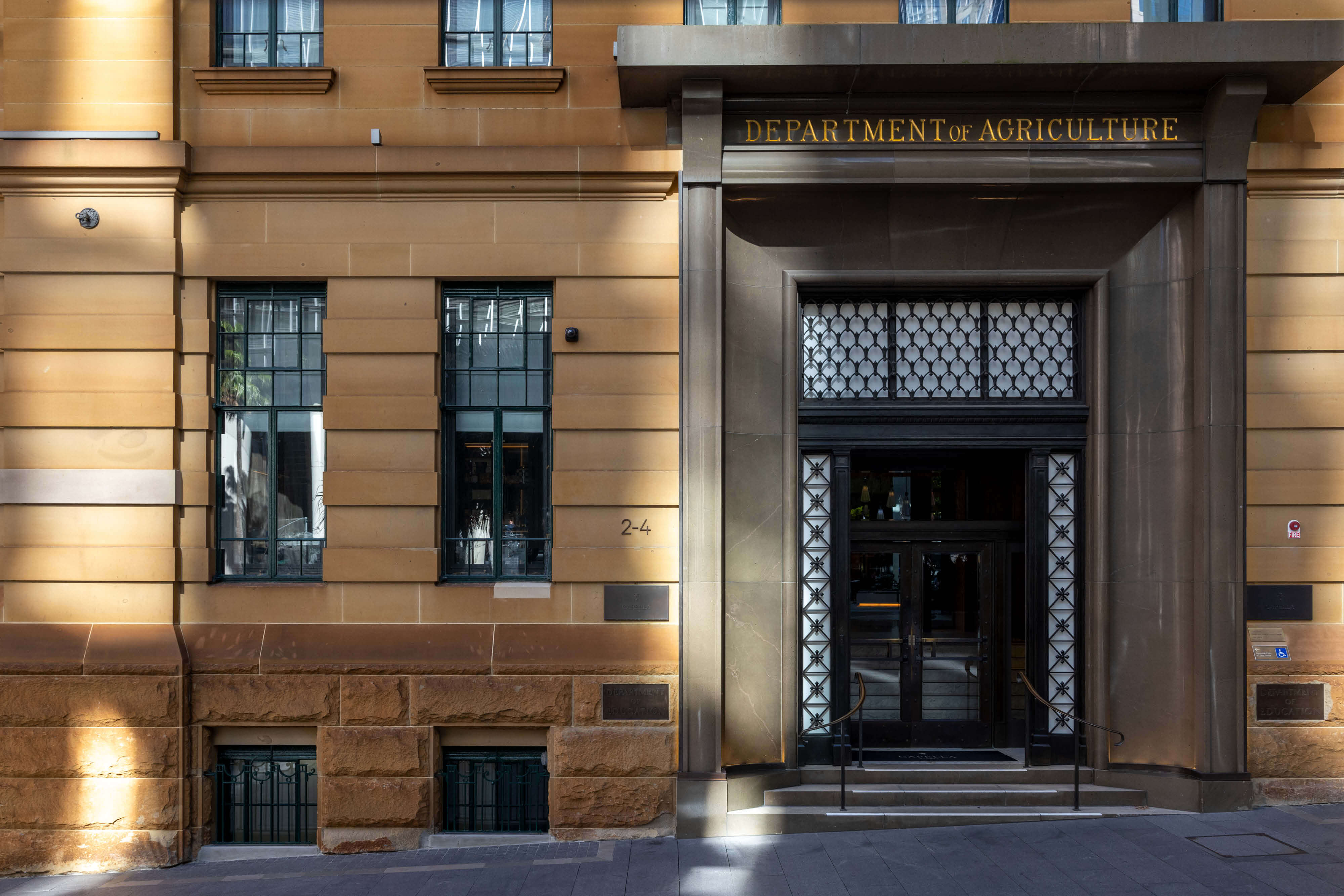
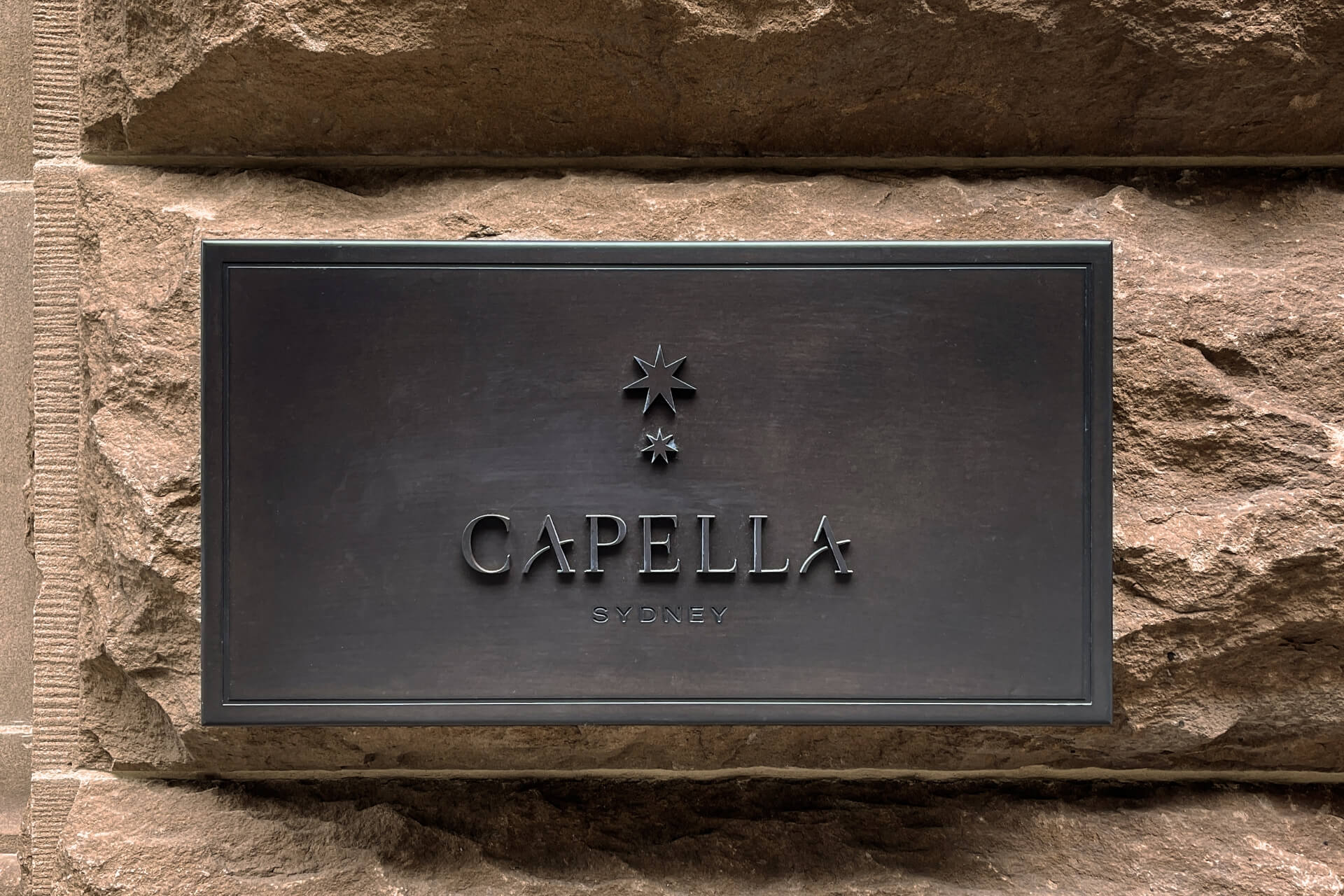
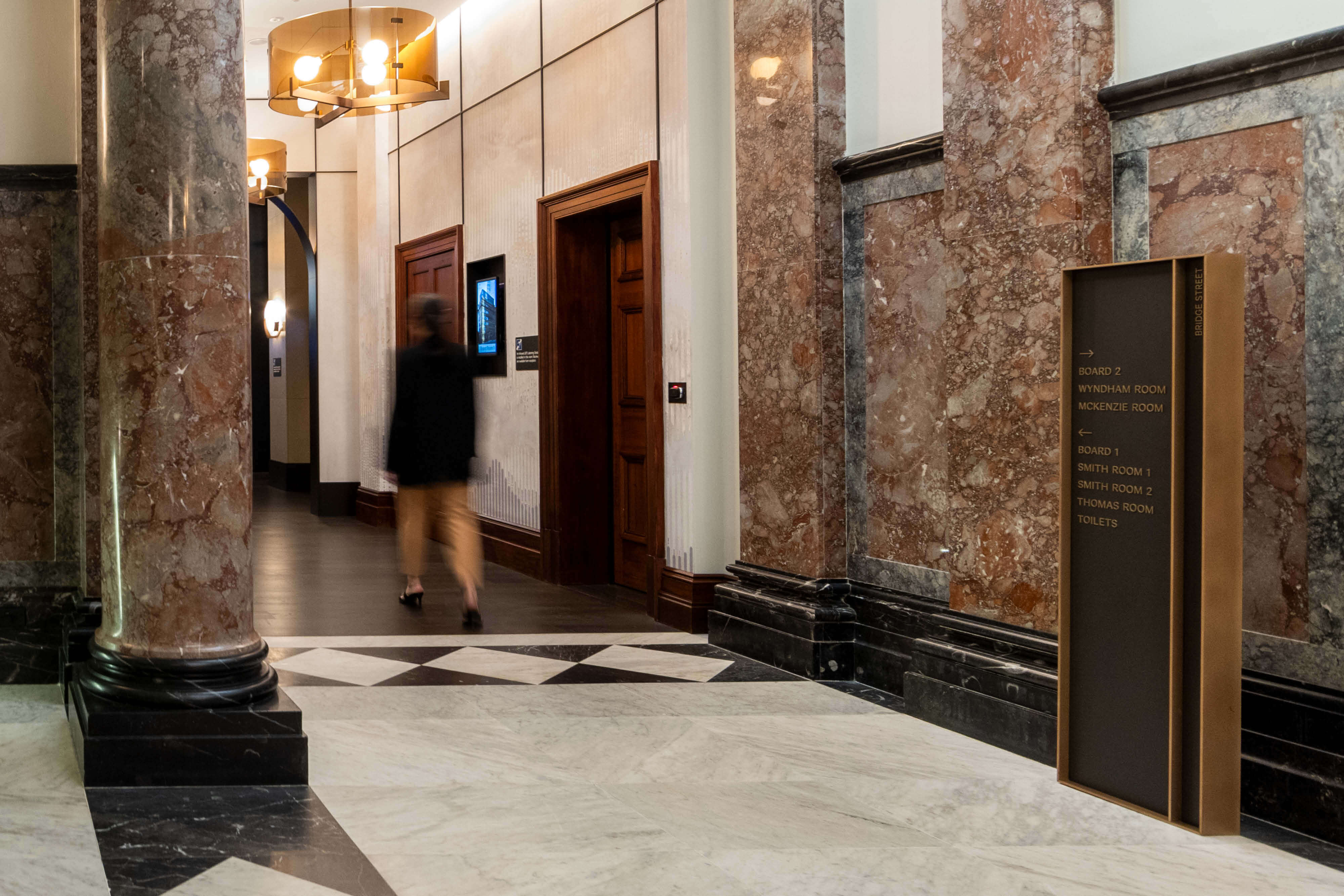
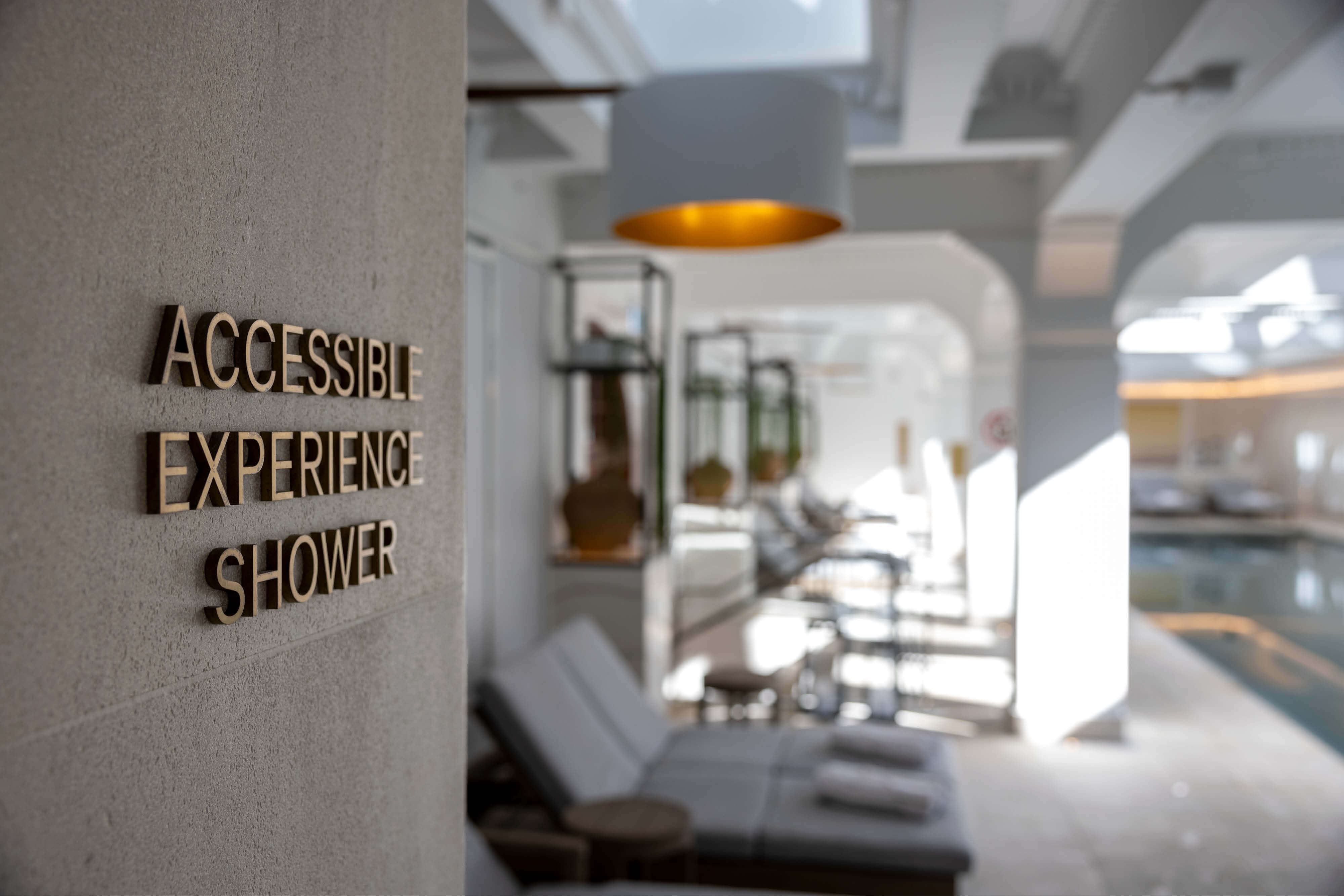
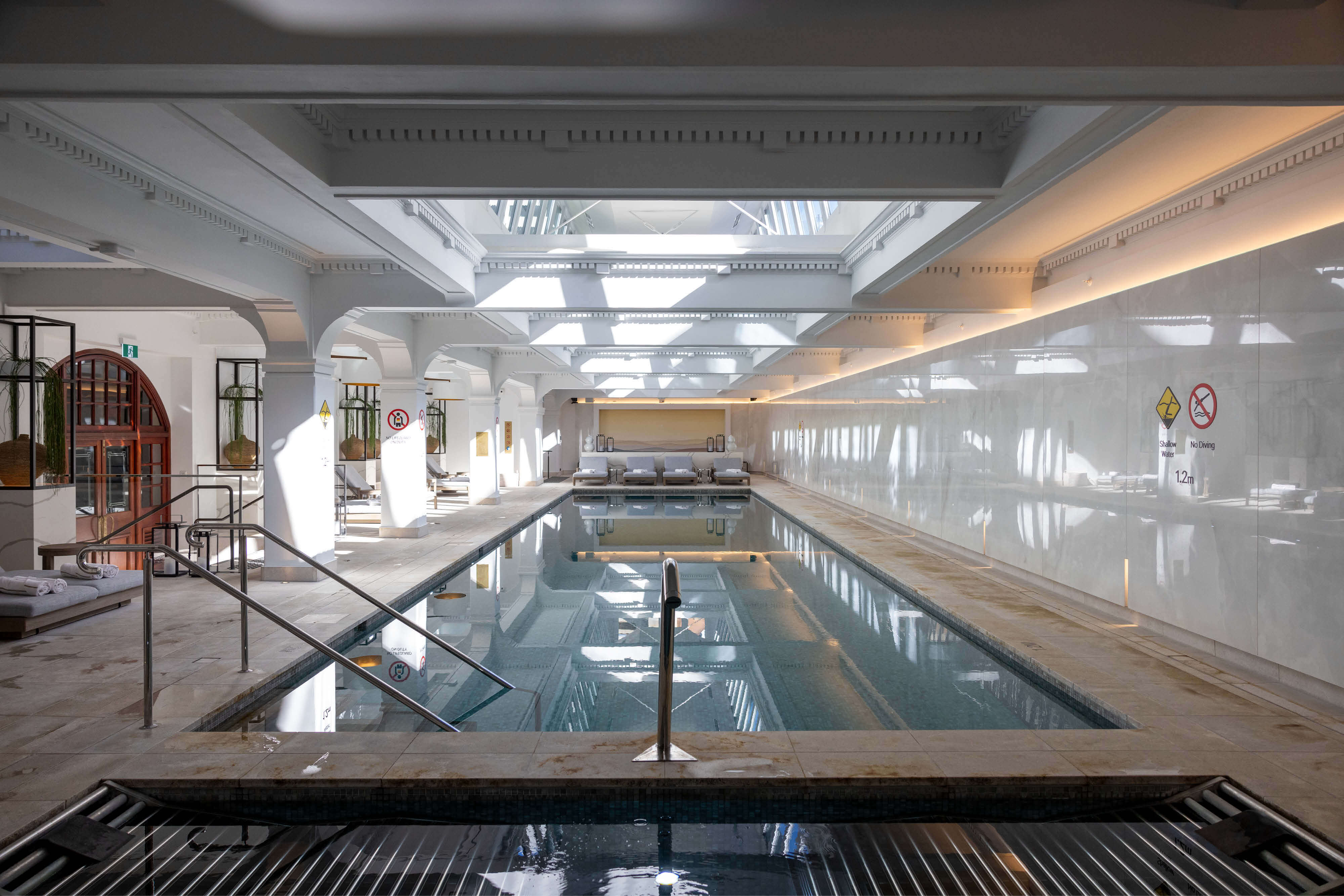
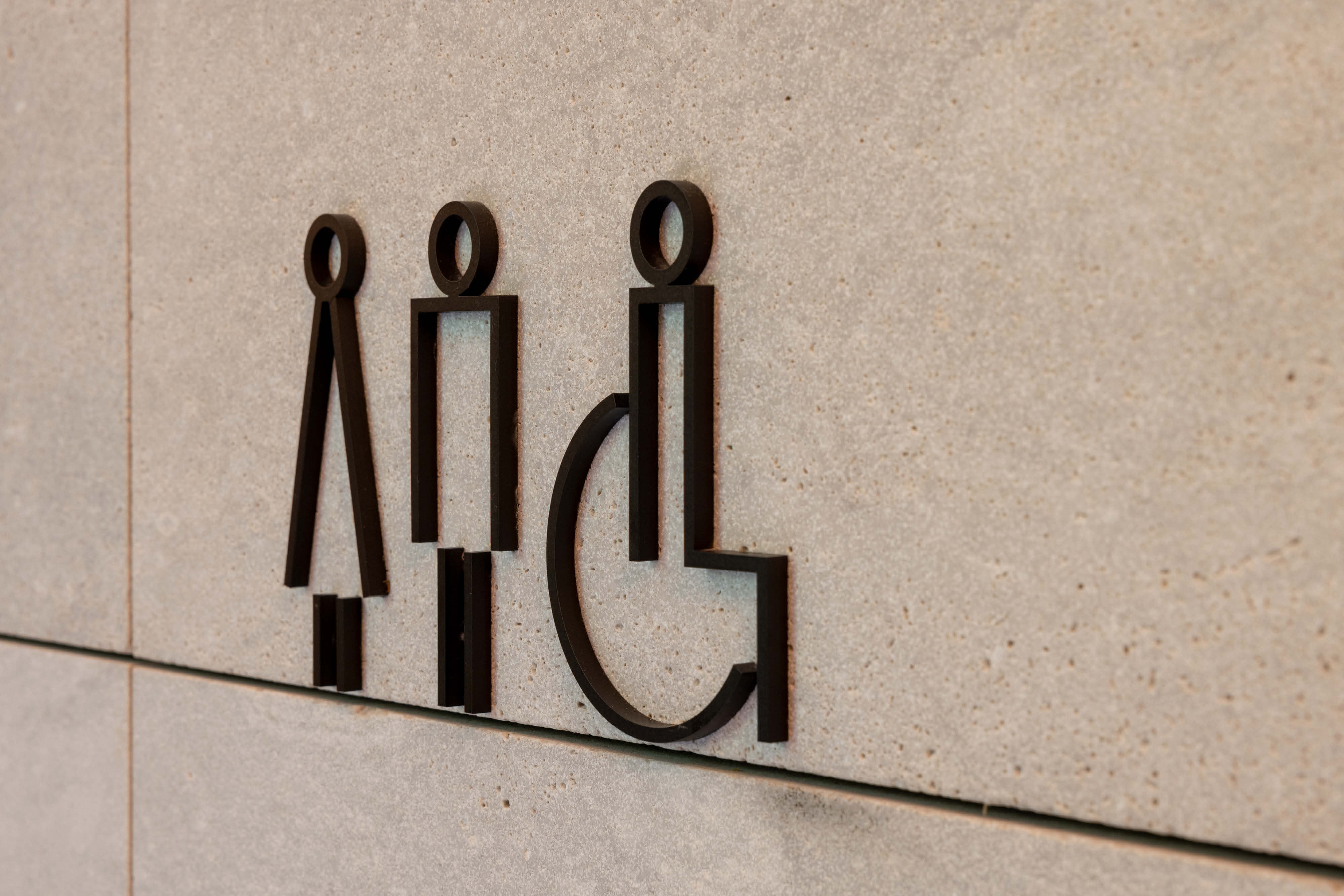
This philosophy was central to our work on Capella Sydney, where Extrablack developed a signage and wayfinding approach that carefully balanced heritage sensitivity with contemporary luxury hospitality expectations.
Housed within the restored Department of Education and Department of Lands buildings in Sydney, the project required a highly considered approach that respected the significance of the architecture while supporting a seamless guest experience across the precinct.
Rather than competing with the building, the signage strategy was designed to sit quietly within the environment. Materials, detailing and placement were carefully considered to ensure the system felt timeless and understated. The result was a wayfinding experience that guides guests naturally while allowing the architecture and interiors to remain the focus.
This approach reflects a broader philosophy we bring to hospitality projects: signage should support the atmosphere of a space, not interrupt it. The most successful hospitality environments are often the ones where guests feel guided intuitively rather than consciously directed.
Hospitality Has Become More Than a Destination
At the same time, hospitality itself has evolved beyond traditional expectations. Guests are no longer simply looking for a place to stay, dine or have a drink. Hospitality venues are increasingly expected to deliver layered experiences that feel immersive, memorable and shareable.
Today’s hospitality environments often need to function on multiple levels simultaneously, as places for dining, social connection, cultural engagement, relaxation and digital sharing. Guests increasingly seek environments that feel personal, authentic and emotionally engaging, spaces that create stories worth remembering long after the visit itself.
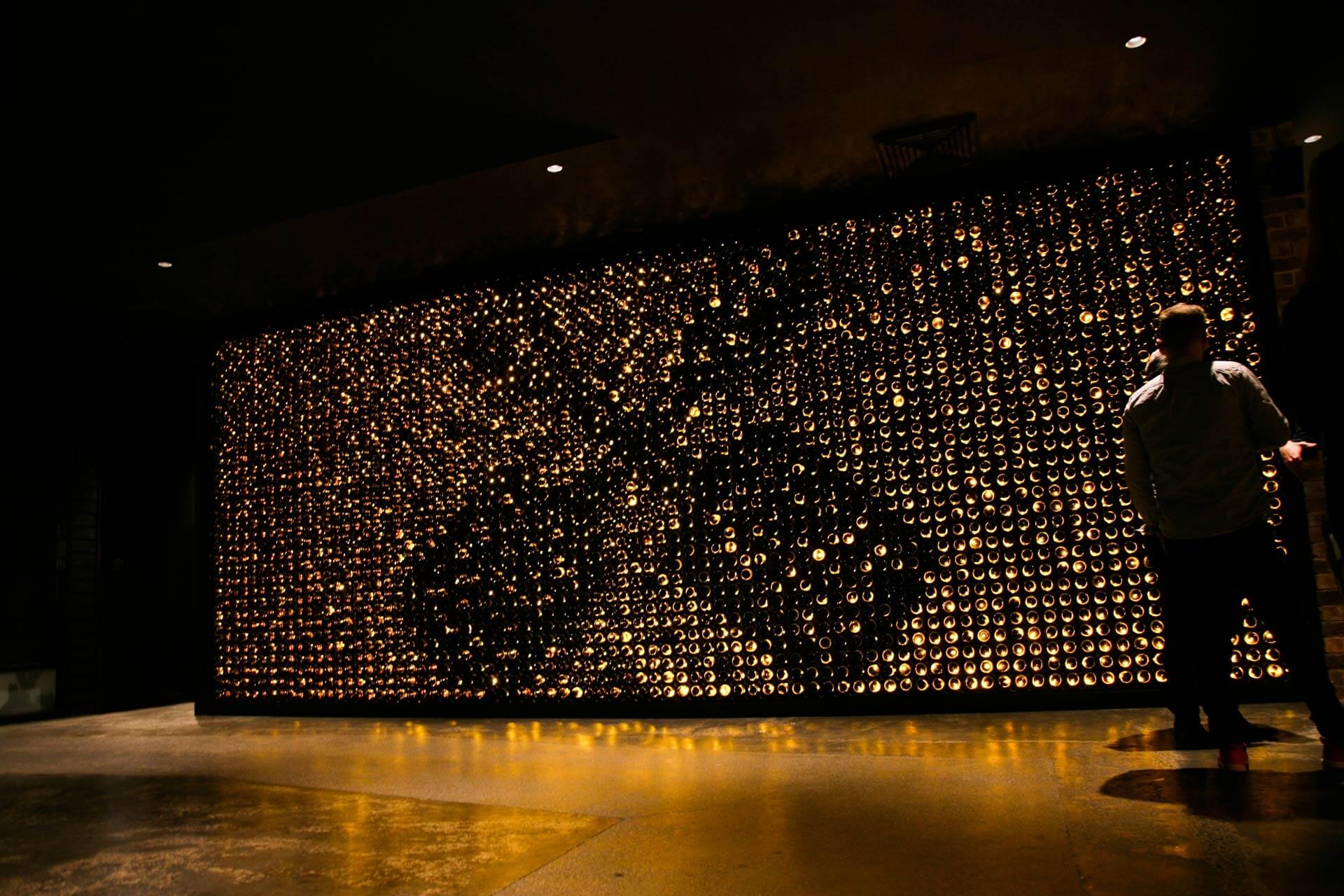
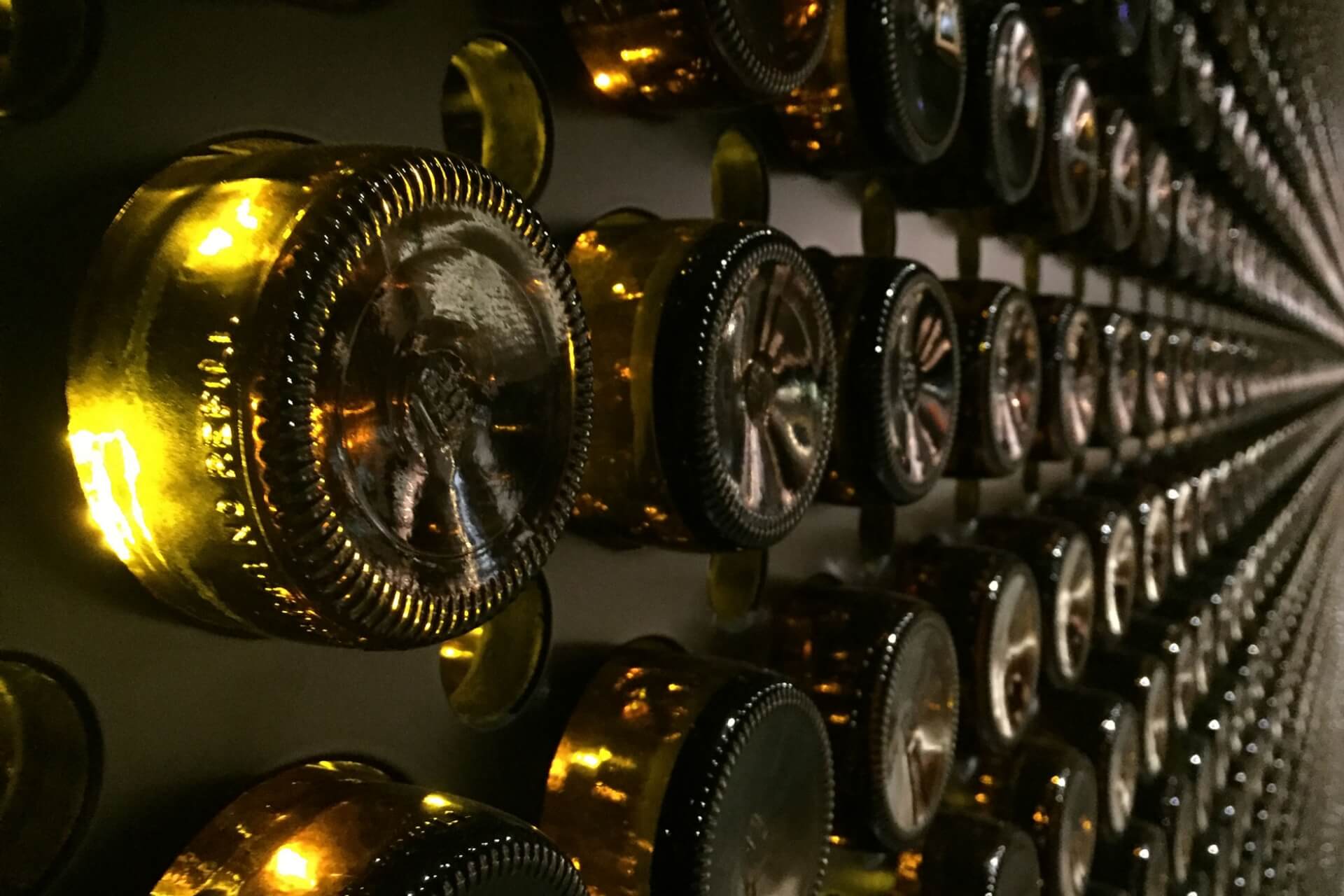
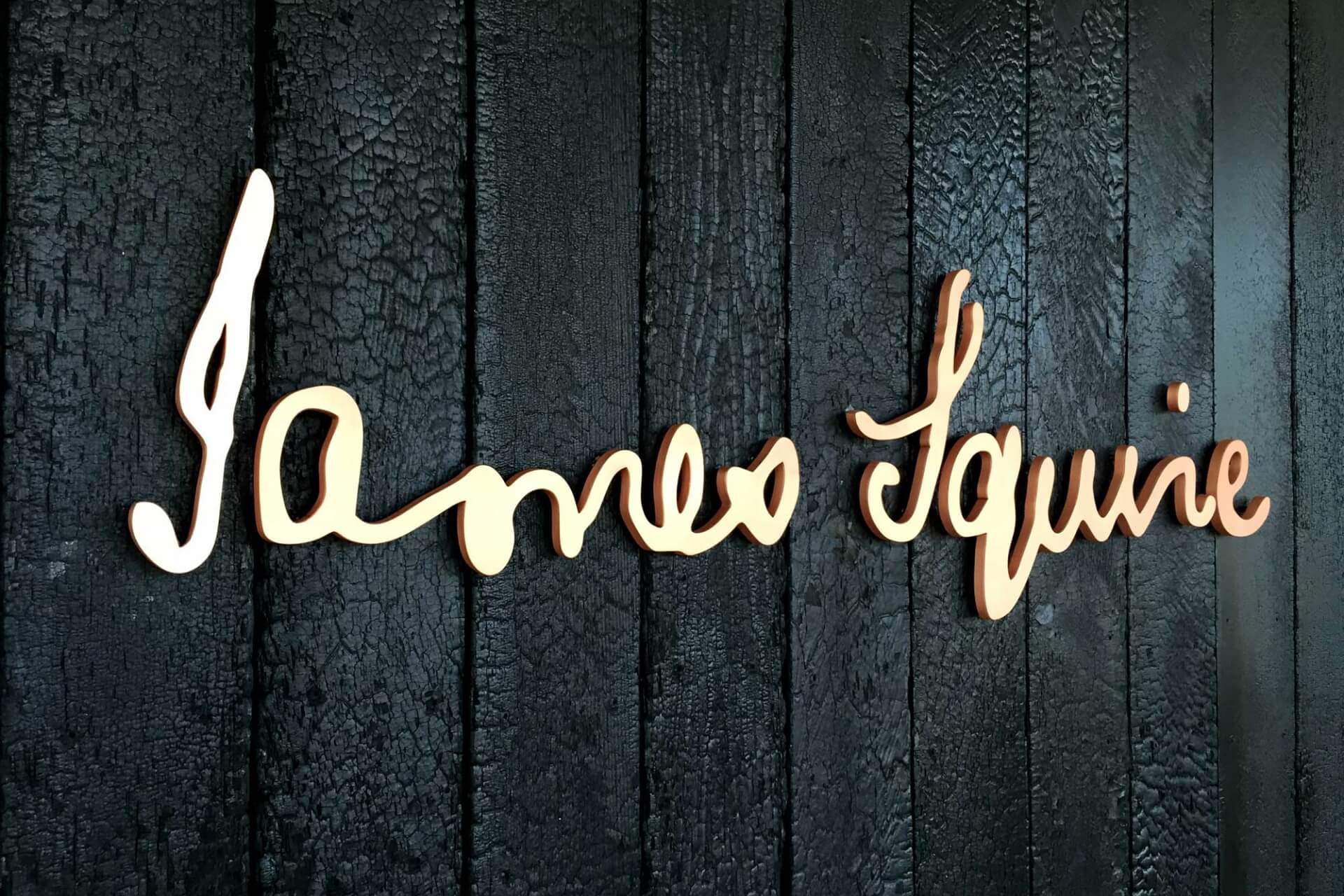
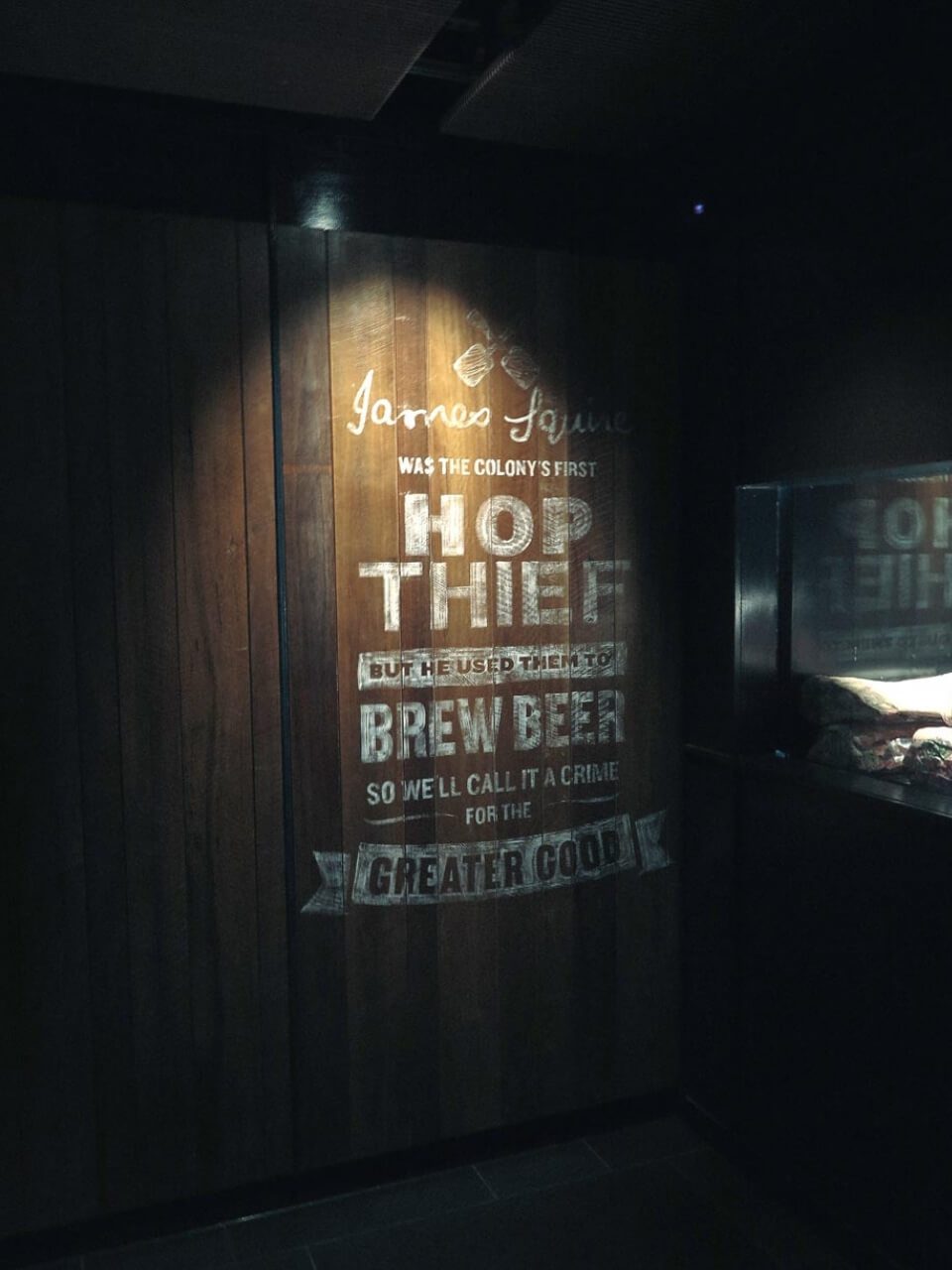
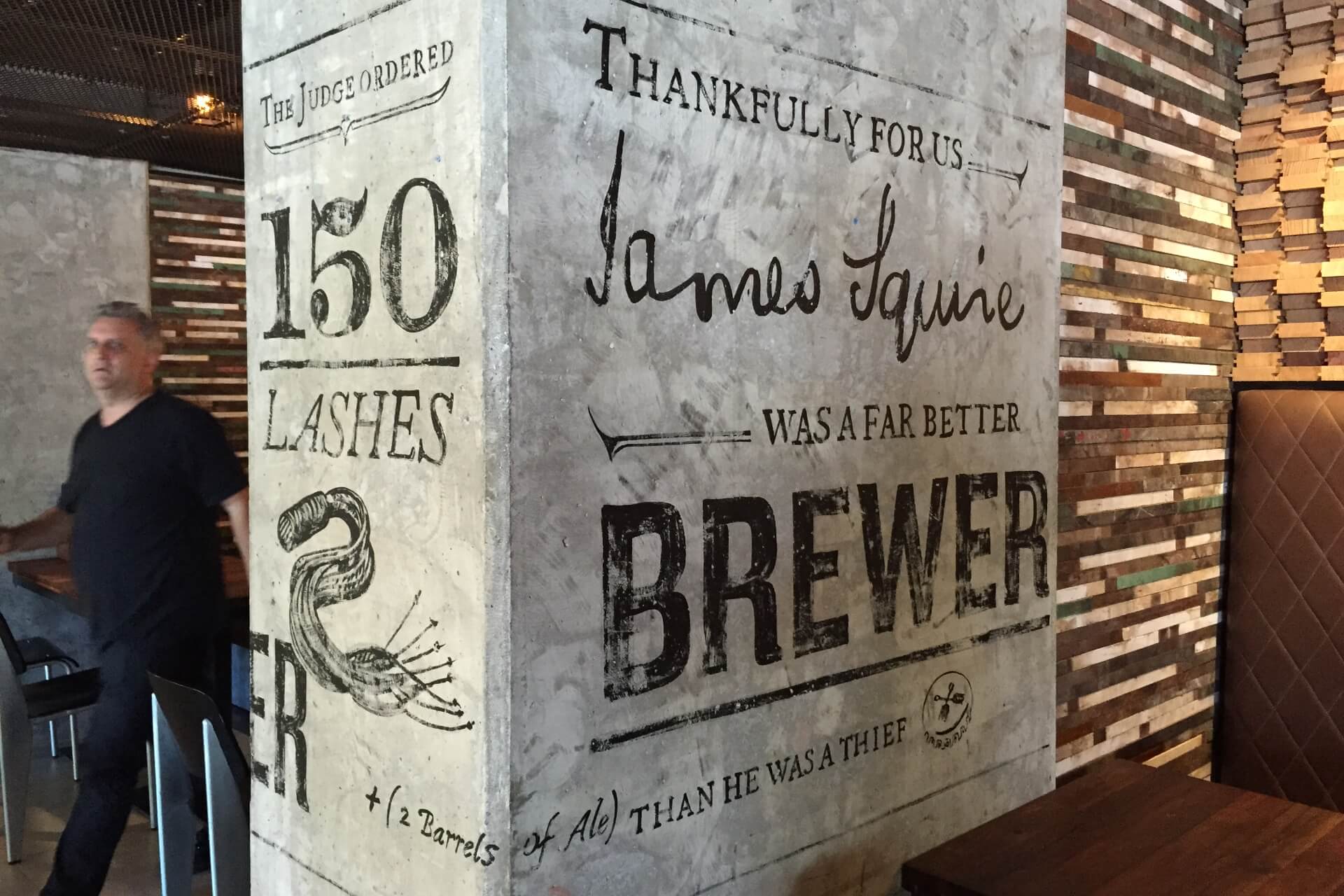
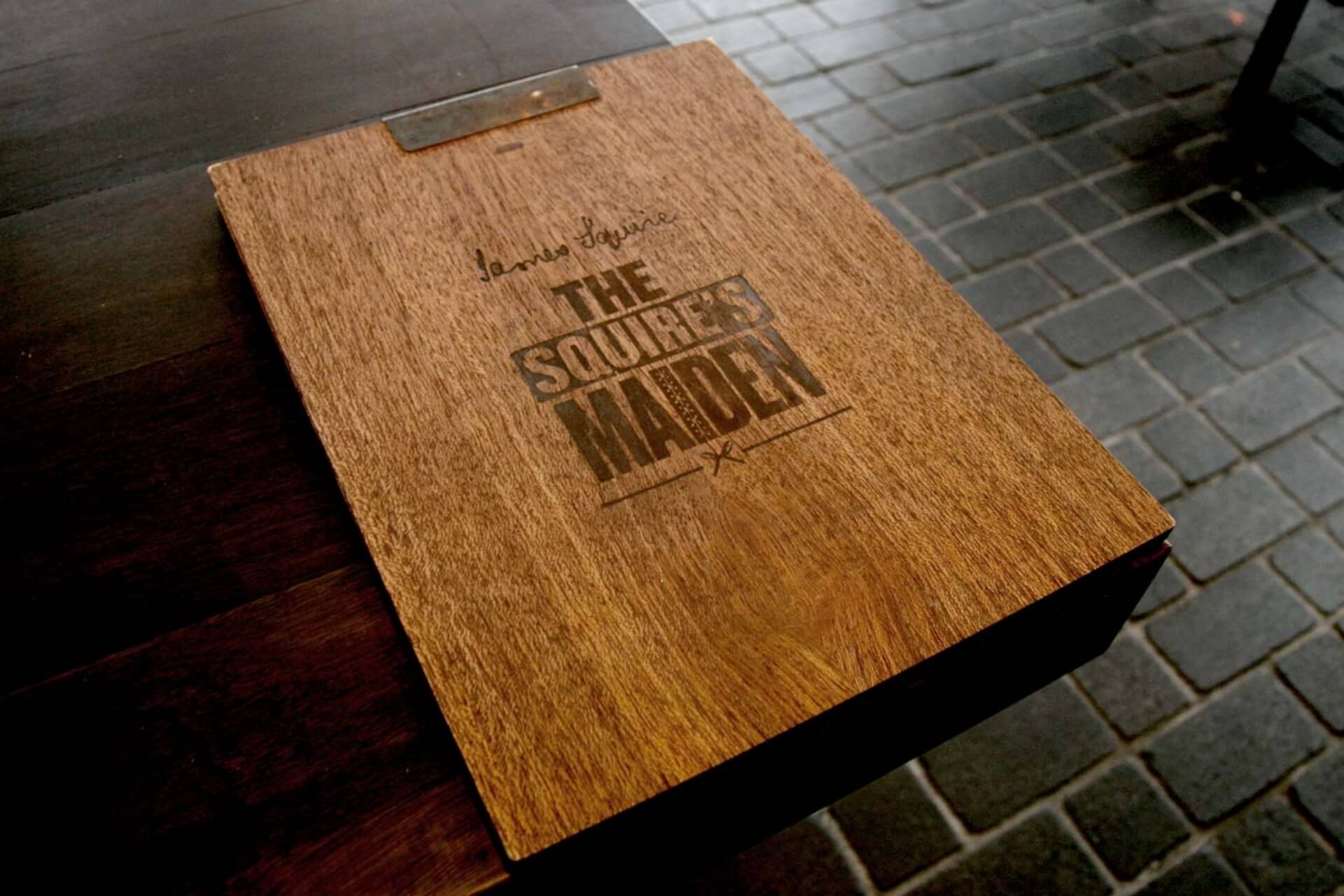
Our work for James Squire reflects this evolution in hospitality experience design. One of the defining features of the project was a large-scale glass bottle installation that transformed recycled bottles into a sculptural feature wall within the venue. More than simply an aesthetic gesture, the installation became a focal point within the hospitality experience itself, creating a memorable visual identity, a conversation piece and an immersive moment of discovery for guests.
Projects like this demonstrate how hospitality design is increasingly moving beyond pure functionality. Experiences today are shaped through storytelling, atmosphere and moments people naturally want to engage with, photograph and share. Sustainable thinking is also becoming part of the hospitality narrative itself, expressed not only through operations, but through memorable physical experiences and installations that create emotional connection.
From Restaurants to Global Hospitality Brands
While luxury hotels demand subtlety and refinement, food and beverage venues often require a different type of energy and personality. Hospitality branding needs to create emotional connection while also functioning effectively across physical spaces, digital touchpoints and operational systems.
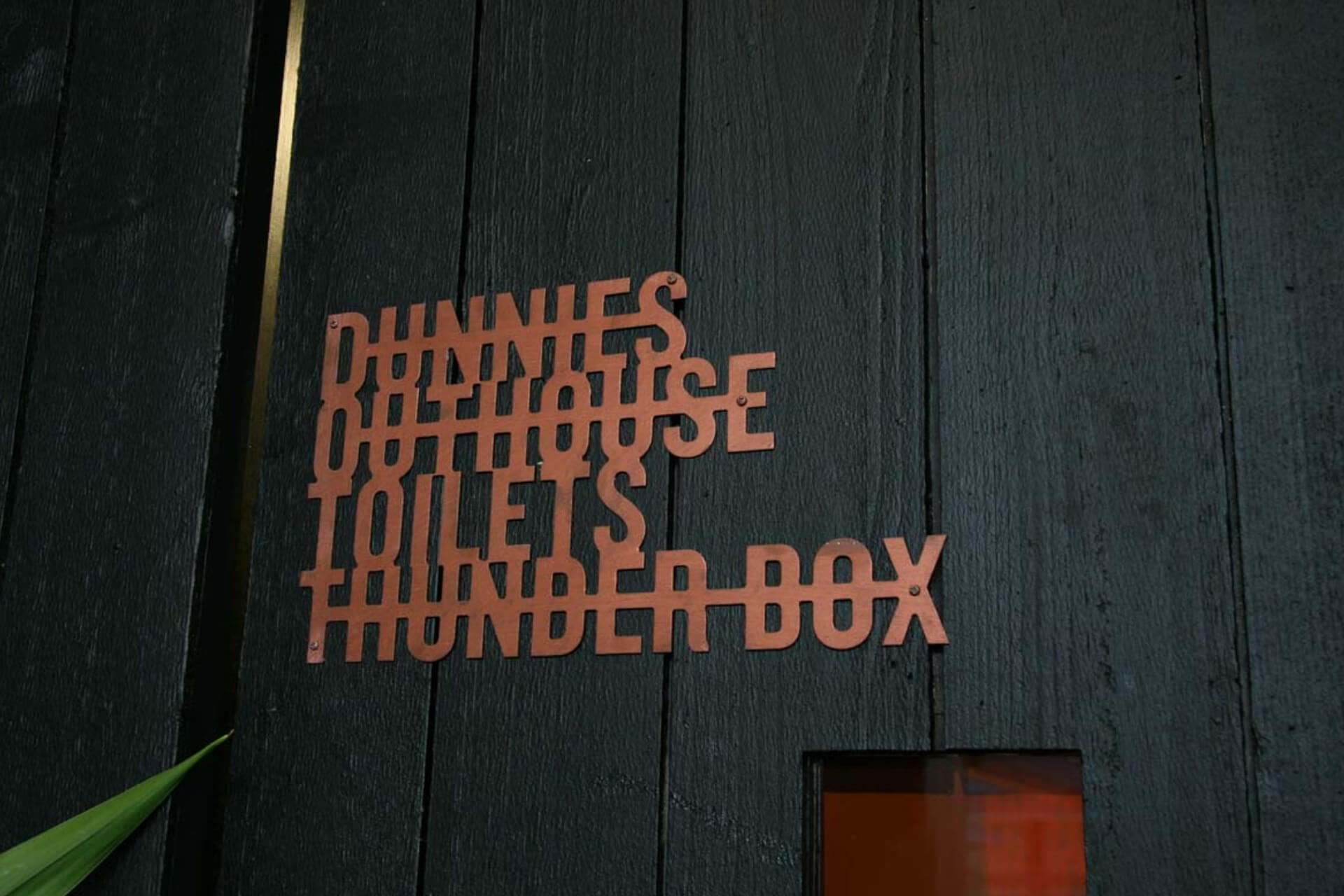
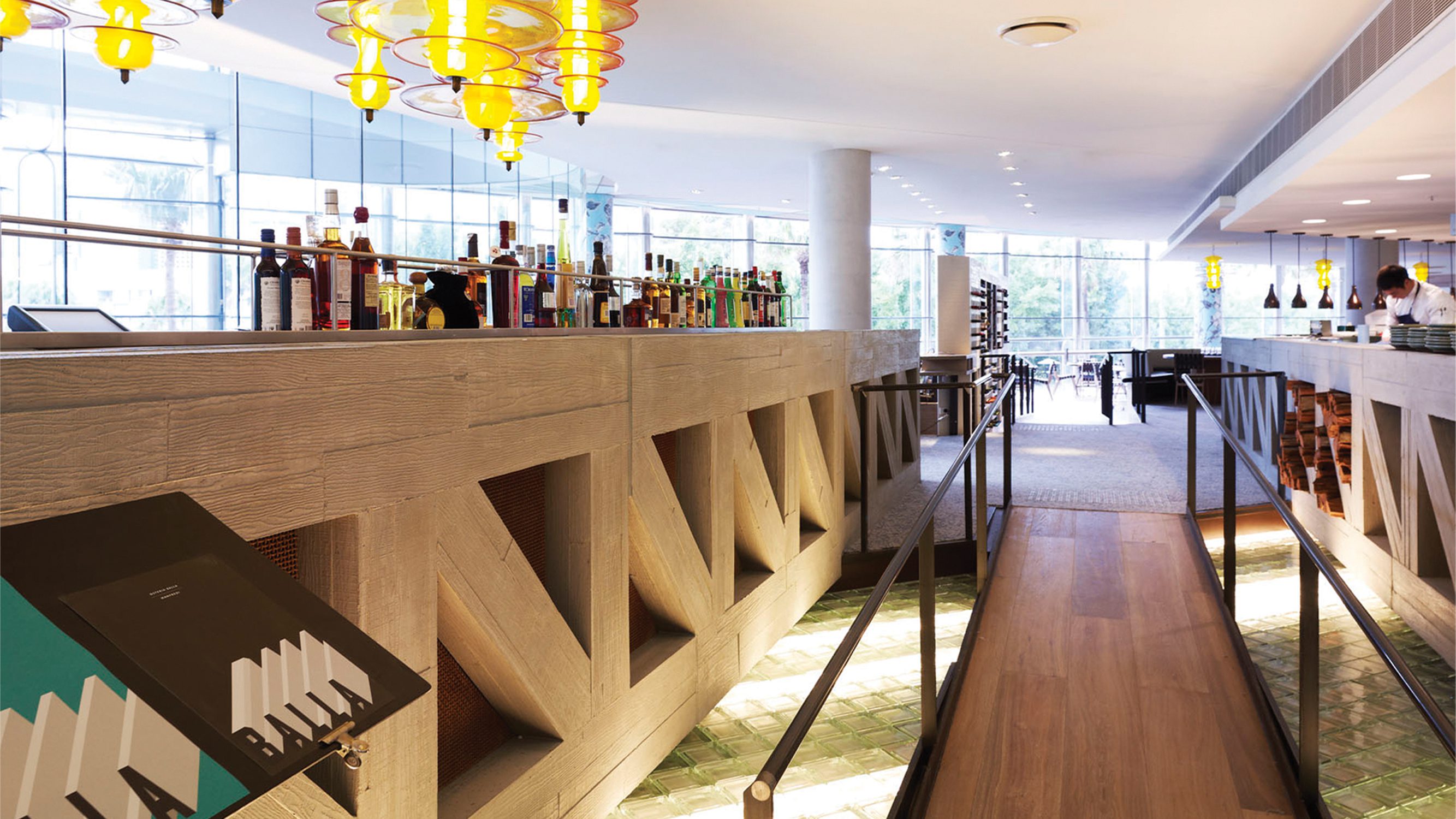
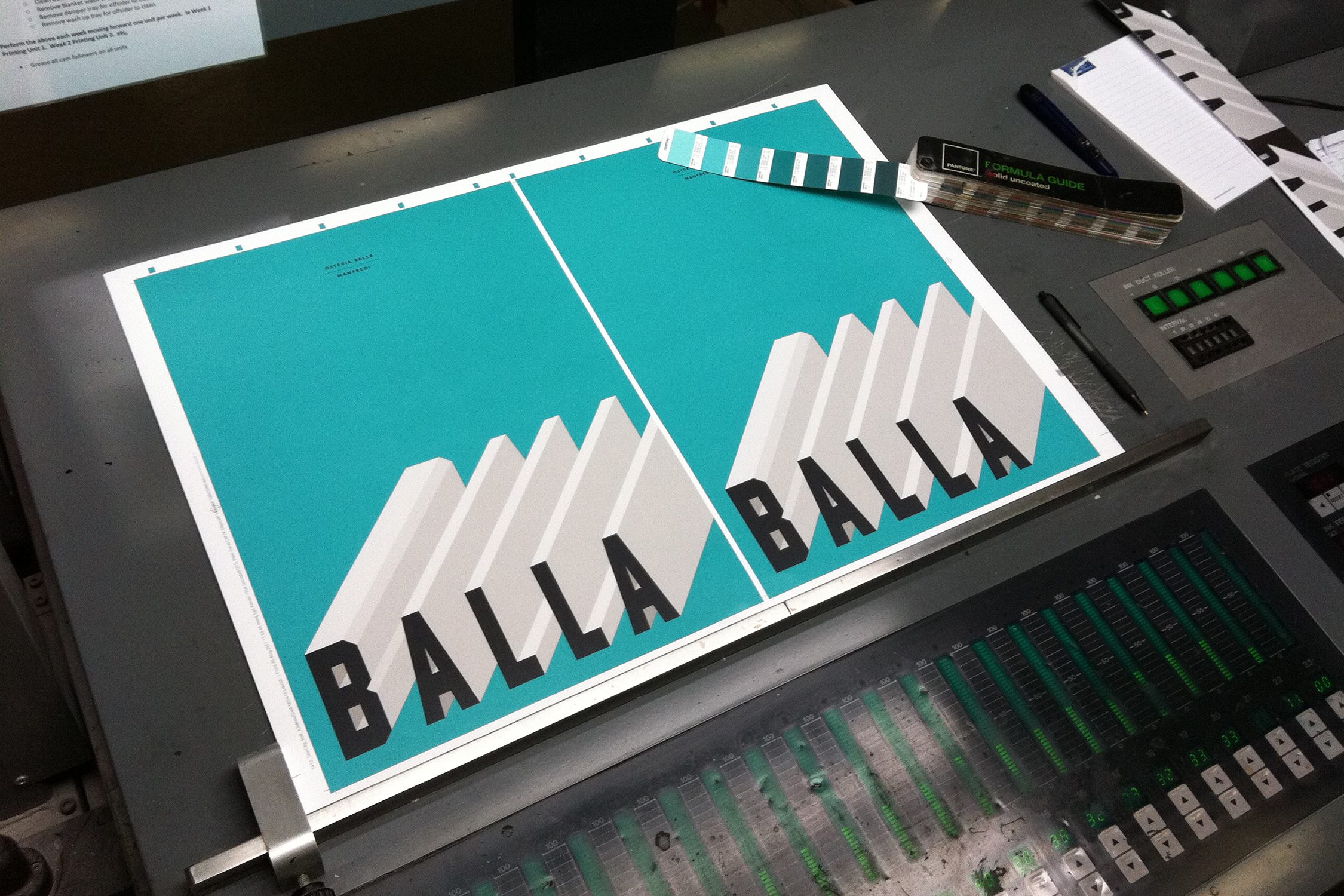
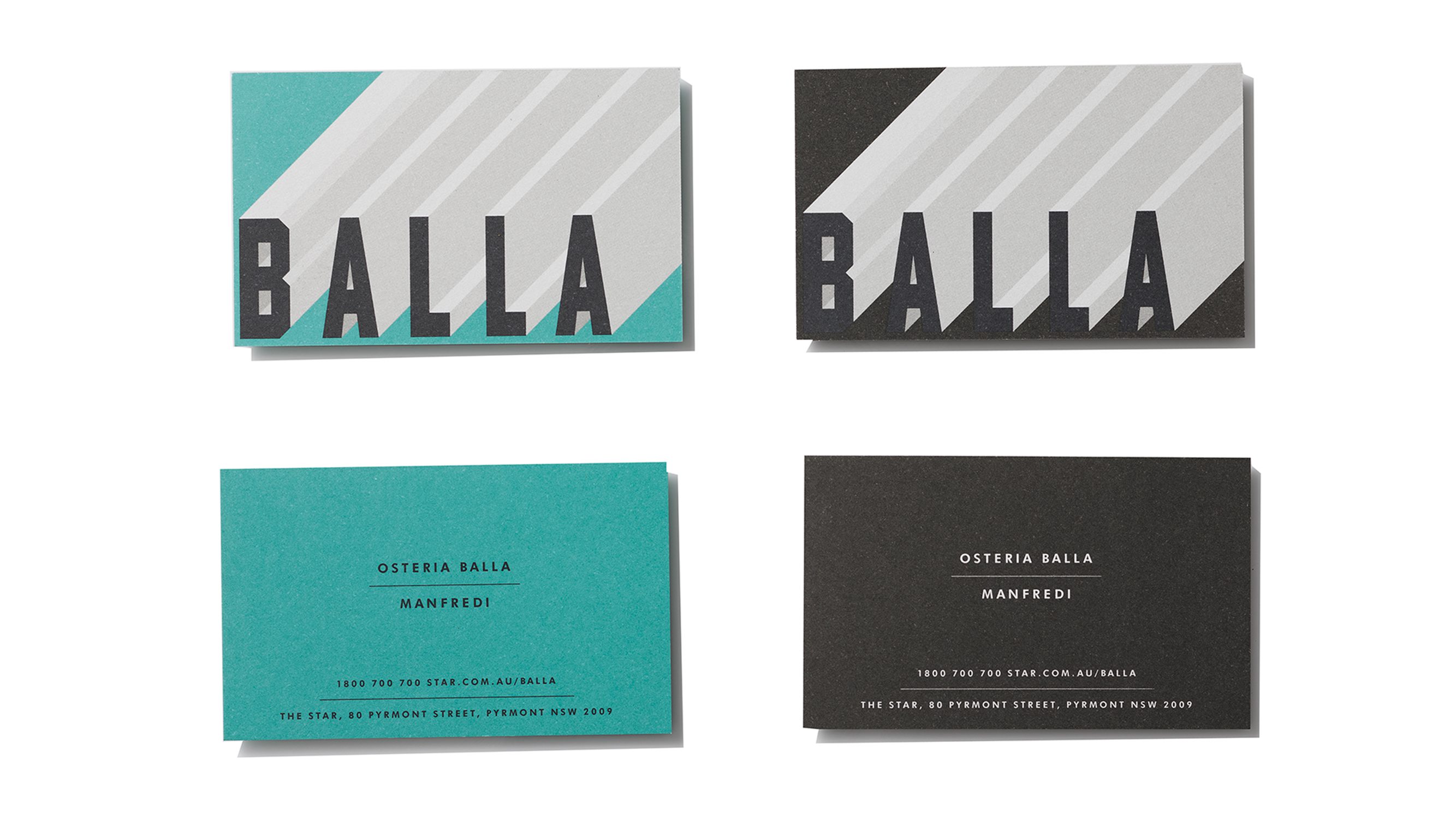
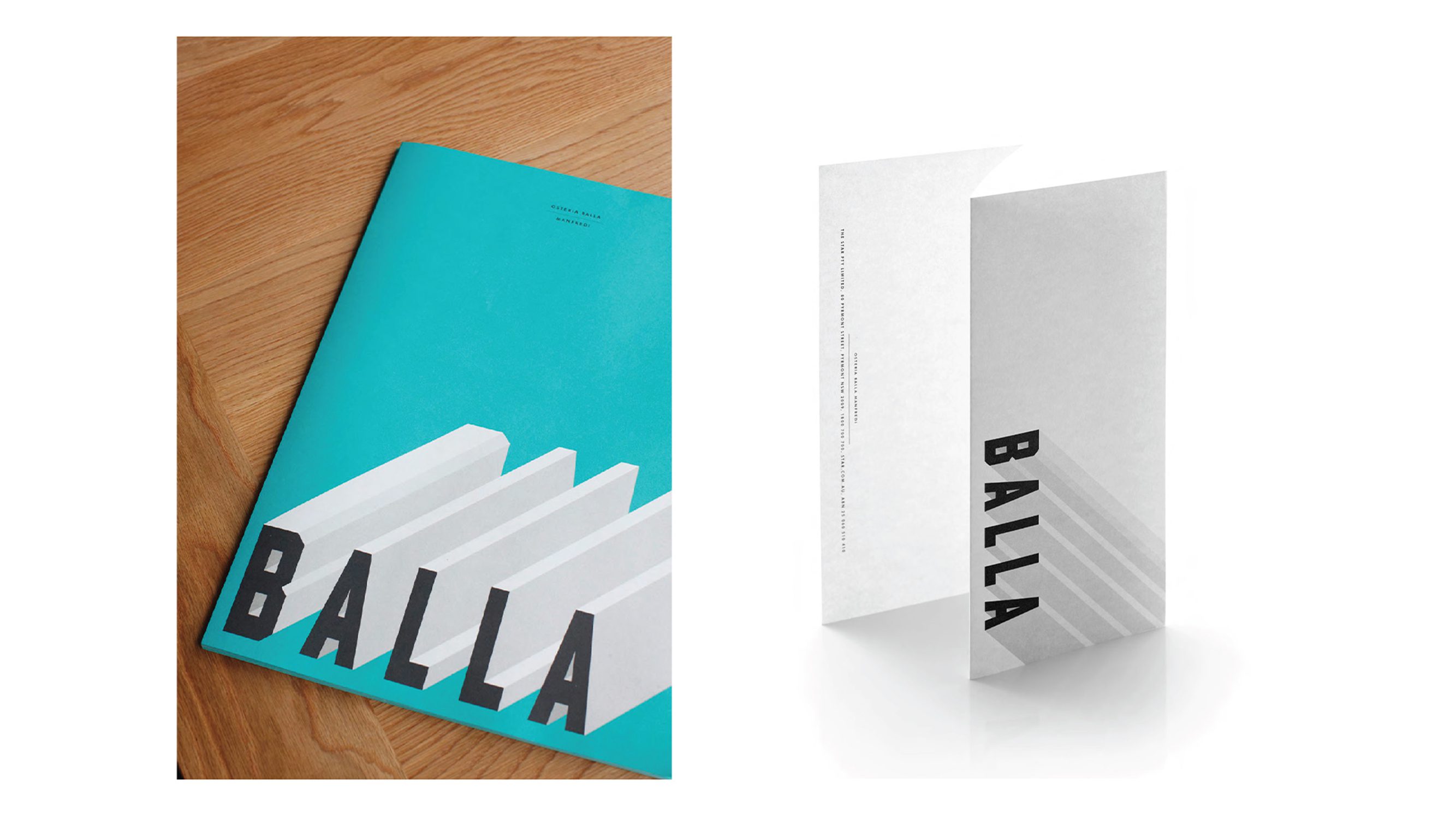
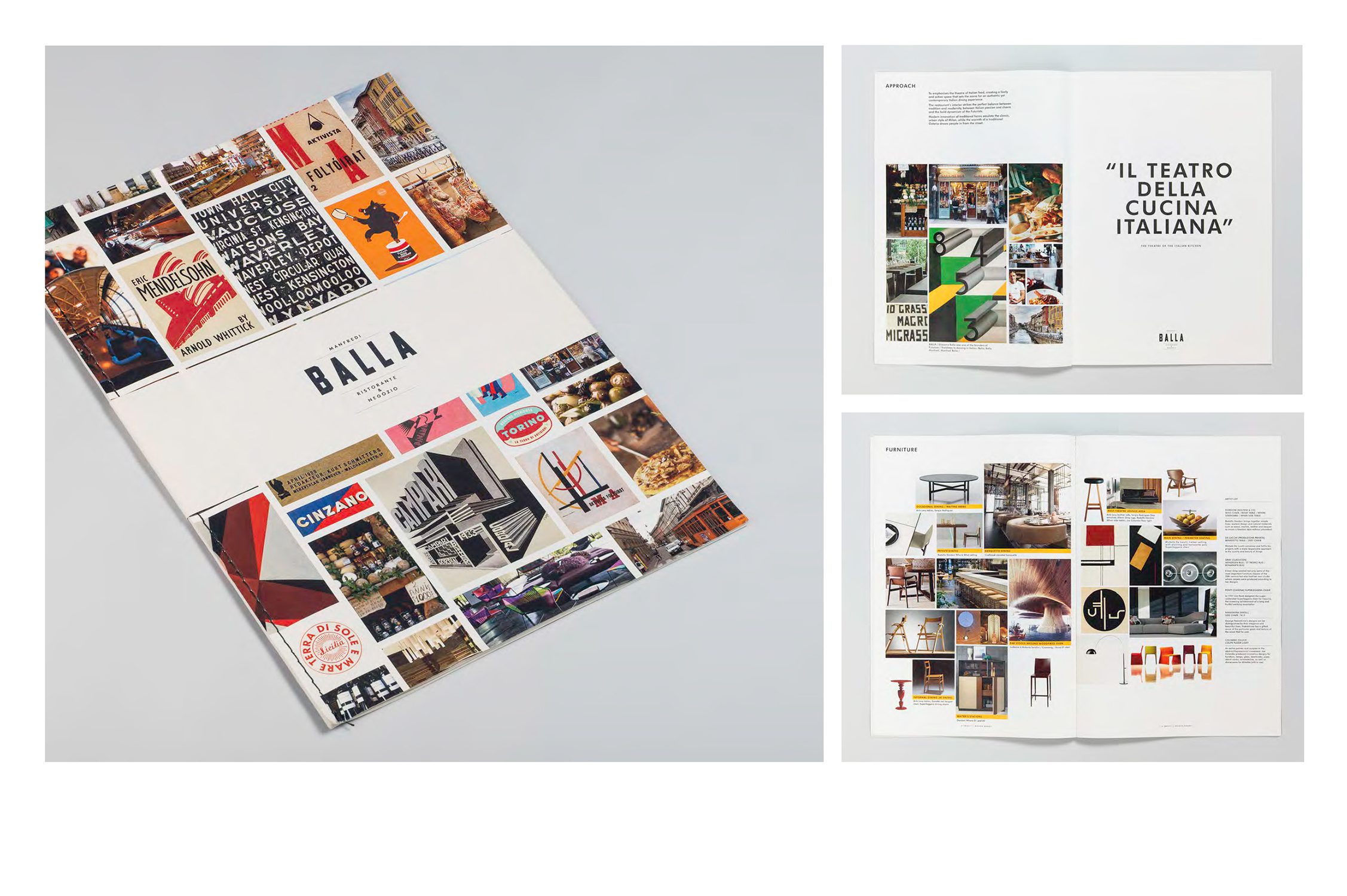
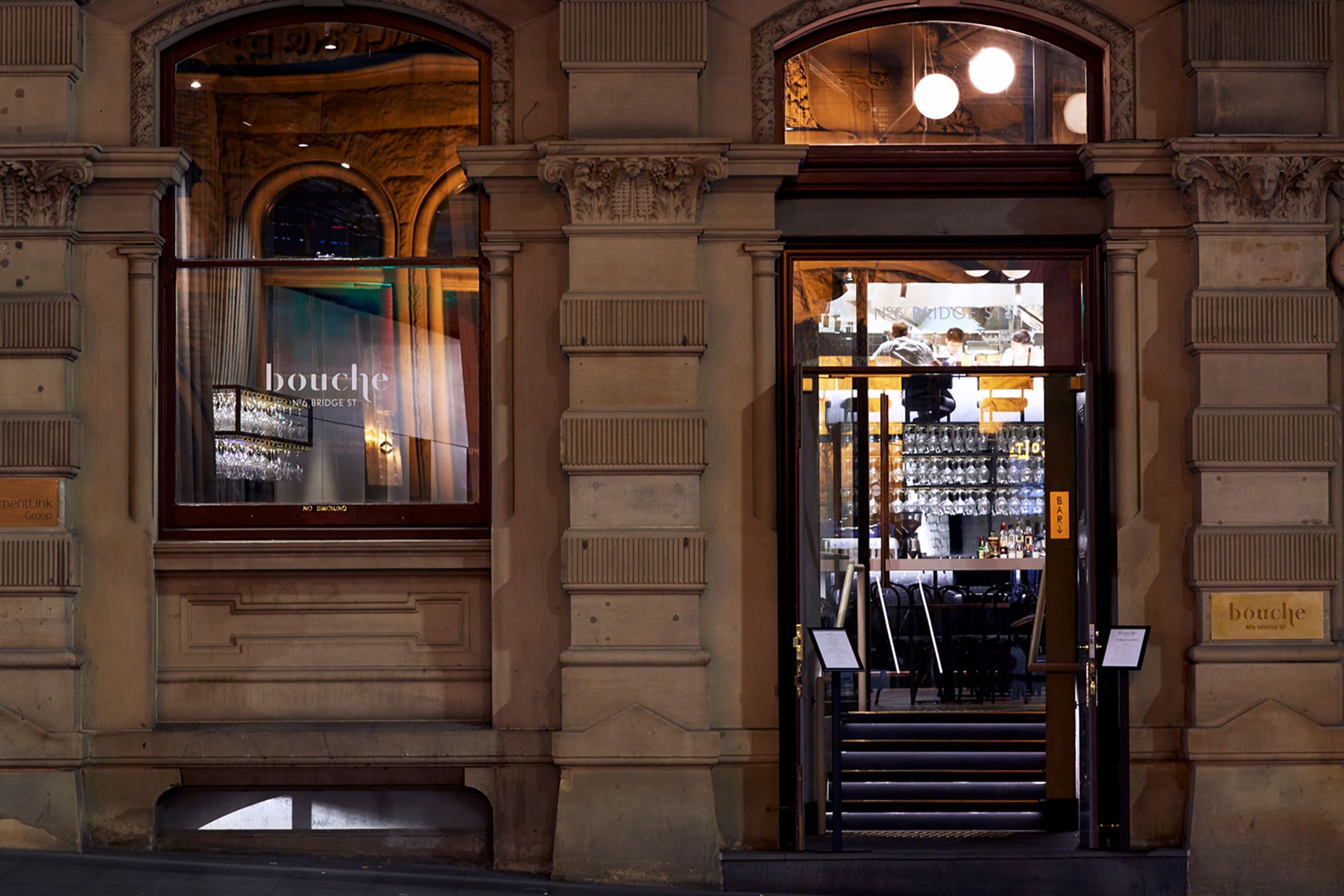
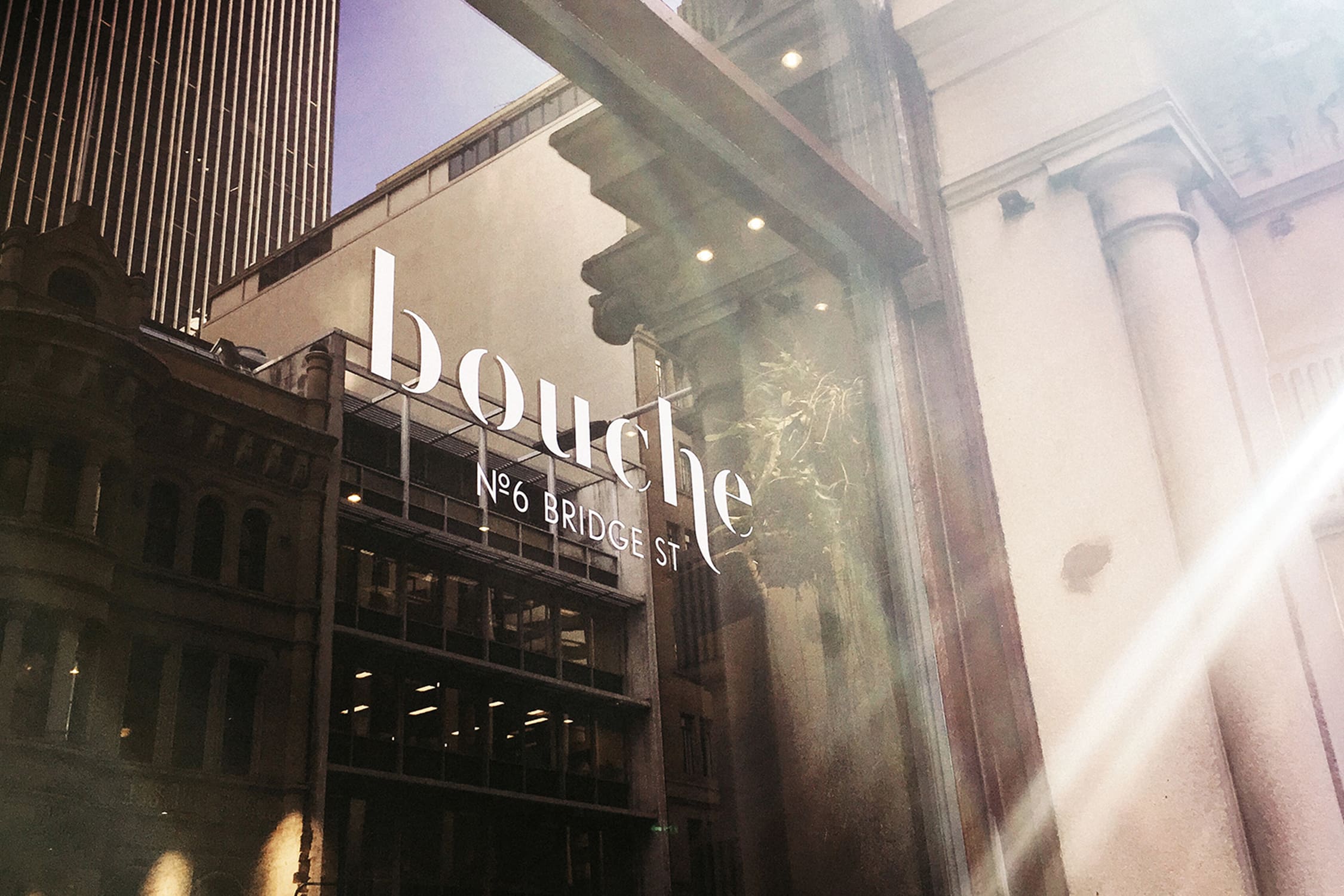
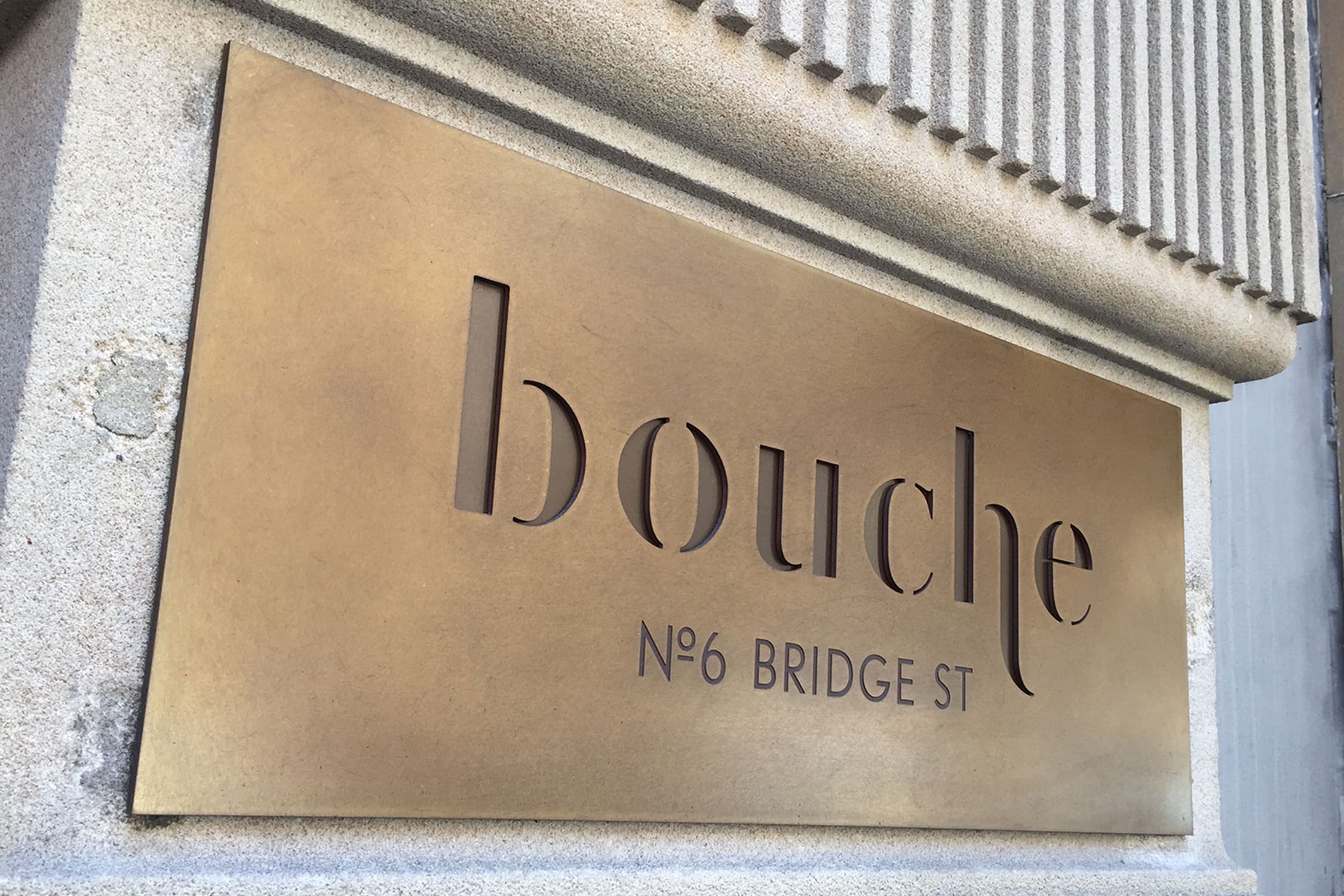
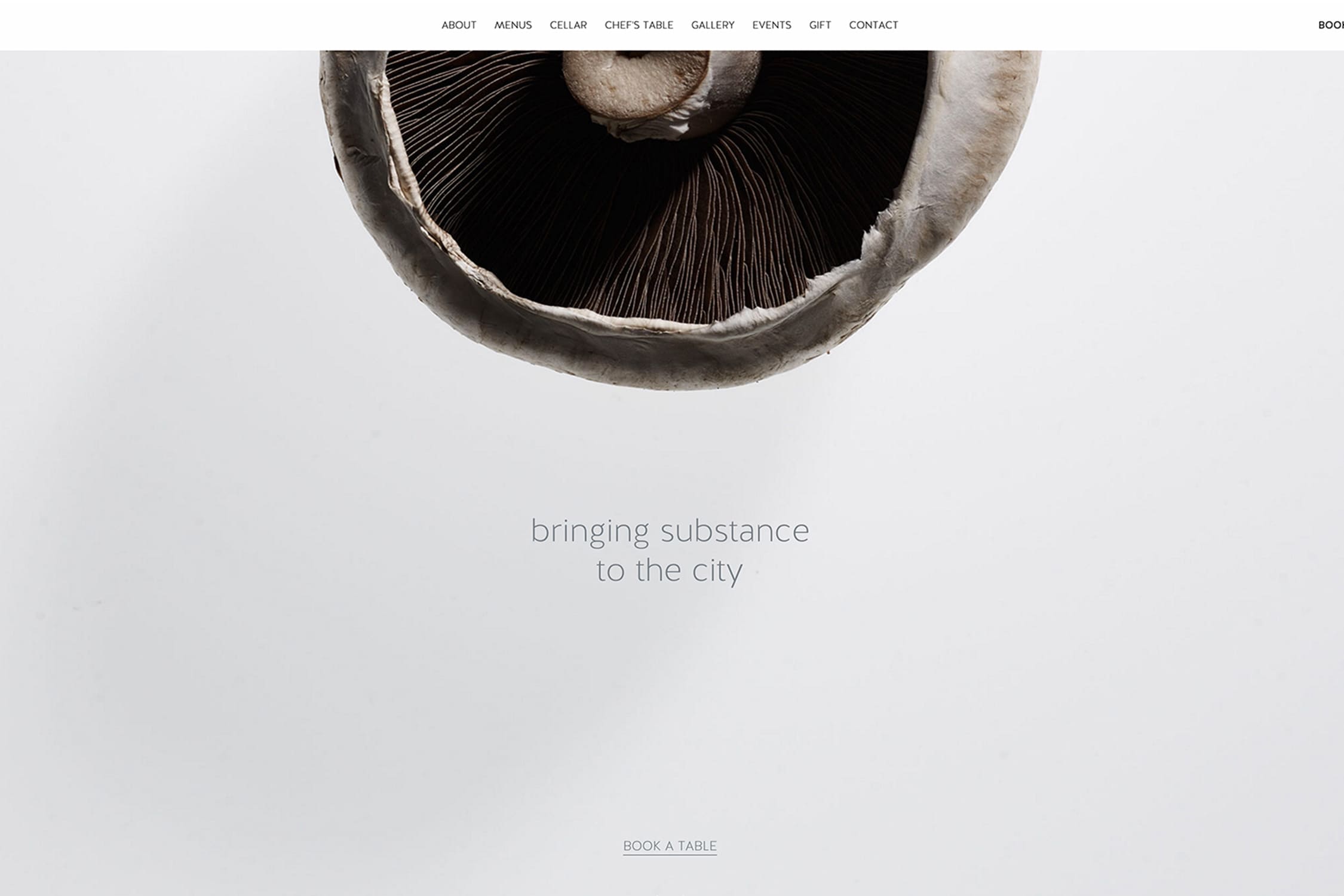
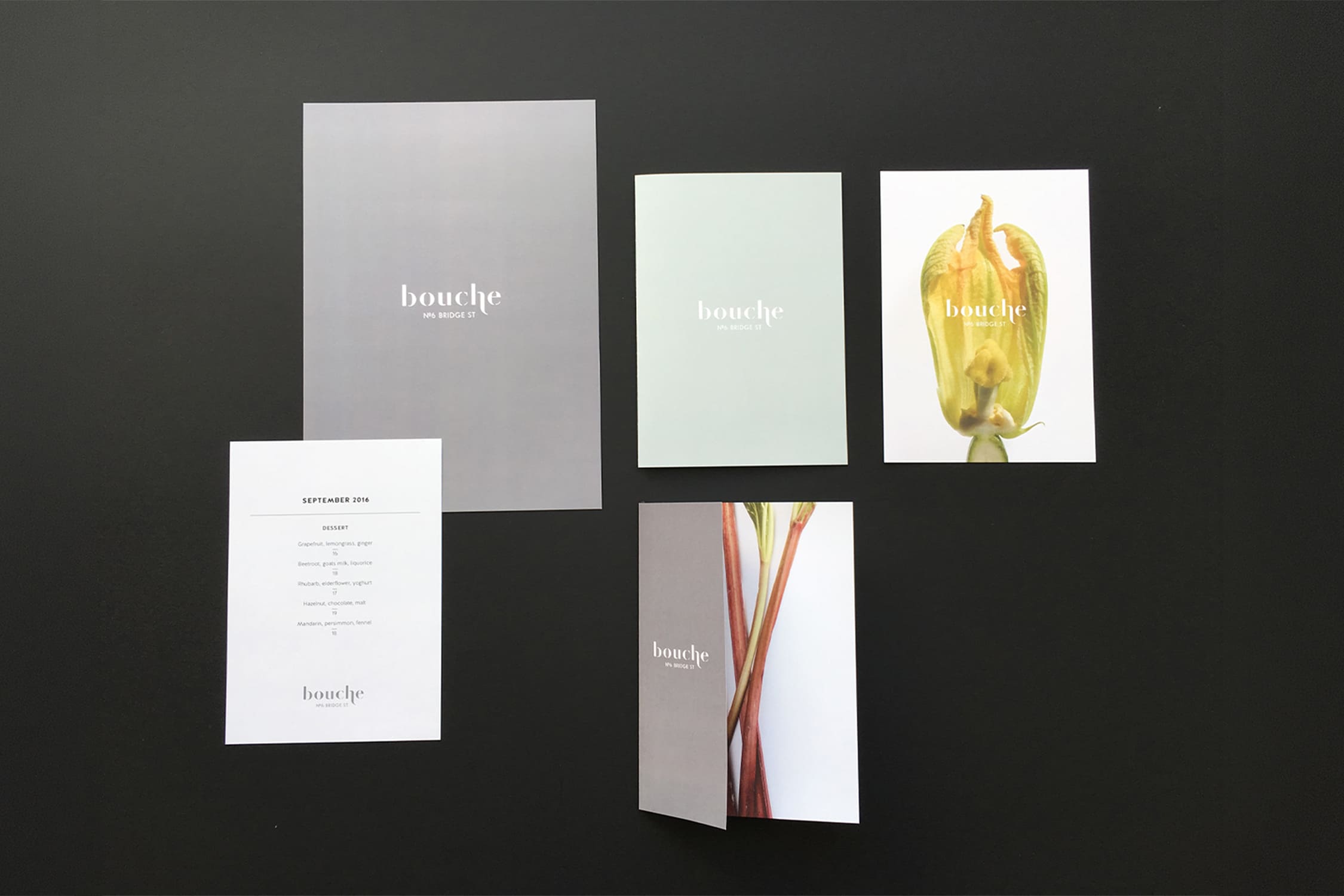
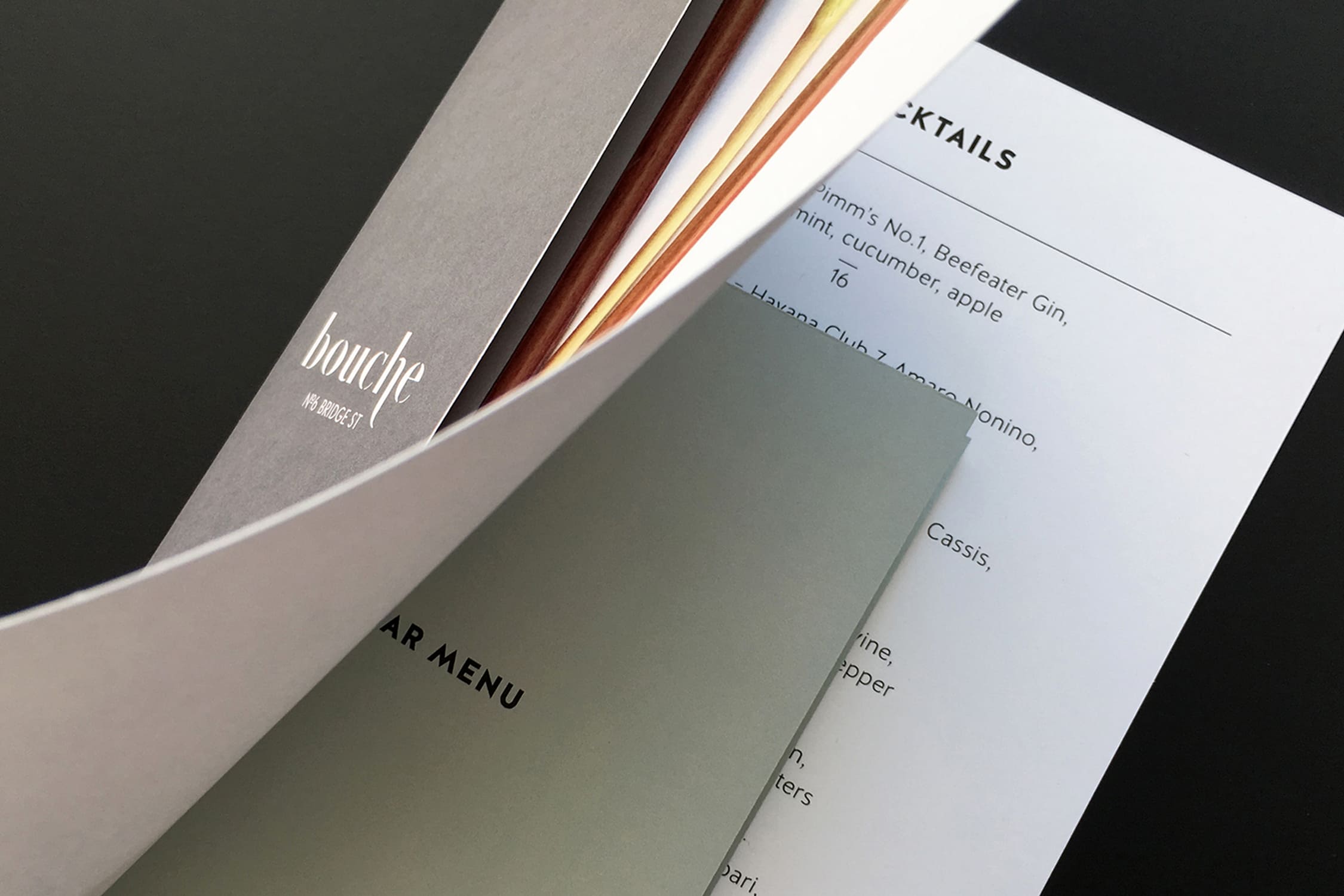
Projects such as Osteria Balla and Bouche on Bridge allowed us to explore how branding and environmental design can shape the identity of a venue beyond the logo itself.
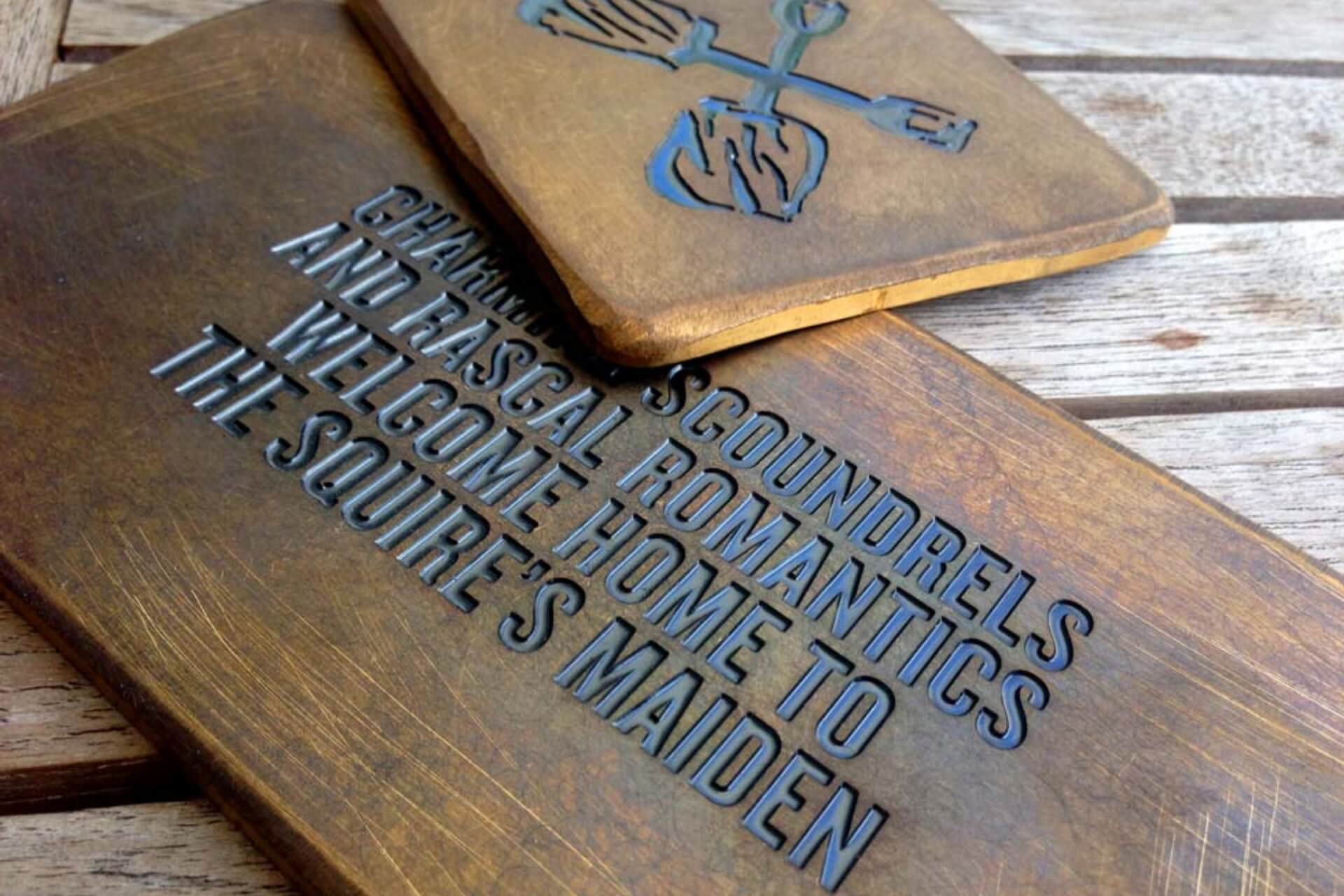
In hospitality, branding is experienced physically. It exists within menus, signage, materials, lighting, spatial graphics and guest interactions. A successful hospitality brand creates consistency across every touchpoint while still feeling authentic and human.
Our experience also extends into international hospitality environments and globally recognised hotel brands including The Ritz-Carlton Hong Kong, Kempinski Hotel and Four Seasons Hotel. Working across these premium hospitality experiences has strengthened our understanding of global guest expectations while reinforcing the importance of thoughtful, locally responsive design.
While hospitality standards are increasingly global, the venues people connect with most are the ones that still feel authentic to their location, culture and community. Guests want experiences that feel grounded in a genuine sense of place rather than interchangeable from city to city.

Global Experience with a Local Perspective
Hospitality has become increasingly global in both expectation and influence. Guests compare experiences across cities, countries and brands more than ever before. Design standards have evolved alongside this shift, with hospitality venues expected to deliver seamless experiences that feel sophisticated, intuitive and highly considered.
At Extrablack, our experience spans projects influenced by both international hospitality standards and local cultural context. We have worked alongside leading architects, developers, hospitality operators and interior designers to create environments that feel globally informed while remaining deeply connected to place.
We believe this balance is what creates the most authentic hospitality experiences.
A venue should never feel generic or disconnected from its surroundings. The strongest hospitality brands and environments are the ones that reflect the culture, character and energy of the communities they sit within.
This local understanding informs everything from material choices and storytelling through to signage tone, wayfinding strategy and guest experience design. It allows projects to feel grounded and authentic while still meeting the expectations of a sophisticated global audience.

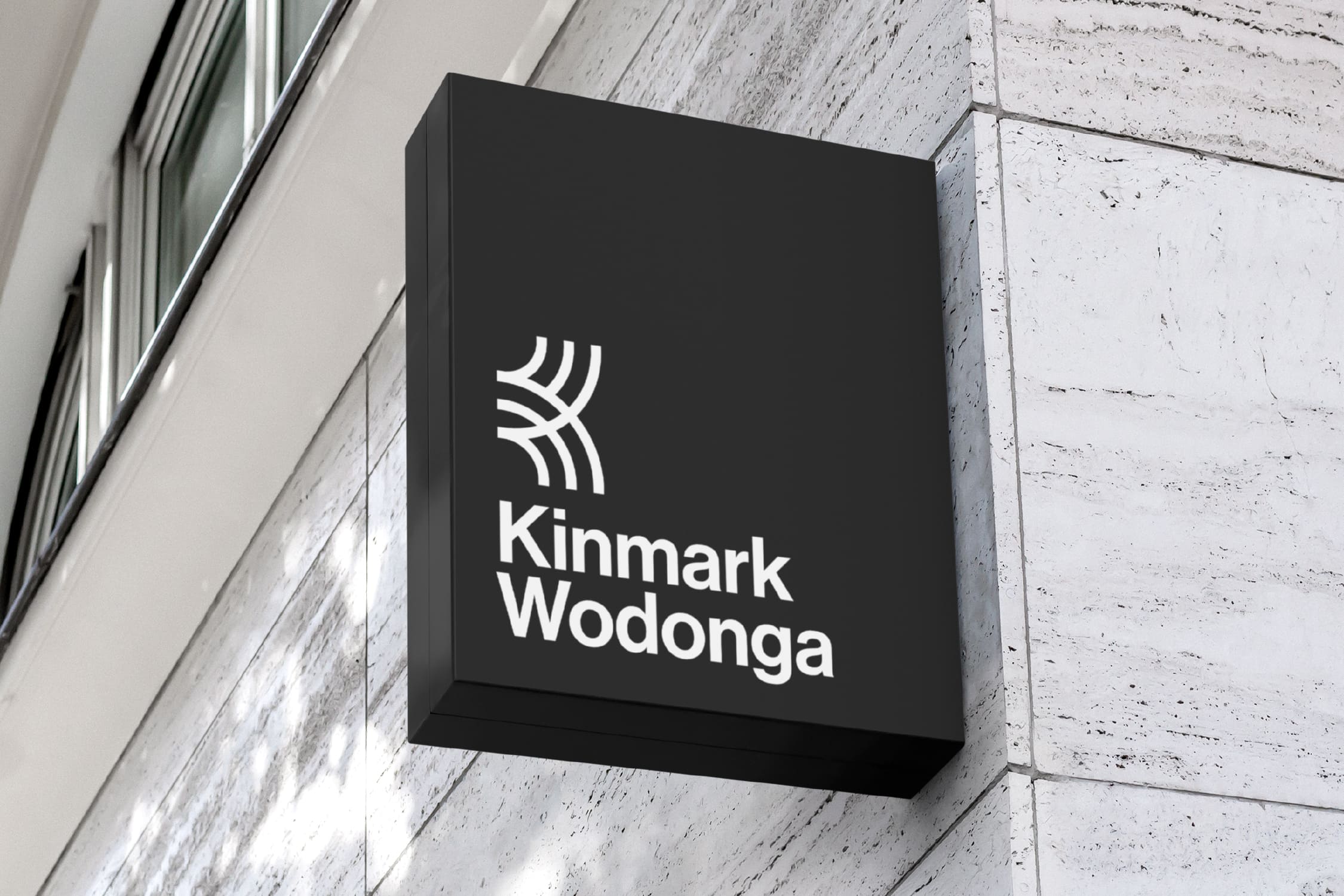
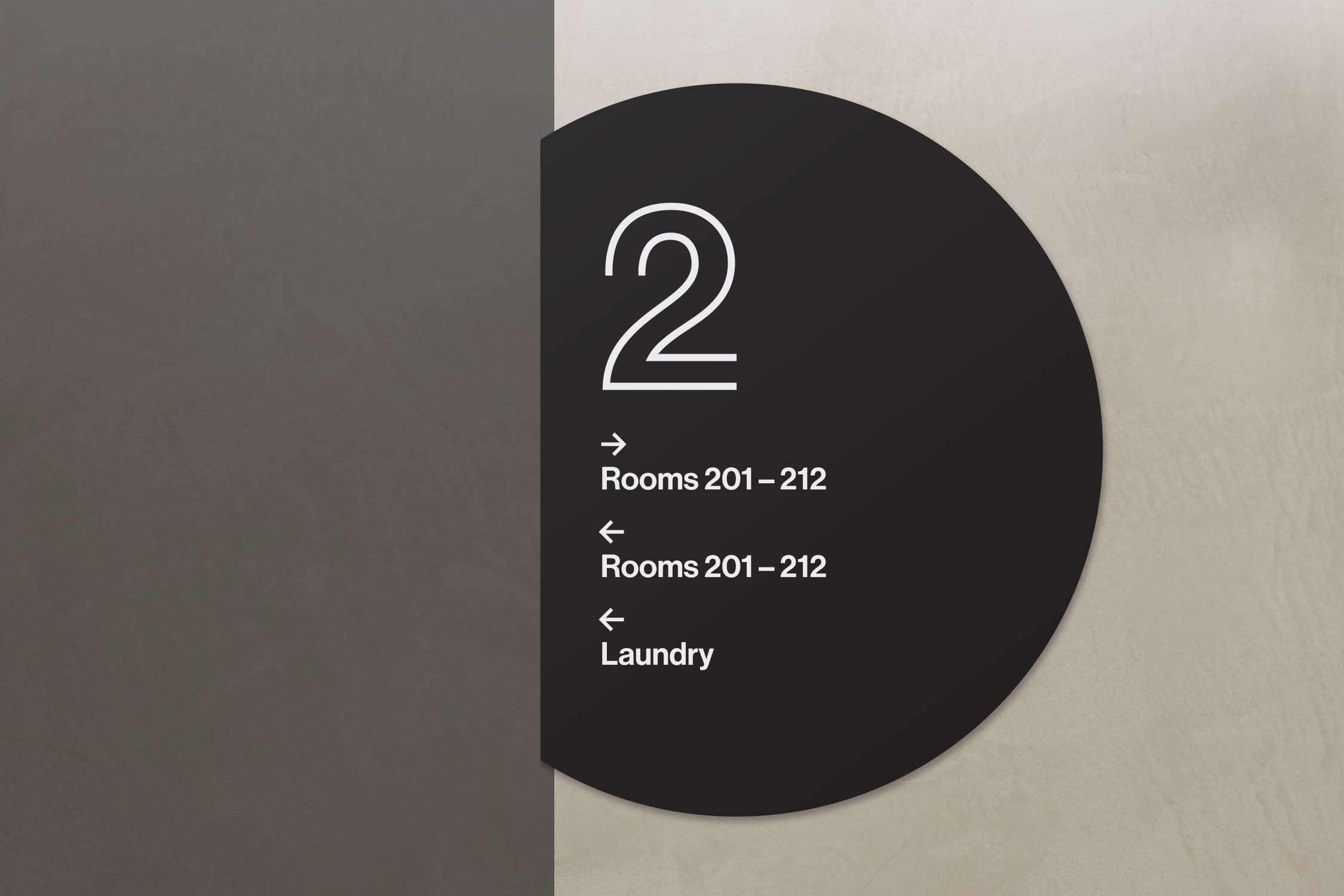
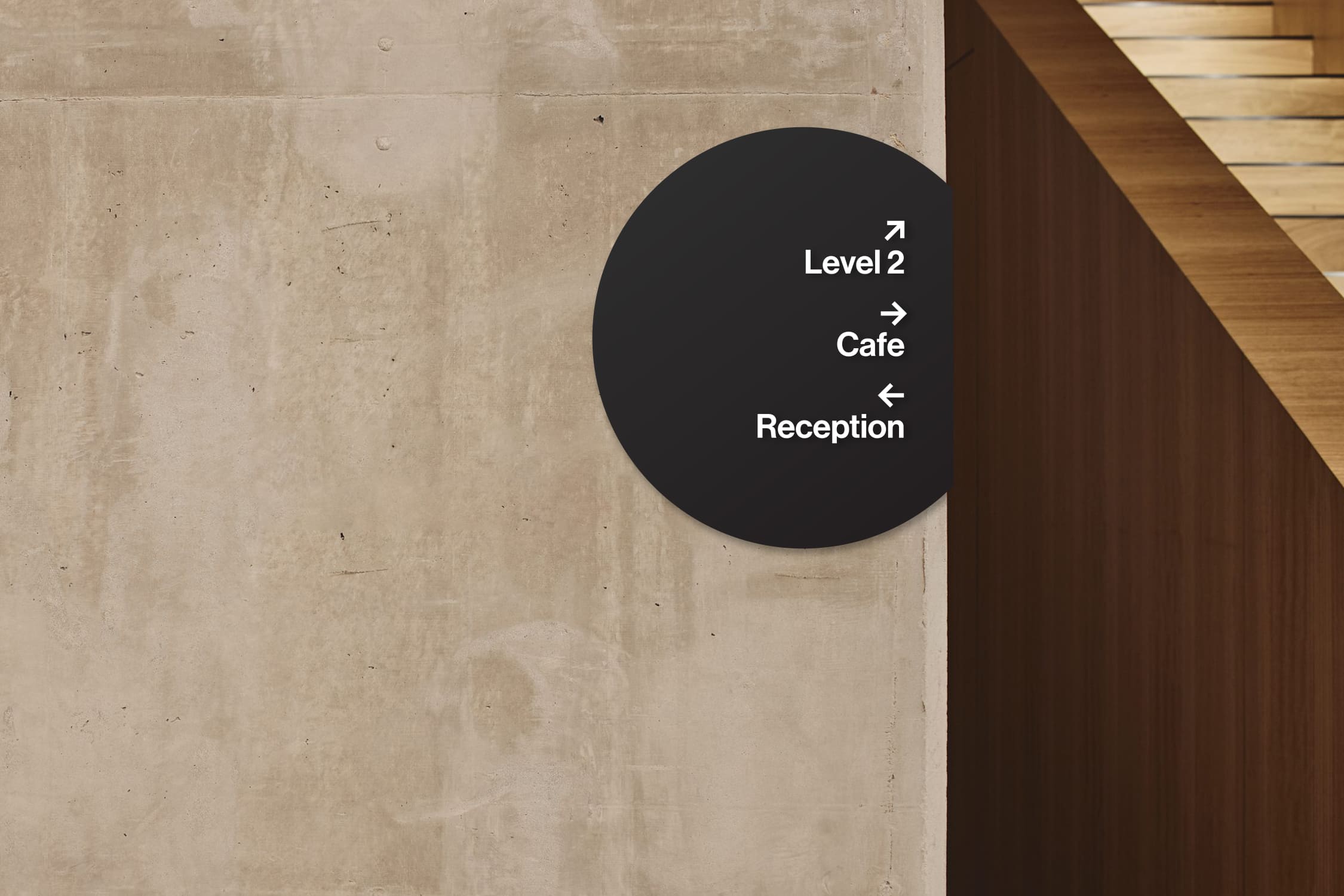
Hospitality Signage and Wayfinding as Experience Design
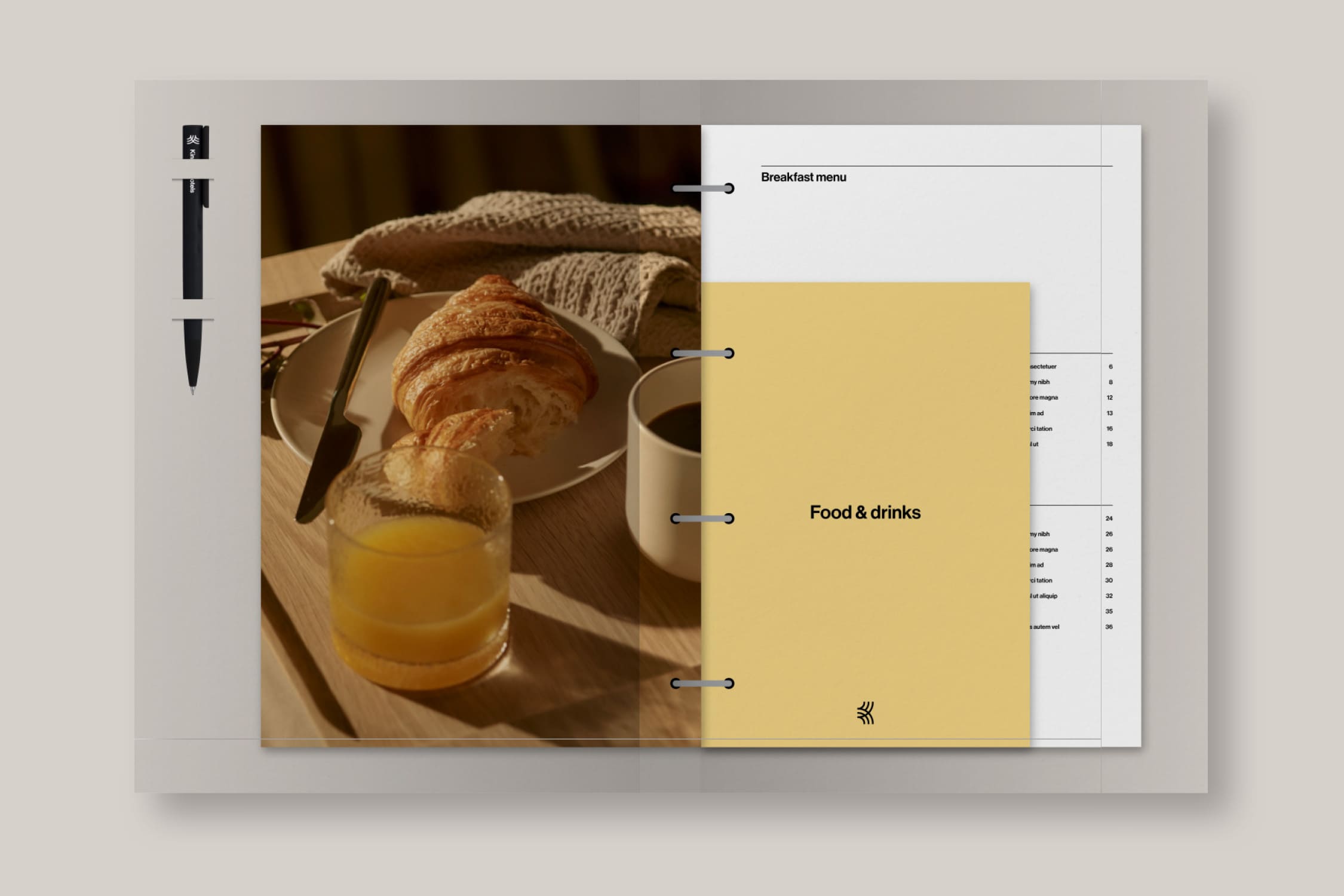
Traditionally, signage and wayfinding have often been viewed as purely functional requirements within hospitality projects. Increasingly, however, they are being recognised as essential parts of the overall brand and guest experience.
A well-designed hospitality wayfinding system does more than direct people from one place to another. It reduces friction, creates confidence and contributes to the emotional tone of a space. It helps guests feel comfortable, relaxed and oriented without requiring conscious effort.
This is particularly important in complex hospitality environments such as hotels, mixed-use precincts and large dining venues where multiple audiences and operational requirements intersect.
At Extrablack, our hospitality experience has taught us that the most successful systems are the ones that balance operational clarity with emotional subtlety. Guests should feel guided rather than instructed. Information should appear when needed and disappear when it is not.
Achieving this level of simplicity requires deep strategic thinking, careful coordination and close collaboration across architecture, interiors and operations.
Continuing to Shape the Hospitality Sector
As Extrablack’s experience within hospitality continues to grow, so too does our commitment to helping shape the future of hospitality design in Australia and beyond.
From luxury hotels and destination dining venues through to hospitality branding, signage and wayfinding systems, we continue to work with clients who understand the value of thoughtful, experience-led design.
What defines our approach is not a single visual style, but a way of thinking. We believe the best hospitality environments are the ones that feel instinctive, emotionally connected and deeply human. They should create atmosphere without unnecessary complexity and deliver clarity without visual noise.
Most importantly, they should leave people with a lasting impression of the experience itself rather than the mechanics behind it.
As the hospitality sector evolves, the role of integrated branding, signage and wayfinding will only become more important. Guests increasingly expect environments that feel seamless, memorable and emotionally engaging from the very first interaction.
At Extrablack, we are proud to be carving out a strong presence within this space through globally informed thinking, local understanding and a passion for creating hospitality experiences that feel genuinely considered from beginning to end.
Articles
07.05.2026
Shaping the Next Generation of Australian Places
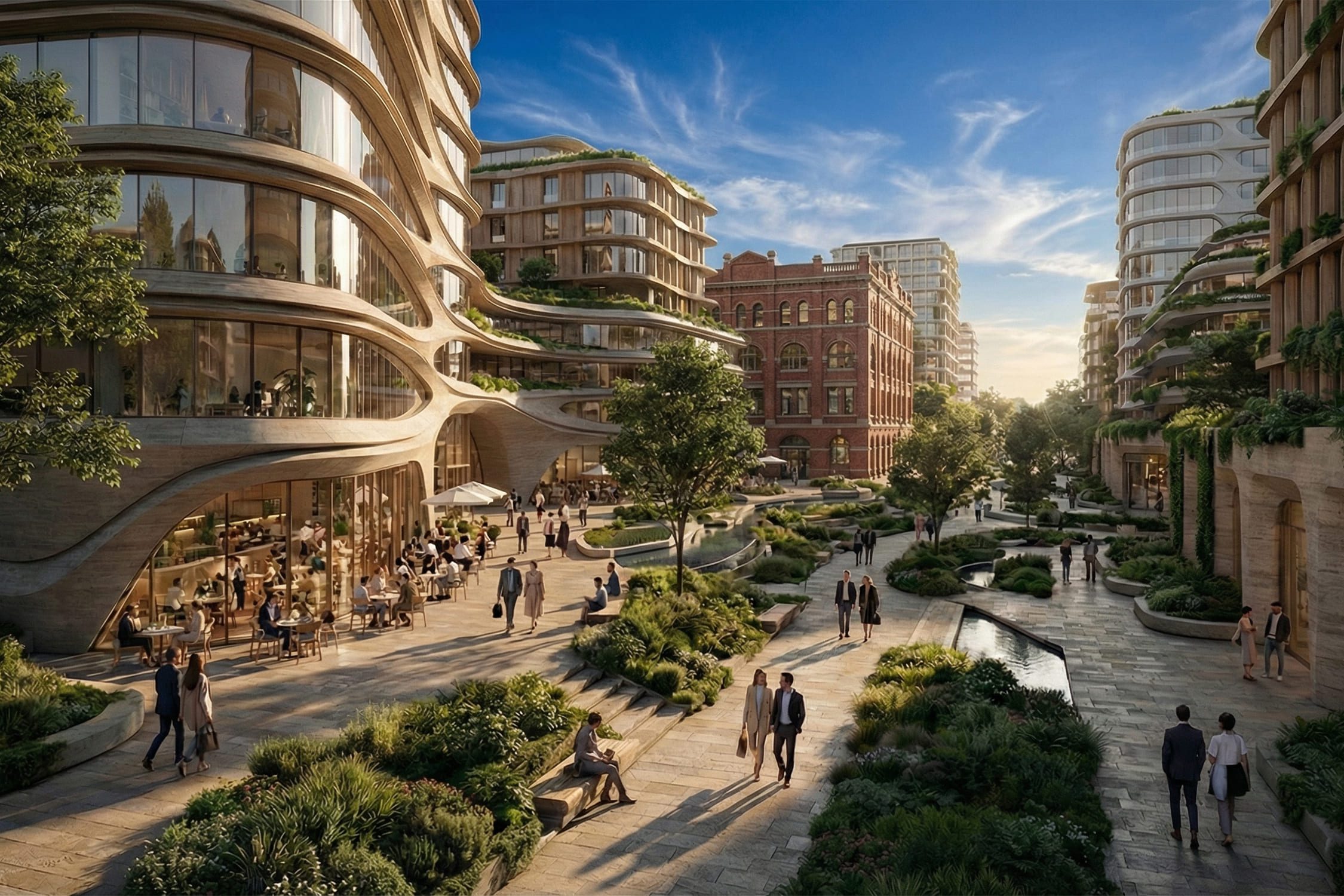
Australia’s cities are entering a more complex phase of growth. From emerging metro corridors to established urban villages, successful developments increasingly rely on strategic placemaking, clear identity and people-focused design to create places that endure socially, commercially and culturally.


Contact
To get in touch...